
A Taste of the Land
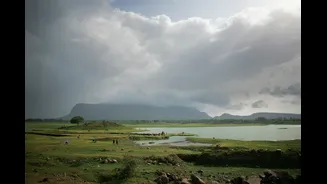
Long before wheat and rice dominated Indian fields, millets were the subcontinent's staple. These hardy grains are not just food; they are a direct reflection of a region's agro-climatic reality. In the arid landscapes of Rajasthan and Gujarat, pearl
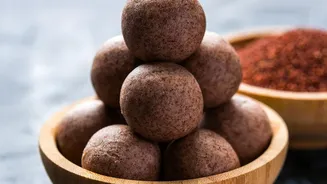
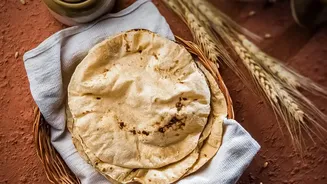
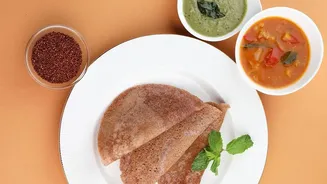
millet (bajra) became a cornerstone of the diet because it could thrive with minimal water. This resilience is why dishes like Bajra Roti or Sogra are not just meals but symbols of survival and adaptation in a dry climate. Similarly, in the rain-fed areas of the Deccan Plateau, particularly Karnataka, finger millet (ragi) flourished. This led to the creation of iconic dishes like Ragi Mudde, a food that provided sustained energy for farming communities. By looking at which millet is prevalent in a region's traditional diet, you can understand the historical environmental conditions that shaped its people's lives.
Culinary Time Capsules
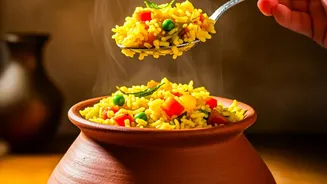
Traditional millet recipes are culinary time capsules, preserving techniques and dietary habits from centuries past. Evidence of millet cultivation dates back to the Indus Valley Civilization. Before the Green Revolution in the 1960s, which prioritized high-yield wheat and rice, millets constituted up to 40% of India's grain production. Recipes passed down through generations hold the memory of this era. Dishes like Bajra Khichdi from Rajasthan or Jowar Bhakri from Maharashtra are prepared using methods that pre-date modern kitchen appliances. They often involve slow cooking, fermenting, or hand-pounding, techniques that speak to a different pace of life. Eating these dishes connects us to our ancestors and allows us to taste a version of India that existed long before the widespread commercialization of food.
A Journey from North to South
The diversity of millet recipes across India is a testament to the country's vast regional differences. In the north, particularly Rajasthan, you'll find warming, rustic dishes. Bajra Sogra, a thick flatbread, is often enjoyed with a generous dollop of ghee and spicy curries like laal maas or simpler accompaniments like jaggery. Another classic is Raabdi, a fermented porridge made from bajra flour and yogurt, perfect for the region's climate. Travel south to Karnataka, and the star is Ragi Mudde. These soft, pliable balls of finger millet flour are traditionally swallowed, not chewed, with flavorful accompaniments like Uppsaru (a thin lentil and greens broth) or Nati Koli Saaru (a country-style chicken curry). In Tamil Nadu and Andhra Pradesh, foxtail millet (kangni or tinai) appears in dishes like upma and pulao, showcasing a different texture and flavour profile. Each dish is a unique expression of its local culture.
More Than Just Sustenance
In many communities, millets are deeply woven into the cultural and spiritual fabric. They are not just for daily meals but are also integral to festivals and rituals. In Karnataka, Ragi Mudde is offered to deities during harvest festivals like Sankranti, symbolizing gratitude for the earth's bounty. These grains are mentioned in ancient texts like the Yajurveda and were part of royal diets, with Ragi Mudde documented as a dish fit for kings in old Kannada literature. In some parts of Northeast India, millet is used to prepare traditional beverages that are central to ceremonies and celebrations. This cultural significance elevates millet dishes from mere sustenance to powerful symbols of identity, heritage, and community connection.