




The Myth of the Plant Mansion
It seems logical: give a plant a bigger home and it will grow to fill it. We imagine its roots stretching out, happy and free. This leads many well-intentioned gardeners to move a small plant from a modest pot into a veritable mansion. This practice,
known as 'overpotting', is one of the most common mistakes in plant care. The core of the problem lies in the delicate balance between the root system and the volume of soil around it. A small plant has a small root system, which can only absorb a certain amount of water at a time. When you place it in an oversized pot, you create a vast reservoir of soil that the roots can't yet reach, setting the stage for a soggy disaster.
A Waterlogged Nightmare
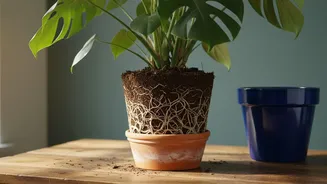
When you water a plant in a pot that is too large, the huge volume of excess soil becomes saturated. Since there are no roots to draw that moisture out, the soil stays wet for days, or even weeks. This constant dampness eliminates the air pockets in the soil that roots need to breathe. Essentially, the roots begin to suffocate. This anaerobic (oxygen-free) environment is the perfect breeding ground for fungi and bacteria that cause root rot. The plant's roots, instead of growing into the new space, start to decay in the stagnant, waterlogged soil.
Recognising the Signs of Root Rot
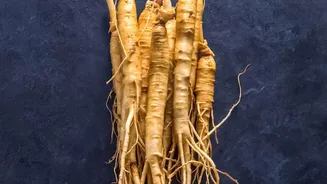
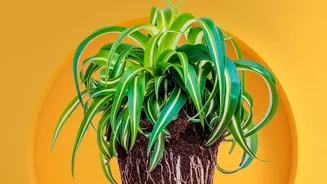
Root rot can be deceptive because its initial symptoms often mimic those of an under-watered plant. You might see yellowing leaves (especially lower ones), wilting, and stunted growth. This is because the decaying roots can no longer effectively absorb water and nutrients to send to the rest of the plant. A key difference is that the soil will be consistently moist or even wet to the touch. If you suspect root rot, you must investigate at the source. Gently remove the plant from its pot and examine the roots. Healthy roots are typically firm and white or light-coloured. Rotten roots will be brown or black, feel soft and mushy, and may have a foul, swampy odour.
The Goldilocks Rule: Choosing the Right Pot
So, how do you get it just right? The cardinal rule of repotting is to go up in size gradually. A new pot should only be about 1 to 2 inches (roughly 2 to 5 cm) larger in diameter than the previous one. For very large, fast-growing plants, a 3 to 4-inch jump might be acceptable. This ensures that the new layer of soil is slim enough for the roots to colonize it relatively quickly, before the soil has a chance to become waterlogged. This incremental approach maintains a healthy root-to-soil ratio, allowing the soil to dry out properly between waterings. Always ensure the new pot has drainage holes.
How to Rescue an Overpotted Plant
If you realise you've made this mistake, don't despair. Act quickly to save your plant. Carefully remove it from the oversized pot. Gently shake off the excess, soggy soil and inspect the roots. Using clean scissors or shears, trim away any roots that are brown, black, or mushy. Healthy roots need to be preserved. Let the trimmed root ball air out for a few hours to dry slightly. Then, repot the plant into a new, appropriately sized container with fresh, well-draining potting mix. After repotting, water sparingly at first. Give the plant a few days to recover from the shock before resuming a normal watering schedule.