




From Pantry Staple to Bar Cart Star
The biggest and most surprising new role for vinegar is in our glasses. Say hello to drinking vinegars, also known as shrubs. This isn't a new invention; shrubs have a long history dating back to colonial times as a way to preserve fruit in vinegar and sugar.
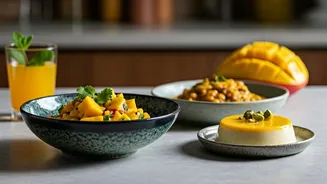
The resulting syrup, once diluted, creates a refreshingly tart and complex beverage. Today, bartenders and home mixologists are rediscovering this concept, creating vibrant concoctions. Imagine a mango mojito mocktail using mango-infused white balsamic, or a grapefruit and juniper shrub topped with sparkling water for a sophisticated, non-alcoholic option. These drinks offer a grown-up complexity that sugary sodas lack, balancing sweet, sour, and fruity notes in a single sip.
The Secret Weapon for Flavour
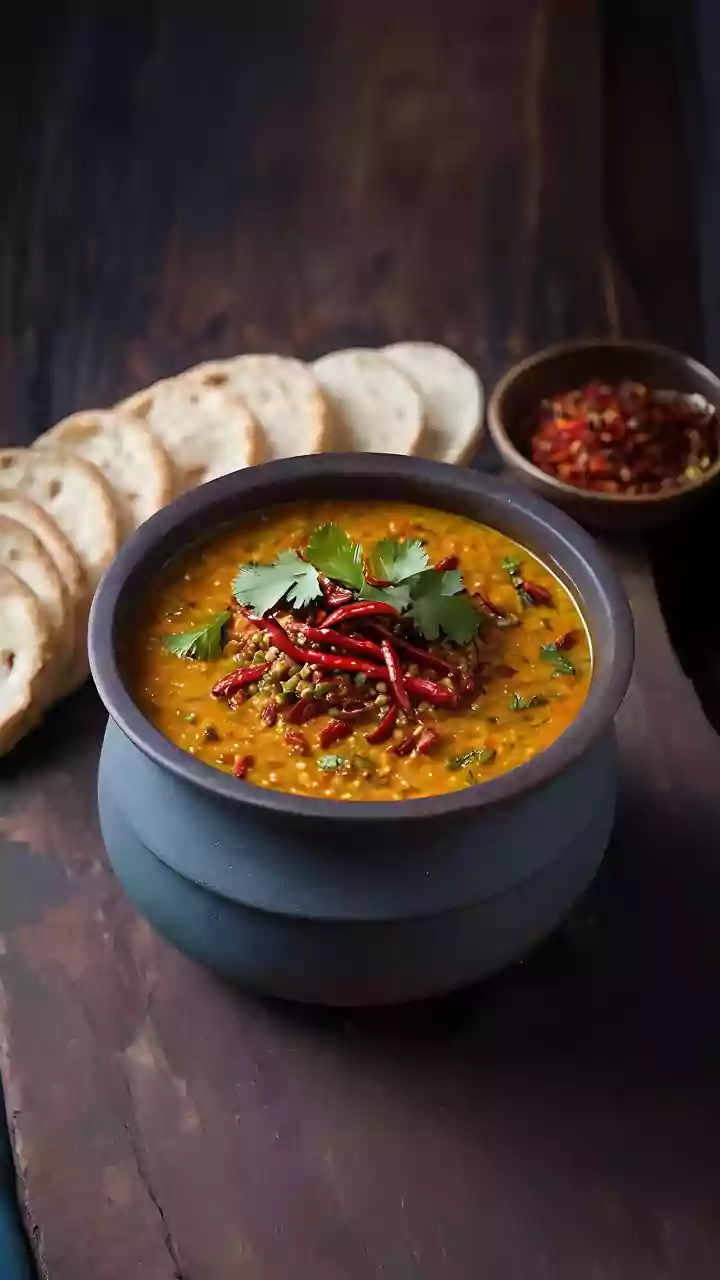
Beyond drinks, vinegar is becoming a chef's secret weapon for adding depth and balance to everyday cooking. Its power lies in its ability to enhance other flavours. A splash of red wine vinegar can brighten a rich, slow-cooked meat dish, cutting through the fat and preventing it from tasting too heavy. When you sear meat or vegetables, a process called deglazing—using vinegar to lift the flavourful browned bits stuck to the pan—can create an instant, restaurant-quality sauce. Different vinegars bring different personalities. A nutty sherry vinegar is perfect for roasted vegetables or lentil soups, while a delicate rice vinegar works beautifully in Asian-inspired stir-fries and dipping sauces. The idea is to use vinegar not just for a sour taste, but as a tool to make all the other flavours in the dish shine more brightly.
A Surprising Twist in Desserts
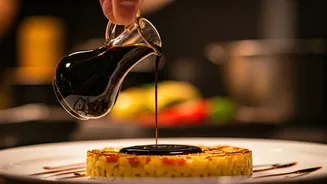
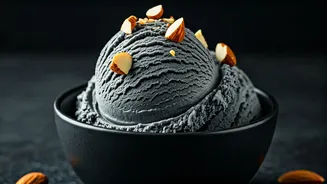
Perhaps the most adventurous new frontier for vinegar is the world of sweets. It might sound strange, but the logic is sound. A drizzle of high-quality, aged balsamic vinegar over fresh strawberries or even a scoop of vanilla ice cream adds a tangy depth that beautifully contrasts with the sweetness. In baking, vinegar plays a more scientific role. Its acidity reacts with baking soda to create a light, airy texture in cakes and muffins, which is especially useful in eggless baking. Apple cider vinegar is a popular choice for this, as its fruity notes are mild and blend seamlessly into batters. Some pastry chefs are even using vinegar to make honeycomb candy, create tangy caramel sauces, or stabilize meringues for pavlovas.
How to Start Your Vinegar Adventure
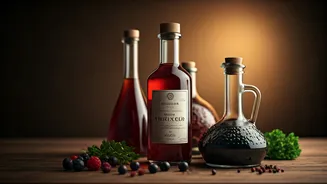
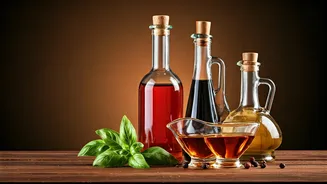
Getting started is simpler than you think. You don't need a dozen exotic bottles. Begin with three good-quality basics. First, a reliable apple cider vinegar, which is versatile enough for dressings, marinades, and even baking. Second, a good red or white wine vinegar for making classic vinaigrettes and deglazing pans. Finally, consider a small bottle of decent balsamic vinegar for finishing dishes; a few drops can elevate a simple plate of roasted vegetables or a bowl of fruit. As you get more comfortable, you might explore specialty vinegars like those infused with fruits or herbs, such as raspberry or tarragon, which offer complex, punchy flavours perfect for creative cooking. The key is to taste your vinegar on its own to understand its profile, then start experimenting with small splashes to see how it transforms your food.