



Understanding Karkidakam: A Month of Renewal
Karkidakam is the twelfth and final month in the traditional Malayalam calendar, typically falling from mid-July to mid-August. For 2026, the period runs from July 17 to August 16. Historically known as a challenging time due to incessant rains that hampered
work and daily life, it was often called 'Panja Masam' or the month of scarcity. However, this forced introspection also turned Karkidakam into a period for spiritual and physical renewal. It is also called 'Ramayana Masam,' as families traditionally read the epic Ramayana daily to build resilience and find spiritual solace. In a modern context, it's viewed as the perfect time for self-care, with Ayurveda recommending this season for restorative treatments.
The Tradition of Karkidaka Kanji
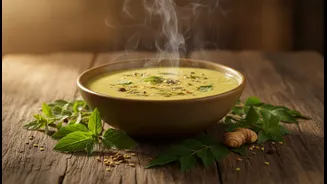
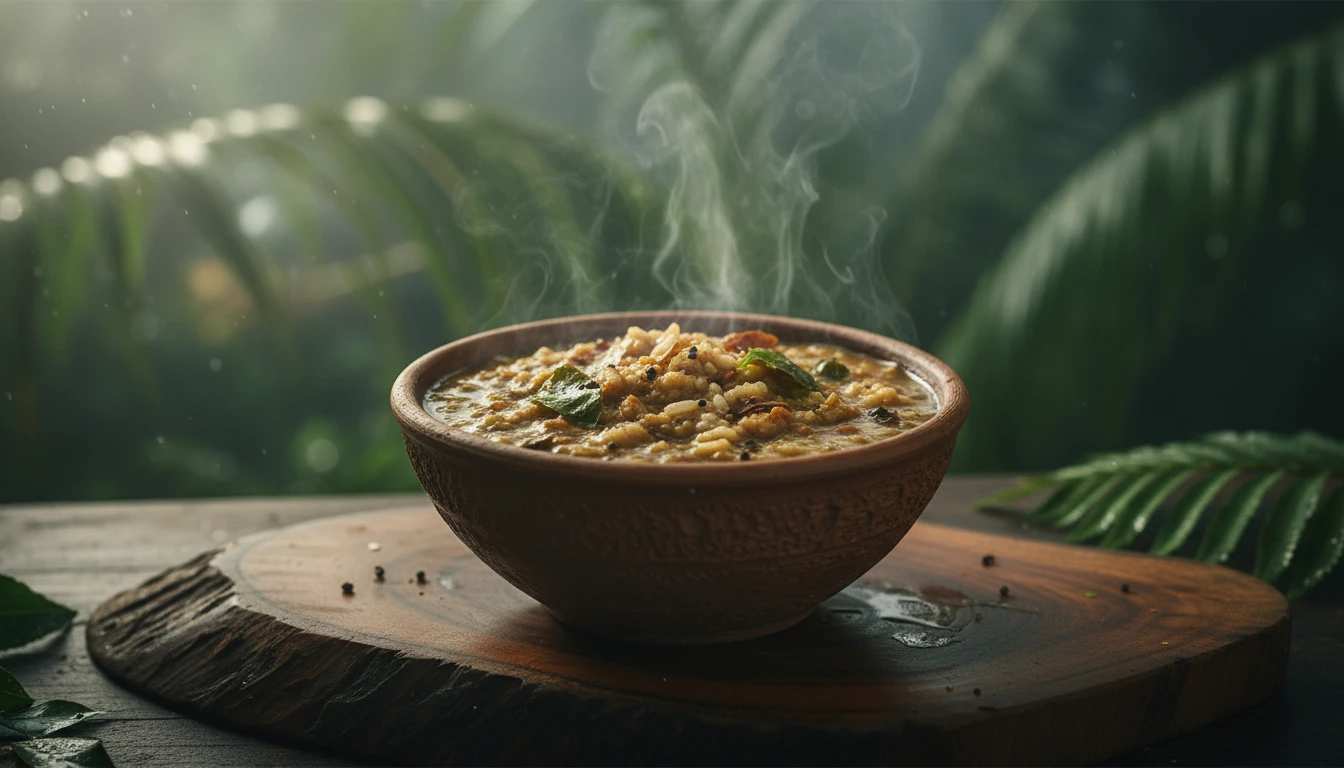
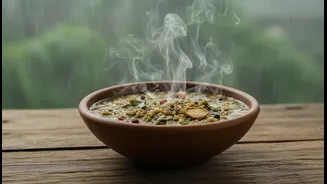
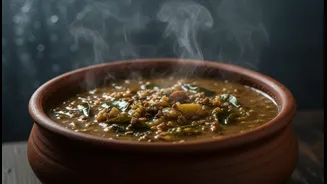
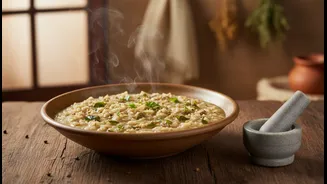
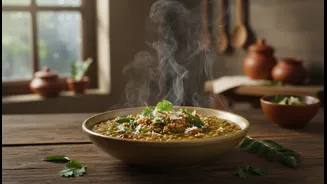
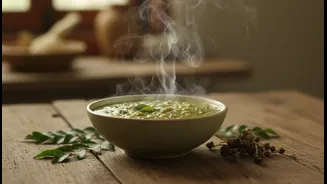
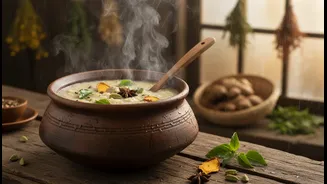
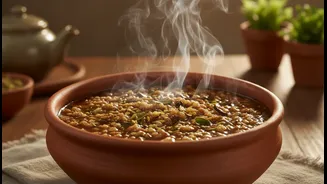
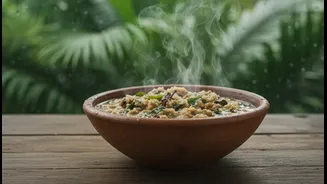
At the heart of Karkidakam's wellness rituals is Karkidaka Kanji, also known as Oushadha Kanji, which literally means 'medicinal porridge'. This is not just a simple soup; it's a carefully formulated meal rooted in Ayurvedic principles. The fundamental idea is that during the monsoon, the body's digestive fire, or 'Agni', is weakened, and immunity is low. This makes the body susceptible to ailments. The kanji, a warm, easily digestible, and herb-infused rice gruel, is specifically designed to rekindle digestion, boost immunity, and help the body eliminate toxins. It’s a practice of using food as medicine, a core concept in Ayurveda.
The Wisdom in the Ingredients
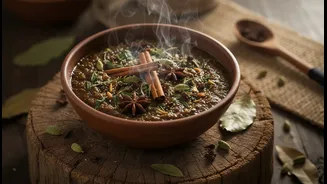
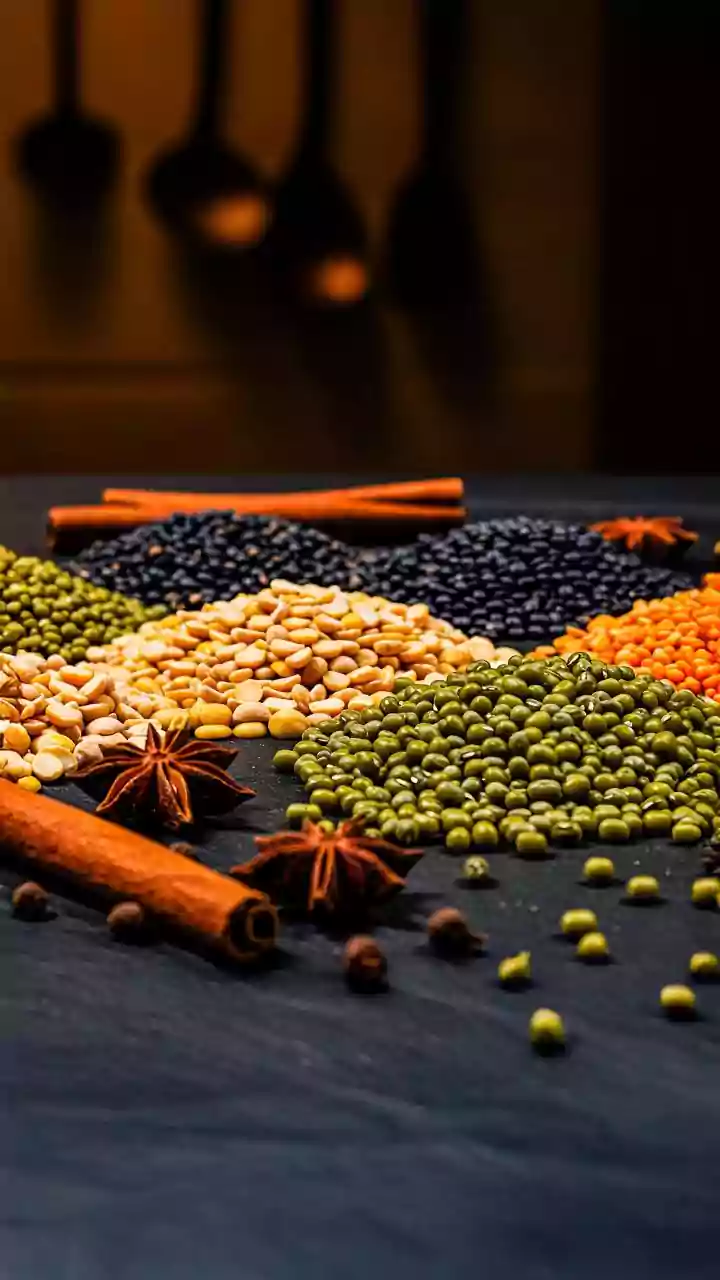
The magic of Karkidaka Kanji lies in its synergistic blend of ingredients. While recipes vary from household to household, a few core components are essential. The base is almost always a special medicinal rice from Kerala, like Njavara, which is unpolished, easy to digest, and has restorative properties. This is cooked with warming spices that stimulate digestion, such as fenugreek (uluva), cumin (jeerakam), dry ginger (chukku), and black pepper. Coconut milk is added for nourishment and flavour, while jaggery provides a touch of sweetness. Many also use a pre-prepared herbal mix called a 'Karkidaka Marunnu' kit, which can contain a blend of ten potent roots (Dashamoola) and other herbs.
A Simple Recipe for Your Kitchen
While authentic recipes can be complex, here is a simplified version for the home cook. You will need: 1/2 cup of Navara or Kerala red rice, 1 teaspoon each of fenugreek seeds, cumin seeds, and dry ginger powder, a pinch of turmeric, 1/2 teaspoon of crushed pepper, 1 cup of thin coconut milk, 1/2 cup of thick coconut milk, jaggery to taste, and a teaspoon of ghee. Begin by washing the rice and pressure cooking it with fenugreek seeds and about four cups of water until soft—usually for 4-5 whistles. Once cooked, transfer it to an open pot. Add the spice powders (cumin, ginger, turmeric, pepper) and the thin coconut milk. Let it simmer and cook for another 10 minutes. Add the jaggery and stir until it dissolves. Finally, just before turning off the heat, stir in the thick coconut milk. Drizzle with ghee and serve warm, traditionally as an evening meal.
Tips for Consumption and Sourcing
For the best benefits, Karkidaka Kanji is traditionally consumed for a continuous period, often in multiples of seven days—such as for one, two, or three weeks. It is meant to be a light meal, replacing either dinner or breakfast. During this period, it's advised to avoid heavy, fried, or cold foods to support your digestive system. Many Ayurvedic brands and local stores in Kerala now sell 'Karkidaka Kanji kits' which contain the specific rice and a packet of the powdered herbs and spices, making it accessible even for beginners. These kits take the guesswork out of sourcing rare ingredients.