






The Front is for Show, The Back is for Dough
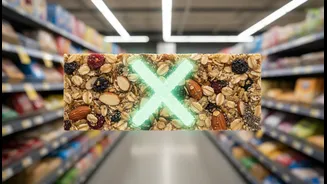
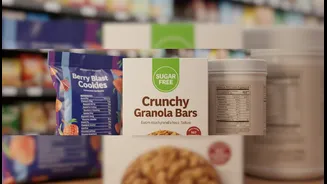
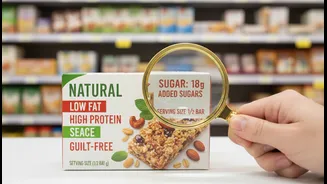
The front of a food package is prime marketing real estate. It's designed to catch your eye with appealing pictures and bold health claims. Words like “natural,” “healthy,” or “multigrain” can make a product seem like a nutritious choice. However, these
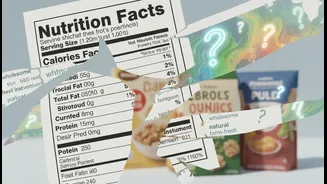
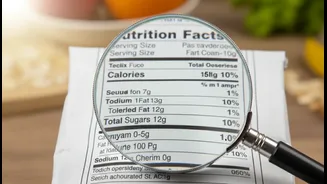
claims can often be vague or even misleading. The Food Safety and Standards Authority of India (FSSAI) has repeatedly flagged companies for such claims, from “healthy” snacks to juices that aren't 100% juice despite the label. The real information doesn't lie in the marketing slogans, but in the fine print on the back. This is where you find the data needed to make an informed decision about what you are actually eating.
How to Master the Ingredients List
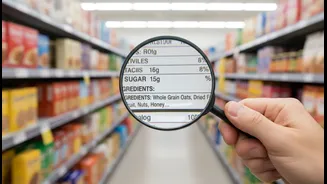
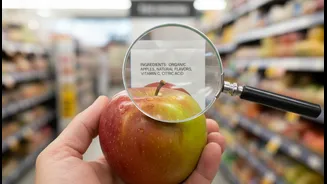
The ingredients list is perhaps the most honest part of any food package. By law, ingredients must be listed in descending order by weight. This means the first two or three ingredients make up the bulk of the product. If sugar, maida (refined flour), or palm oil are at the top of the list, you know the product is primarily made of those, regardless of any “healthy” claims on the front. Be wary of long lists filled with chemical-sounding names and multiple types of hidden sugars. Common names for sugar include corn syrup, dextrose, fructose, and maltose. A quick scan of the top ingredients will give you a very clear picture of the food's true nature.
The Portion Size Illusion
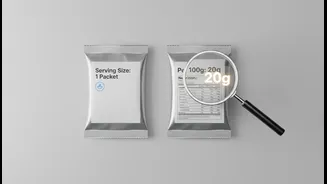
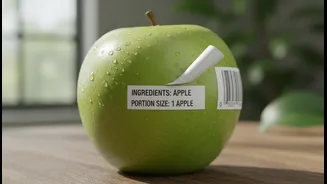
Here's one of the biggest tricks in food packaging: the difference between serving size and portion size. A serving size is a standardized amount decided by the manufacturer, while a portion size is how much you actually eat. A company might list a serving size as just two or three biscuits or a small handful of chips. The calorie and sugar counts on the label refer only to that small serving, not the whole packet. If you eat the entire bag, which many of us do, you could be consuming several times the amount of calories, fat, and sugar listed. Always check the “servings per container” to understand the total nutritional cost of finishing the package.
Decoding Common Health Buzzwords
Food marketers have a vocabulary of their own, designed to make products sound healthier than they are. “Multigrain,” for instance, simply means the product contains more than one type of grain; it doesn't mean those grains are whole. “No added sugar” doesn’t mean a product is low in sugar; fruit juices, for example, can be naturally high in sugar without any being added. “Fat-free” can be a red flag, as fat is often replaced with extra sugar or sodium to make the product taste good. And the term “natural” is loosely regulated and can be applied to products that are still high in fat, sugar, or salt. Even the claim “100%” is coming under scrutiny by regulators for being potentially misleading.
Your 3-Step Supermarket Check
Feeling empowered? The next time you're in the supermarket, use this simple, three-step process. First, ignore the front of the pack. Turn it over immediately. Second, read the first three ingredients. This tells you what the product is mostly made of. Third, check the serving size and the number of servings per container. Multiply the calories and sugar per serving by the number of servings to understand the total impact. These simple steps cut through the marketing noise and put you in control, allowing you to compare products based on facts, not just claims.