






A Growing Barrier to Travel
It’s a feeling many Indian travellers know all too well: you find the perfect destination, but the thought of the visa process makes you reconsider. According to the 2026 Global Passenger Survey from the International Air Transport Association (IATA),
you are far from alone. The survey, which polled over 10,000 travellers from more than 200 countries, found that 43% of passengers have been discouraged from travelling to a particular destination because of its immigration requirements. This marks a significant 10-percentage-point jump from 33% in 2025, indicating that visa hassles are becoming a more critical factor in travel planning than ever before. For many, the administrative burden now outweighs the destination's appeal, forcing a pivot to places with easier entry.
It’s the Complexity, Not Just the Cost
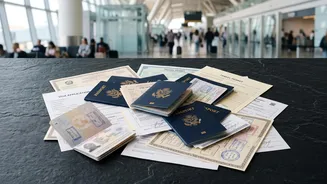
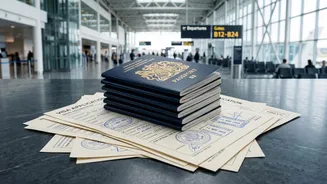
While visa fees can add a significant amount to a holiday budget, the survey reveals that cost is not the main deterrent. Among the travellers who changed their plans due to immigration rules, a majority—53%—cited the sheer complexity of the process as the primary reason. The cost of the visa and concerns over data privacy were secondary factors, each cited by 17% of respondents. This highlights a crucial distinction: people are not just unwilling to pay; they are unwilling to navigate the labyrinth of documentation, appointments, and the nerve-wracking uncertainty of processing times that often defines the visa application experience for many popular Western destinations.
The Pivot to 'Easy-Visa' Destinations
The direct consequence of this frustration is a shift in travel patterns. Travellers are increasingly opting for destinations that offer visa-on-arrival, e-visas, or completely visa-free travel. For Indian passport holders, this trend is particularly pronounced. The long and often unpredictable wait times for visas to countries in the Schengen Area, the UK, or the United States have made destinations in Southeast Asia, the Middle East, and parts of Africa more attractive. The survey data shows that travellers in the Asia-Pacific region are among the most likely to be deterred by visa complexity, with 49% reporting that they have changed plans because of it. This suggests a massive opportunity for countries that simplify their entry procedures to capture a growing segment of the global tourism market.
A Clear Demand for Digital Solutions
While the problem is clear, so is the solution. The IATA survey shows overwhelming support for digital innovation to streamline the process. A significant 60% of travellers stated they would prefer to apply for a visa online rather than visiting a consulate or embassy in person. Furthermore, 86% of passengers are willing to share their immigration information digitally before their flight to speed up procedures upon arrival. This embrace of technology signals a strong desire for a more modern, less bureaucratic travel experience. Passengers are already comfortable using AI to plan trips and biometrics to speed through airports; they are now demanding that governments apply the same logic to entry requirements.
What is the Path Forward?
In response to these findings, IATA is urging governments worldwide to simplify their entry procedures and adopt common standards for digital travel credentials. The technology to support faster visa processing and secure digital verification already exists. However, a lack of international coordination on how to verify e_visas remains a major hurdle for airlines and passengers alike. As more than 100 countries now issue some form of e_visa, creating a standardized system is the next logical step. The survey makes it clear that the countries that make it easier for people to visit will be the ones to benefit from the post_pandemic travel boom. The message from travellers is simple: we are ready to explore, but we will choose the path of least resistance.