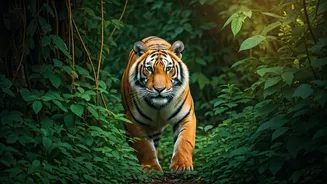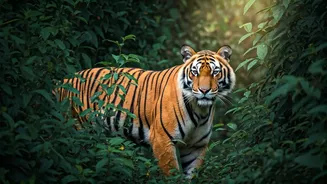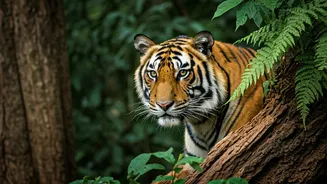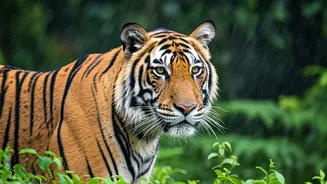




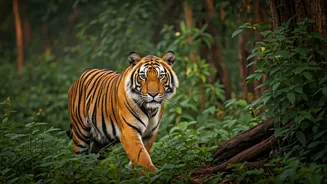


A Roaring Return to the Wild
In late June 2026, the Karnataka government announced the full resumption of jungle safaris in the iconic Bandipur and Nagarahole Tiger Reserves, thrilling wildlife enthusiasts and bringing relief to the local tourism sector. This move marks the end of restrictions
that had been in place since November 2025, signalling a major vote of confidence in the region's ability to host visitors. The decision was celebrated as a crucial step towards reviving the local economy, which is heavily dependent on the steady stream of visitors eager to catch a glimpse of the state's rich biodiversity, including its famed tigers, leopards, and elephants. The reopening is not just a return to business as usual; it's a carefully managed revival based on scientific assessment.
The Silence and the Standoff
The rebound comes after a challenging period of uncertainty. In November 2025, authorities suspended all safari operations in the two reserves following a spike in human-wildlife conflict. A series of tiger attacks in villages bordering the forests led to public protests and prompted the government to take drastic measures to ensure human safety. This led to a phased shutdown, which was partially lifted in February 2026 with safari capacity cut by half and operating hours significantly reduced. The restrictions brought an eerie quiet to the normally bustling tourism hubs and created a tense standoff between the need for conservation, public safety, and the economic survival of local communities.
The Economic Toll of the Shutdown
The seven-month suspension had a severe economic impact. The peak tourism season, from December to February, saw widespread cancellations at resorts and homestays. Industry representatives estimated that the 35 or so resorts surrounding the reserves were collectively losing nearly ₹3 crore per day. The ripple effect was felt across the entire local economy, affecting an estimated 8,000 livelihoods, from safari guides and drivers to hotel staff and small business owners. The annual revenue from safaris alone, which ranges from ₹25 to ₹27 crore, took a substantial hit. This period highlighted just how intertwined wildlife tourism is with the economic fabric of the region.
Science-Backed Revival
The decision to fully reopen was not made lightly. The government appointed a technical committee of wildlife experts and officials to scientifically assess the parks' 'carrying capacity'—the maximum number of visitors the ecosystem can handle without adverse effects. Crucially, the committee's final report concluded that there was no scientific evidence to link regulated eco-tourism activities with tigers being displaced into conflict-prone areas. In the months during the suspension, the Forest Department also worked to mitigate the conflict, successfully capturing more than 20 tigers, which helped restore a sense of security and paved the way for the safaris' return.
A Bigger, More Regulated Future
Interestingly, the rebound is poised to be bigger than ever. Based on the committee's findings, the State Board of Wildlife has approved an increase in the number of safari trips by over 40%, raising the cumulative daily trips across Bandipur and Nagarhole to 137. This move is grounded in the scientific assessment that the reserves can support more visitors if managed correctly. The government has been clear that this new phase of tourism must be regulated and sustainable. The official stated goal is to follow an eco-tourism model that safeguards ecological integrity while generating employment and ensuring that the economic benefits contribute positively to conservation and local communities.