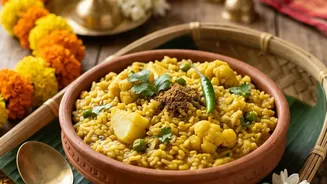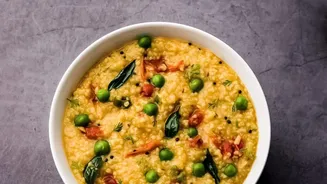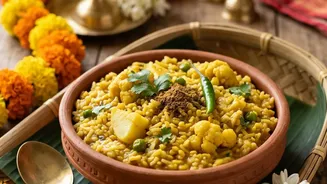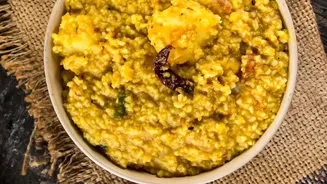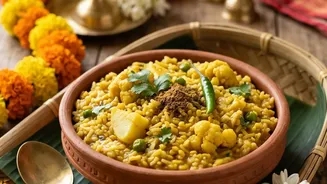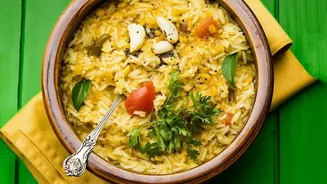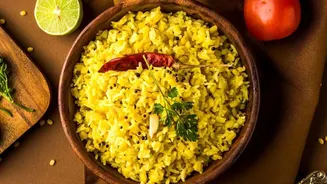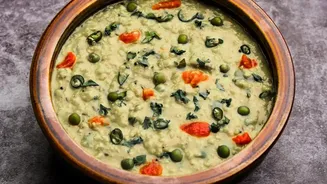


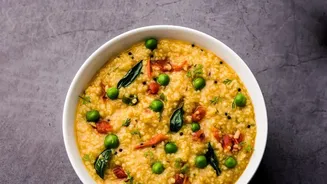
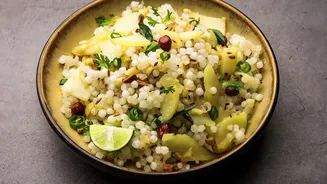
In the world of Indian comfort food, dalia and khichdi reign supreme. Both are hailed as wholesome, easy-to-digest meals, perfect for a light dinner or recovery. But are they nutritionally interchangeable? Not quite. The story is far more complex.
The Solo Power of Dalia
Dalia,
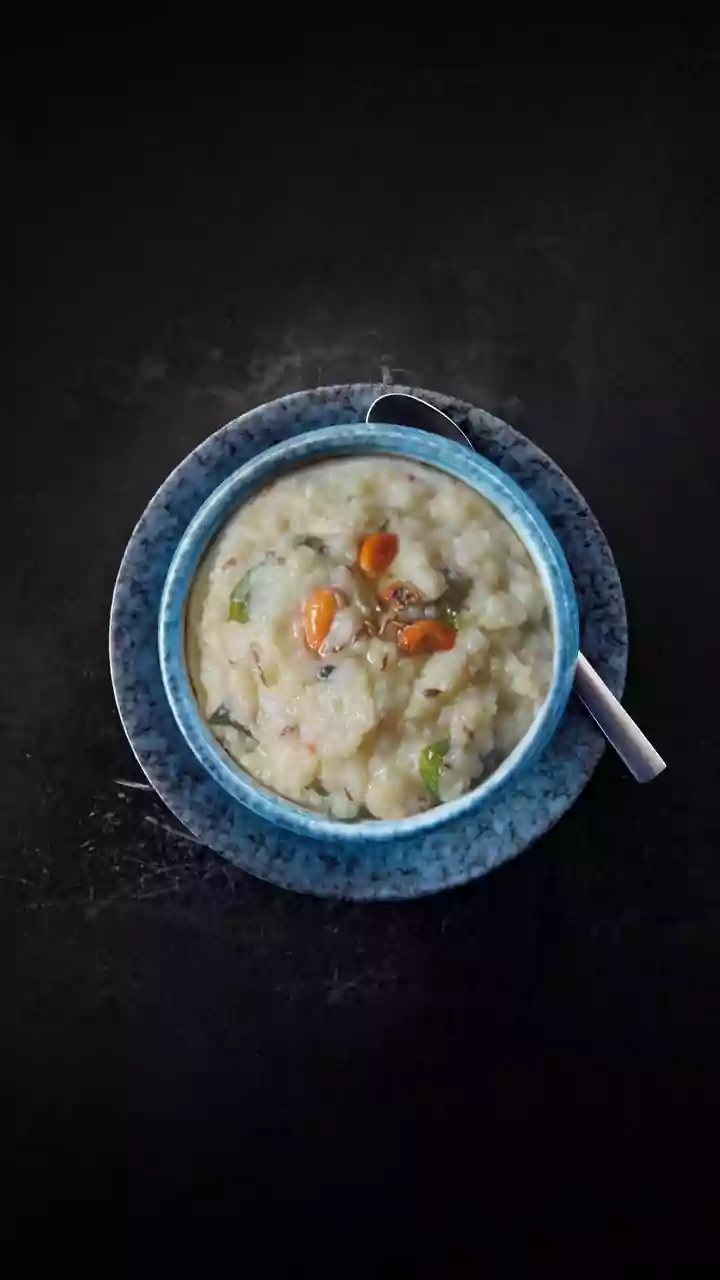
or broken wheat, is a powerhouse on its own. As a whole grain, its biggest strength is its high fibre content. A 100-gram serving of uncooked dalia packs around 10 to 12 grams of dietary fibre, which is crucial for digestive health, promoting satiety, and preventing constipation. This fibre, combined with its status as a complex carbohydrate, gives dalia a low glycemic index (GI), typically ranging from 41 to 55. This means it releases sugar into the bloodstream slowly, providing sustained energy without the sharp spikes associated with refined grains, making it a favourable choice for weight management and blood sugar control. It is also a good source of protein, iron, and magnesium.
Khichdi and the Magic of Synergy
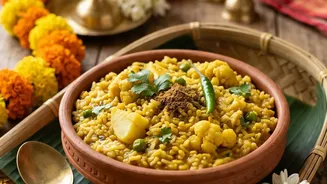
Khichdi’s nutritional story isn't about a single ingredient, but about a powerful partnership. It's typically made by combining rice (a grain) and a lentil like moong dal (a legume). While neither rice nor lentils contain all nine essential amino acids on their own, cooking them together creates a 'complete protein'. Rice is low in the amino acid lysine, which moong dal has in abundance, while dal lacks methionine, which rice provides. This concept, known as protein complementation, is the scientific backbone of many traditional vegetarian diets in India. So, while a bowl of khichdi might have a similar or slightly lower total protein count than a bowl of dalia, the quality of its protein is superior, making it excellent for muscle repair and tissue growth.
The Glycemic Index Showdown
While dalia scores points for its naturally low GI, khichdi has a trick up its sleeve. White rice on its own has a high GI of around 73. However, when combined with moong dal, the protein and fibre from the lentils slow down the digestion of the rice's starch. This dramatically lowers the GI of the entire dish to a much friendlier 35-40, preventing a rapid rise in blood sugar. The effect is even more pronounced when vegetables are added or if a whole grain like dalia itself is used to make the khichdi, a preparation that combines the best of both worlds.
How Cooking Changes Everything
An ingredient's raw nutritional profile is only half the story. The cooking process itself can add or subtract value. Both dalia and khichdi are usually boiled or pressure-cooked, which is a relatively gentle method that helps retain nutrients compared to high-heat frying. However, some water-soluble nutrients like Vitamin C and B vitamins can leach into the cooking water. Since the liquid is consumed in both dishes, these losses are minimised. A key difference often lies in the 'tadka' or tempering. A simple khichdi is elevated with a spoonful of ghee, which not only adds healthy fats but also helps the body absorb fat-soluble vitamins. Spices like turmeric bring their own anti-inflammatory benefits, adding a nutritional layer that plain boiled dalia might lack.
Which One Is Right For You?
Ultimately, the 'healthier' choice depends entirely on your personal goals. For weight management, sustained energy, and blood sugar control, dalia's high fibre content gives it an edge. It keeps you feeling full for longer, which can help reduce overall calorie intake. For post-workout recovery, muscle building, or for those who need an easily digestible meal (like children, the elderly, or someone recovering from illness), the complete protein profile and gentle nature of khichdi make it the ideal choice. The beauty is that both are incredibly versatile. Adding vegetables, seeds, or using different dals can further enhance the nutritional profile of either dish, allowing you to tailor them to your specific needs.