






Why Monsoon Means More Bloating
That heavy, puffy feeling in your abdomen is a common complaint during the rainy season. According to Ayurveda and modern nutrition, there's a reason for this. High humidity in the air can dampen our digestive fire, or 'Agni', making our system more sluggish
than usual. This slowed-down process means food stays in the digestive tract longer, leading to increased gas, indigestion, and that all-too-familiar bloat. Furthermore, the season often brings cravings for fried, heavy snacks, which only adds to the digestive burden. The combination of a slower gut and poor food choices creates the perfect storm for discomfort.
The Pear: A Digestive Hero
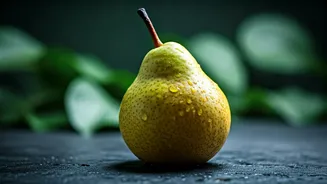
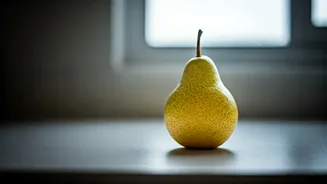
Enter the humble pear, or nashpati. This fruit is more than just a sweet treat; it’s a nutritional powerhouse perfectly suited to tackle digestive woes. Pears are an excellent source of dietary fibre, with a single medium-sized fruit providing a significant portion of your daily needs. This fibre is crucial for maintaining a healthy gut. The fruit also boasts high water content, which helps keep stools soft and flushes the digestive system, preventing the constipation that often accompanies bloating. Its combination of hydration and fibre makes it a gentle yet effective tool for digestive health.
The Science Behind the Solution
The magic of the pear lies in its specific types of fibre and nutrients. Pears contain both soluble and insoluble fibre. The insoluble fibre adds bulk, helping to ensure regular bowel movements. The soluble fibre, particularly a type called pectin, is a superstar for gut health. Pectin acts as a prebiotic, nourishing the good bacteria in your gut. It also helps regulate the body's use of sugars and can bind to toxins, aiding their elimination. Pears also contain sorbitol, a natural sugar alcohol with a mild laxative effect that can further help get things moving and alleviate bloating. Additionally, they are a source of potassium, a mineral that helps balance sodium levels and reduce water retention.
The Easy Pear Hack Explained
The simplest hack is often the best. To combat monsoon bloating, make it a habit to eat one whole pear, with its skin on, between your main meals. The skin is where a significant amount of the beneficial fibre and antioxidants are concentrated. Eating it as a standalone snack prevents it from fermenting with other foods, which can sometimes cause gas. For an enhanced effect, especially in the damp monsoon weather, consider stewing the pear. Gently cooking pears makes them even easier to digest and releases more of the beneficial pectin. Simply slice a pear and simmer it in a small amount of water with a pinch of cinnamon or a slice of ginger until soft. Both spices are also known for their digestive benefits.
More Ways to Weave Pears In
While a simple, whole pear is effective, you can easily incorporate it into your diet in other ways to keep things interesting. Start your day with a pear smoothie, blended with ginger and a little yoghurt for a probiotic boost. Add diced pear to your morning bowl of oats or daliya for a fibre-rich breakfast. For a light lunch, toss sliced pears into a salad with greens and a handful of walnuts. You can even grill or bake pear slices and serve them as a warm, healthy dessert. The key is consistency and choosing preparations that are light and not loaded with extra sugar.
Other Tips for a Happy Gut
While pears are a fantastic tool, a holistic approach works best. During the monsoon, focus on eating warm, freshly cooked, and easily digestible meals like khichdi and soups. Stay hydrated by drinking warm water and herbal teas, such as ginger or fennel tea, which are known to aid digestion and reduce gas. It's also wise to limit your intake of raw vegetables, heavy dairy products, and excessively oily or spicy foods that can further burden your system. Finally, light physical activity, even just a walk around your home, can stimulate digestion and help relieve bloating.