



The Comfort of Classics
There's an undeniable connection between the monsoon and food. As the skies turn grey, the heart yearns for the simple joy of a steaming cup of masala chai paired with a plate of deep-fried goodness. For generations, snacks like onion pakoras, potato-stuffed
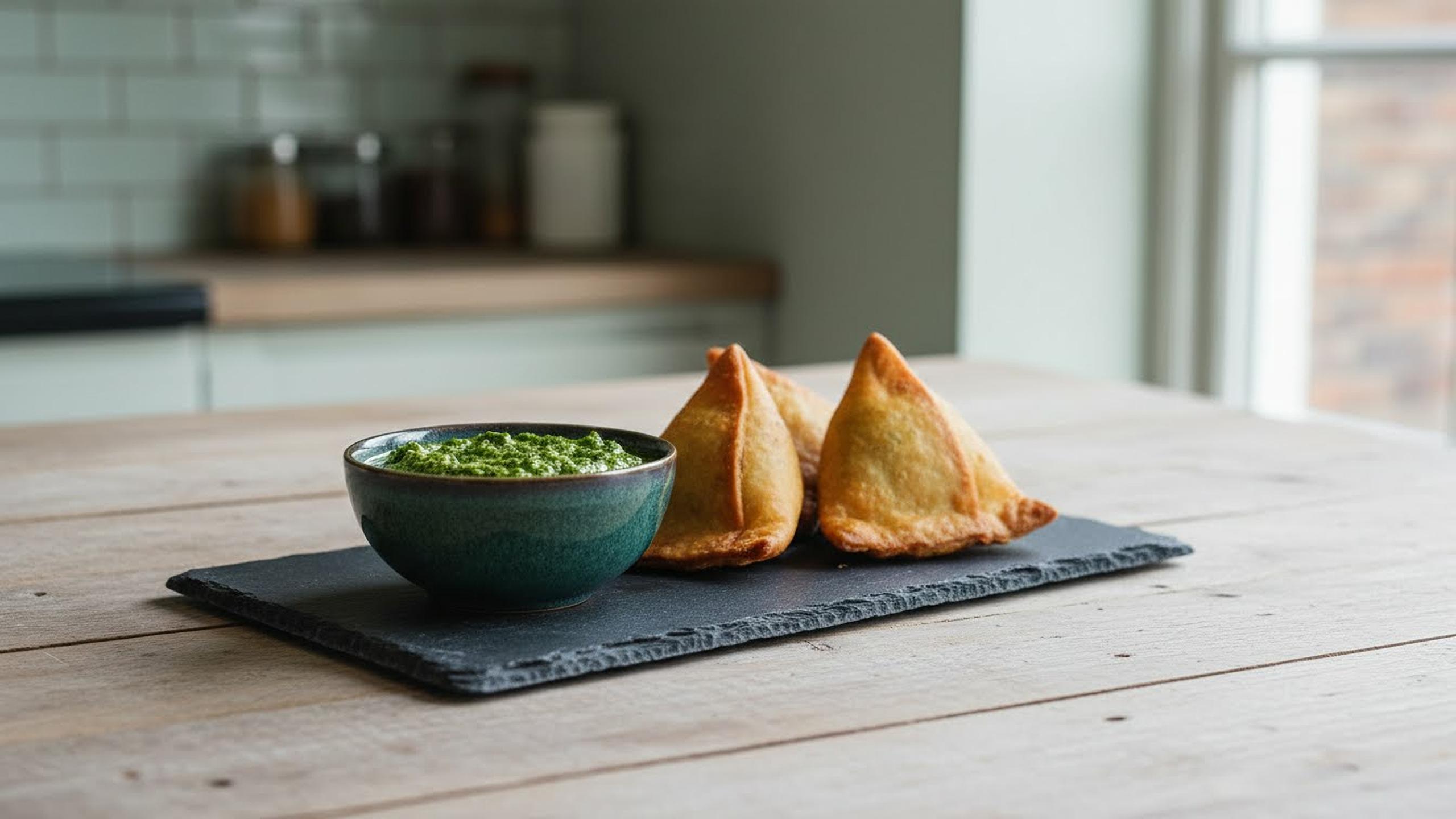
samosas, and roasted corn on the cob (bhutta) have been the unofficial mascots of the Indian rainy season. These are not just foods; they are emotional anchors, evoking memories of huddling indoors with family, the sound of rain against the window, and the communal pleasure of sharing a warm plate of snacks. The crispiness of a pakora or the spicy filling of a samosa offers a delightful sensory contrast to the damp, cool weather, providing a feeling of warmth and contentment that is deeply ingrained in the culture.
A Health-Conscious Remix
While the love for these traditional treats remains strong, a growing health consciousness is inspiring a significant shift. Food lovers are now seeking ways to indulge without the guilt, leading to a surge in healthier cooking methods. The deep-fryer is often being swapped for the air fryer or oven, producing baked samosas and pakoras that promise the same satisfying crunch with a fraction of the oil. According to the Godrej Food Trends Report 2024, a staggering 88.5% of culinary experts noted a preference for non-fried options this monsoon. This trend also sees a greater inclusion of nutritious ingredients like millets, makhana (fox nuts), and various lentils, which are being used to create fortified snacks that are both tasty and beneficial.
The Pakora Gets a Makeover
The humble pakora is perhaps the most versatile canvas for this modern culinary movement. While onion and potato remain classics, chefs and home cooks are experimenting with a wide array of ingredients. Imagine biting into a crispy pakora made not just with gram flour, but with additions like quinoa, spinach, or even sweet corn. Some adventurous chefs are pushing boundaries even further, creating unusual variations like Jamun Pakoras served with a spicy chilli marmalade, which balances the fruit's tartness with a savoury kick. Healthier versions include pan-fried options or those made in an air fryer, coated with spices to deliver crunch without deep-frying.
Reinventing the Samosa and Vada Pav
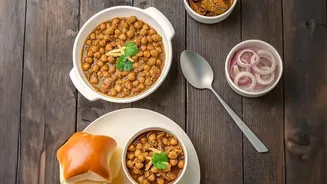
The iconic samosa and vada pav are also receiving gourmet treatment. The traditional spiced potato filling in samosas is being creatively replaced with everything from noodles and minced meat to sweet fillings like chocolate. Similarly, the beloved vada pav is being reimagined for the modern palate. One chef has introduced a version with a pan-fried raw banana vada served in a sourdough pav, offering a lower glycemic impact without sacrificing the classic taste. Another modern take involves a pan-seared patty of potato, sweet potato, millet, and sprouted moong, nestled in a whole-wheat pav with a fresh mint-yoghurt chutney, transforming the street food staple into a thoughtfully plated indulgence.
Not Your Average Corn on the Cob
Even the simple bhutta is not immune to this wave of innovation. Roasting corn on an open flame and slathering it with lemon and salt is a timeless pleasure, but new flavour profiles are emerging. Street vendors and cafes are now offering corn on the cob seasoned with peri-peri and chipotle spices. Other popular formats include corn chaat, which tosses the kernels with chopped onions, tomatoes, and spices, and corn bhel, which adds puffed rice for extra crunch. These modern updates cater to a palate that enjoys global flavours while still cherishing the seasonal availability of fresh corn.