





Why Sitting Drains Your Energy
It seems counterintuitive that resting in a chair all day could leave you feeling exhausted, but the science is clear. Prolonged sitting is a state of physical stagnation that affects your entire body. When you're sedentary for hours, your cardiovascular
system slows down. Blood flow becomes less efficient, reducing the delivery of fresh oxygen and vital nutrients to your muscles and, crucially, your brain. Your large skeletal muscles, which normally help pump blood back to the heart, become inactive, contributing to this sluggish circulation. This process can lead to feelings of mental fog and physical heaviness. Furthermore, maintaining a static posture, even just sitting upright, keeps certain muscle groups in your back, neck, and shoulders constantly engaged, leading to stiffness and strain that quietly drains your energy reserves.
The Science of a Gentle Boost
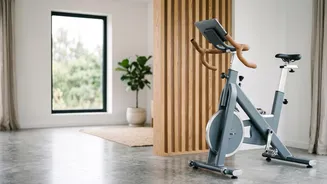
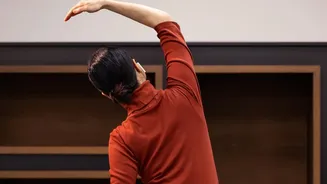
This is where low-intensity exercise comes in as the perfect antidote. Unlike a high-intensity workout that can leave you feeling depleted, gentle movement energises you without placing significant stress on your body. Activities like brisk walking, slow cycling, or simple stretching fall under the category of Low-Intensity Steady-State (LISS) cardio. When you engage in LISS, you stimulate blood circulation, pushing more oxygen to your brain, which can almost immediately improve alertness and cognitive function. At a cellular level, this type of activity encourages your mitochondria—the tiny powerhouses within your cells—to produce more energy. It also triggers the release of mood-regulating neurotransmitters like dopamine and serotonin, which not only make you feel good but also enhance motivation and focus.
Simple Movements for Your Workday
Incorporating low-intensity workouts doesn't require a gym membership or a change of clothes. The goal is simply to break up long periods of sitting with short, manageable bursts of activity. These 'movement snacks' can be surprisingly effective. Consider trying a few of these at your desk: - Desk Push-Ups: Place your hands on the edge of a sturdy desk, walk your feet back, and perform a few push-ups. - Chair Squats: Stand up from your chair and sit back down slowly, without using your hands. Repeat 10-15 times to activate your leg muscles. - Torso Twists: While seated, gently twist your upper body from side to side to relieve back stiffness. - Shoulder Blade Squeezes: Sit or stand tall and pull your shoulder blades together, holding for a few seconds to combat slouching. - Take a Walk: The simplest and often most effective option. A 10-minute brisk walk during your lunch break or a quick stroll around the office floor every hour can make a significant difference.
Making Movement a Habit
The key to sustained energy is consistency. Ten minutes of movement every day will yield better results than one intense 40-minute session per week. To make it a regular part of your routine, try scheduling 'movement breaks' directly into your calendar. Treat them with the same importance as a meeting. If possible, opt for a standing desk to vary your posture throughout the day. You can also make a habit of walking around while taking phone calls or listening to a webinar. Finding a coworker to join you can provide extra motivation and accountability. Over time, these small actions train your body to become more efficient at producing and using energy, helping you conquer the afternoon slump for good and making your workday more productive and enjoyable.