




Understanding Simple Stiffness
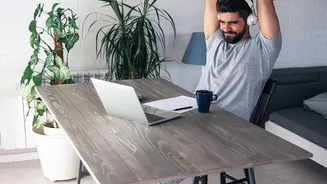
That creaky feeling you get after a long meeting or finishing a project is often just benign stiffness. When you sit for prolonged periods, your muscles, particularly the hip flexors and hamstrings, tighten up. The joints themselves also get less lubrication.
Your body produces synovial fluid to help joints glide smoothly, but movement is what circulates this fluid. When you're inactive, this process slows down, leading to a temporary 'gelling' effect where joints feel locked or heavy until you start moving again. This type of stiffness is your body's way of saying it needs to move.
Signs It's Likely Just Stiffness
Simple stiffness from inactivity has a few tell-tale characteristics. It typically feels more like tightness than sharp pain. A key indicator is its duration; the discomfort usually eases within a few minutes of walking around or stretching. This stiffness is often localised to the muscles and joints that were held in a fixed position, like your lower back, neck, and hips. It might be annoying, but it doesn't usually stop you from going about your daily activities once you've 'warmed up'.
What Is Joint Disease?
Joint disease, most commonly arthritis, isn't just about temporary stiffness; it involves actual changes within the joint itself. Osteoarthritis, the 'wear-and-tear' type, involves the breakdown of cartilage, the protective cushion between bones. Rheumatoid arthritis, on the other hand, is an autoimmune disease where the body's immune system mistakenly attacks the joint linings, causing inflammation. Unlike the temporary stiffness from sitting, arthritis is a progressive condition that can lead to chronic pain, swelling, and damage if left unmanaged.
Red Flags: When to Suspect Joint Disease
The symptoms of a developing joint disease are more persistent and severe. A major red flag is morning stiffness that lasts for more than 30 minutes. While simple stiffness resolves quickly, arthritic stiffness can linger for an hour or more, especially with rheumatoid arthritis. Other warning signs include visible swelling, redness, or a feeling of warmth around the joint. The pain may be present even at rest, worsen over time, and might not be relieved by simple movement. If you notice these symptoms, especially if they affect multiple joints symmetrically (for instance, both wrists or both knees), it's a sign you should pay attention.
Protecting Your Joints at Your Desk
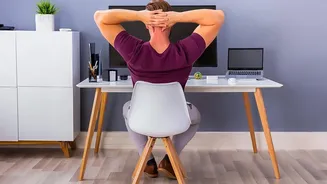
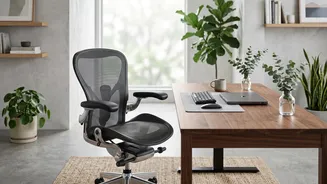
Regardless of the cause, a sedentary desk job is tough on your body. The good news is that small changes can make a huge difference. The most important habit is to move frequently. The Arthritis Foundation suggests taking a break from sitting every 20-30 minutes. Stand up, walk around, or do some gentle stretches. Pay attention to your workstation ergonomics. Your monitor should be at eye level, your feet flat on the floor, and your chair should support your lower back. A small pillow or rolled towel can work if your chair lacks lumbar support. These adjustments help maintain good posture and reduce strain on your spine, neck, and hips.