




It's a tempting shortcut: rinsing a contact lens with tap water or hopping in the shower without removing them. But this convenience comes with serious, vision-threatening risks. Water and contact lenses are a dangerous combination.
Why Water and Lenses Don't Mix
Whether it comes from
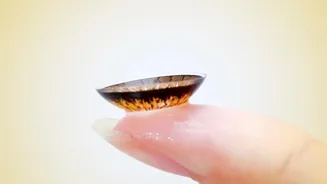
the tap, a swimming pool, a lake, or even a bottle, water is not sterile. It contains a host of microorganisms, including bacteria, fungi, and other pathogens. Soft contact lenses are porous by design to allow oxygen to reach your cornea. This porosity also means they can absorb water and any germs within it, effectively trapping these harmful organisms against the surface of your eye. This exposure significantly increases the risk of painful eye infections, irritation, and corneal scratches. Furthermore, water can cause a soft lens to change shape, swell, and stick to the eye, causing discomfort and potential damage.
The Hidden Threat: Acanthamoeba Keratitis
Among the most dangerous microorganisms found in common water sources is a microscopic amoeba called Acanthamoeba. While rare, this organism can cause a severe and extremely painful infection of the cornea known as Acanthamoeba keratitis. This infection is notoriously difficult to treat and can lead to permanent vision loss or even the need for a corneal transplant. The risk of Acanthamoeba keratitis is significantly higher for contact lens wearers, as the lens provides an ideal surface for the amoeba to attach to before invading the eye. Health authorities like the CDC explicitly warn that activities like showering or swimming with contact lenses in place are major risk factors for this devastating infection.
The Science of Lens Solution
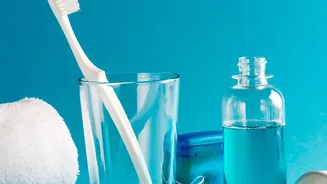
Proper contact lens solution is far more than sterile water. It is a complex, FDA-approved medical solution engineered specifically for eye safety. These solutions contain a precise combination of ingredients that water lacks. Disinfectants kill harmful microorganisms like bacteria and fungi, while surfactants work to remove protein deposits and debris from the lens surface. They also include wetting agents for comfort and are pH-balanced to match your natural tears, preventing irritation. Water, by contrast, does not disinfect, can disrupt the lens's shape, and introduces contaminants instead of removing them. Even saline solution is not a disinfectant; it is only meant for rinsing after a proper cleaning cycle.
Everyday Scenarios and Safer Habits
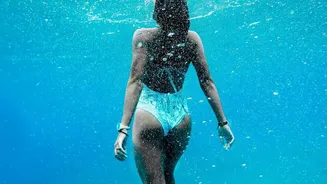
The rule is simple: keep your lenses away from all water. This includes removing them before showering, bathing, or washing your face. You should never wear contact lenses while swimming in pools, hot tubs, lakes, or the ocean. Chlorine in pools does not kill all harmful pathogens, and the warm water in hot tubs can even encourage microbial growth. If water accidentally splashes on your lenses, the safest protocol is to remove them as soon as possible. If you wear daily disposables, simply discard them. For reusable lenses, you should thoroughly clean and disinfect them overnight with fresh solution before wearing them again.
Best Practices for Healthy Eyes
Maintaining healthy vision with contact lenses comes down to a few nonstoppable habits. Always wash and thoroughly dry your hands with a clean cloth before handling your lenses to avoid transferring germs. Never 'top off' the solution in your case; always discard the old liquid and use a fresh amount for cleaning and storage. This ensures the disinfecting agents work at full strength. You should also clean your lens case daily by rubbing and rinsing it with solution (never water), then letting it air dry upside down with the caps off. Finally, replace your contact lens case at least every three months, as it can also become a source of contamination.