








The New Interview Playbook
For decades, interview preparation followed a familiar pattern: research the company, rehearse answers in the mirror, and maybe ask a friend to conduct a mock interview. While these methods are still valuable, Gen Z job seekers are augmenting them with
artificial intelligence. They are turning to AI chatbots like ChatGPT not to replace traditional prep, but to enhance it. This involves everything from generating practice questions to refining answers and even building confidence before the big day. This tech-forward approach reflects a generation comfortable with leveraging digital tools to gain an advantage in a competitive job market. The goal isn't to cheat the system, but to walk into the interview room feeling more prepared and articulate than ever before.
How It Works in Practice
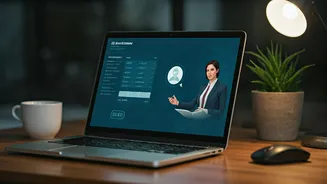
So, how are these candidates actually using AI? A common technique is to feed ChatGPT a specific job description and ask it to generate a list of likely interview questions. This provides a more tailored practice session than simply searching for generic questions online. Candidates can then use the AI to brainstorm and structure their responses to classic prompts like "Tell me about yourself" or complex behavioral questions using the STAR method (Situation, Task, Action, Result). Some users even conduct full mock interviews, asking the AI to act as an interviewer and then provide feedback on their typed-out answers. More advanced video-based AI tools can even offer feedback on presentation skills like posture, tone of voice, and use of filler words. It’s like having a 24/7 career coach available on demand.
The Upside: Confidence and Polish
The primary benefit reported by those who use AI for interview prep is a significant boost in confidence. By repeatedly practicing with a tool that can provide instant feedback, job seekers can reduce anxiety and the fear of being caught off guard. This process helps them clarify their thoughts, organize their experiences into compelling narratives, and ensure their answers align with the specific skills the employer is seeking. When used thoughtfully, AI can help candidates identify gaps in their experience and strategically frame their growth areas. It’s a way to get the foundational work done more efficiently, allowing more time to focus on developing an authentic and personal connection during the actual interview. The result is often a more polished, articulate, and self-assured candidate.
The Pitfalls: Sounding Robotic and Inauthentic
However, over-reliance on AI carries significant risks. The most common pitfall is that answers can sound generic, rehearsed, and devoid of personality. Recruiters are adept at spotting candidates who are reciting a script rather than engaging in a genuine conversation. There is also the danger of AI "hallucinations," where the model generates factually incorrect information about a company or role, which a candidate might unknowingly repeat. Furthermore, some candidates have started using AI assistants in real-time during live video interviews, essentially turning the tool into a hidden teleprompter. This practice is not only ethically questionable but also sets a candidate up for failure if they land a job they aren't truly qualified for. Experts warn that AI should be a sparring partner for practice, not a performer during the main event.
What Recruiters and Experts Advise
The consensus among career experts and hiring managers is that AI is a tool, not a replacement for human effort and insight. They acknowledge that AI can be incredibly helpful for preparation, helping candidates feel more organised and confident. However, they stress the importance of the human touch. No AI can replicate genuine enthusiasm, cultural fit, or the nuanced, intuitive judgments that are critical in the hiring process. The advice is clear: use AI to do your homework, practice your delivery, and sharpen your thinking. But when you enter the interview, your answers must be your own. Your unique experiences, personality, and genuine interest in the role are what ultimately make you a compelling candidate. Combining the efficiency of AI with your own authenticity is the key to success.