






A Splash of Colour on City Streets
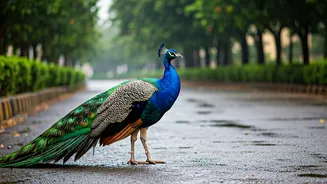
As the first monsoon showers of 2026 washed over Mumbai, residents were treated to a rare and beautiful sight: our national bird, the peacock, taking a stroll through the urban jungle. Videos and photos quickly went viral across social media, showing
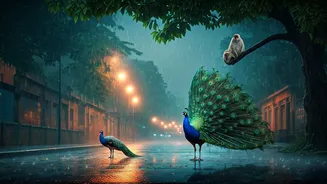
peacocks and peahens calmly navigating the busy Pedder Road in South Mumbai, perched on balcony railings in Kemps Corner, and exploring the city’s rain-drenched lanes. For many Mumbaikars, the sight of these majestic birds against a backdrop of high-rise buildings and bustling traffic was a surreal and welcome surprise, a moment of natural wonder amid the city's fast pace. The encounters, reported around June 24, delighted onlookers, many of whom stopped to capture the unusual spectacle on their phones.
From Green Enclaves to Concrete Jungles
While spotting a peacock in the heart of a metropolis like Mumbai seems unusual, experts and residents suggest the birds are venturing out from nearby green pockets. Areas like Malabar Hill and the sprawling, wooded lands of Doongerwadi, known locally as the Tower of Silence, have long been known to host a population of peafowl. It is believed that the cooler temperatures and fresh greenery brought by the monsoon have encouraged these birds to wander further into the city from their quieter habitats. Peacocks are also frequently spotted in and around the expansive Sanjay Gandhi National Park (SGNP), a vast wilderness in the city's northern suburbs that serves as a vital sanctuary for diverse wildlife.
The Monsoon's Ancient Call
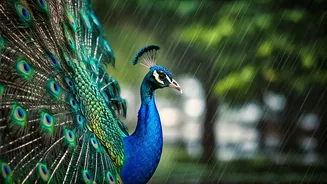
There is a deep, cultural, and biological connection between peacocks and the monsoon. For centuries, the peacock's distinct, haunting call has been seen as a harbinger of rain. This is not just folklore; the monsoon season is the peafowl's breeding season. During this time, males are at their most resplendent, fanning out their spectacular tail feathers in a shimmering display to attract mates. This courtship ritual, known as the peacock's 'dance', makes them more visible and active. The cooler, overcast weather provides the perfect stage for them to show off, turning parks, forests, and now even city streets into their personal theatre.
A Sign of Urban Adaptation?
The increasing visibility of peacocks in urban centres is a phenomenon observed across India. While many bird populations are declining, recent reports indicate that the Indian Peafowl population has been stable or even increasing over the past few decades. This success is partly due to their protected status as the national bird under the Wildlife Protection Act of 1972, which shields them from hunting. Furthermore, peacocks are highly adaptable. They thrive in a variety of environments, including agricultural lands and semi-urban areas, where food is often plentiful and natural predators may be fewer. Their growing presence in cities like Mumbai could be a sign of their successful adaptation to human-dominated landscapes.
Coexisting with Our Feathered Neighbours
The sight of a peacock on a city street is undoubtedly enchanting, a reminder that nature can flourish even in the most unexpected places. It highlights the importance of preserving the city’s green spaces, like SGNP and the wooded hills of South Mumbai, which act as crucial refuges for urban wildlife. As these birds become more habituated to city life, it's a gentle call for Mumbaikars to be mindful observers. While they are becoming bolder, they are still wild animals. Appreciating their beauty from a respectful distance ensures that these dreamy monsoon encounters can continue, allowing both humans and wildlife to share the urban space peacefully. Management programs in other cities focus on public education to foster this humane coexistence.