
Cosmic Cradles of Creation
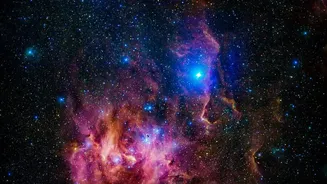
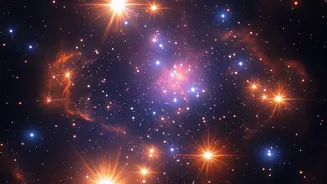
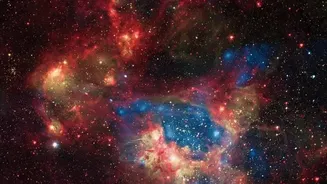
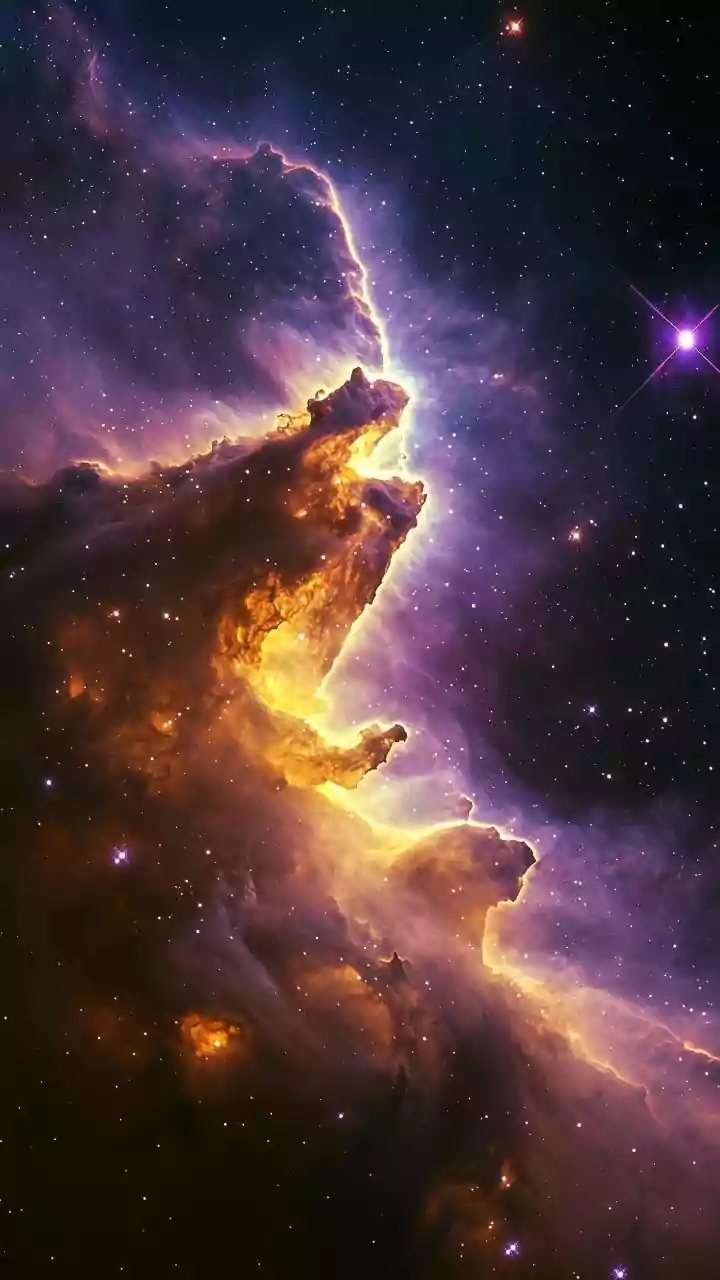
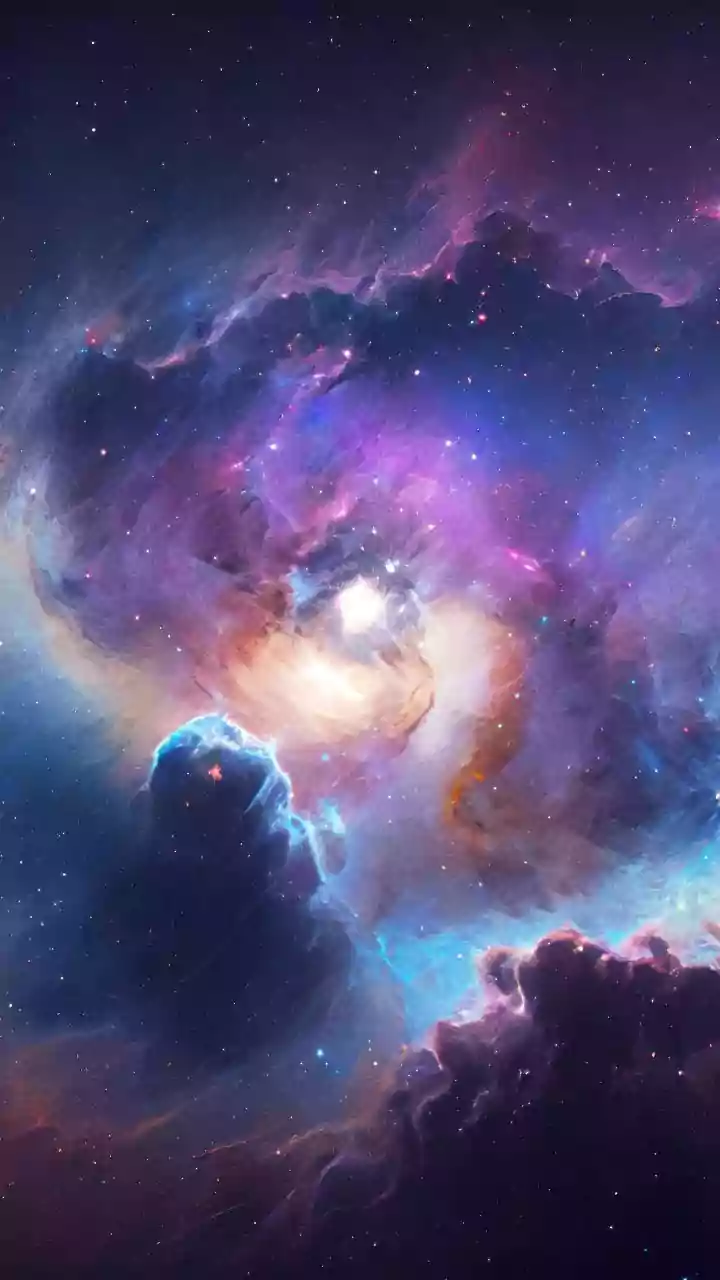
Stellar nurseries are exactly what they sound like: cosmic incubators where stars are born. These are immense, cold clouds of molecular hydrogen gas and dust that can span several light-years across. Inside these nebulae, gravity works its slow magic,
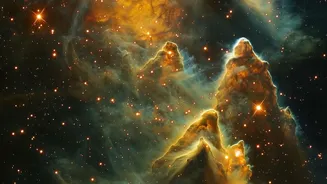
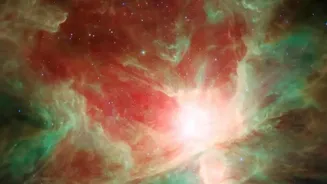
pulling dense clumps of material together over millions of years. As these clumps collapse, they heat up, forming protostars—embryonic stars on their way to igniting. Many of the most famous and beautiful objects in the night sky, like the Orion Nebula and the Pillars of Creation, are active star-forming regions. These nurseries are not just birthing stars; they are cosmic factories forging the elements that eventually create planets and, potentially, life itself.
The Challenge of Cosmic Dust
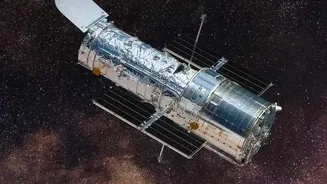
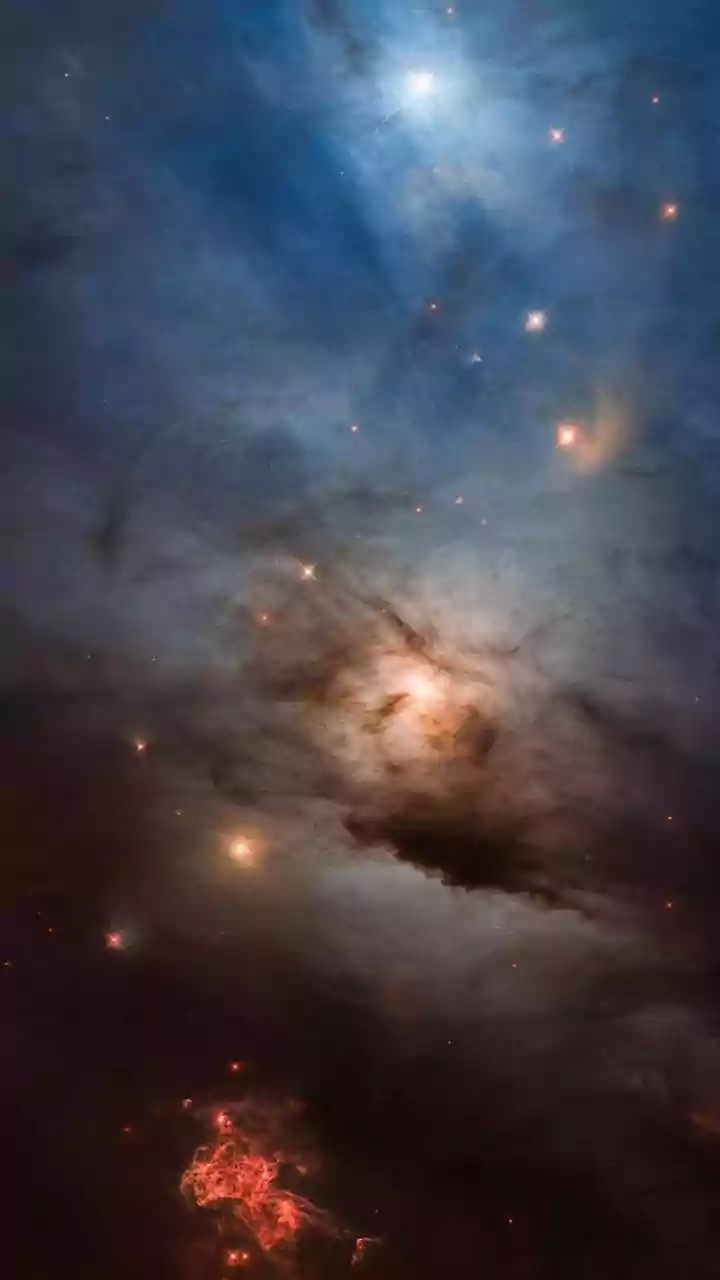
For decades, astronomers have been frustrated by a major obstacle in studying these stellar nurseries: dust. The same dense clouds that provide the raw material for star formation also act as an impenetrable shroud. This cosmic dust blocks visible light, the kind our eyes and telescopes like the Hubble Space Telescope primarily see. As a result, observing the earliest and most critical stages of a star’s life—when it is still a protostar cocooned in its natal cloud—has been incredibly difficult. While we could see the glowing gas energized by already-formed stars on the outskirts, the chaotic, dense cores remained largely a mystery. It was like trying to watch a baby's first moments from outside a locked and windowless room.
Webb's Infrared Superpower
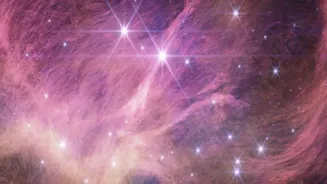
This is where the James Webb Space Telescope (JWST) changes everything. Webb is designed specifically to see the universe in infrared light, which has longer wavelengths than visible light. This gives it the unique ability to pierce through the thick veils of cosmic dust that obscure stellar nurseries. Any visible light emitted by a young star is absorbed by the surrounding dust, which then warms up and re-radiates that energy as infrared light—a heat signature that Webb can detect. The telescope is equipped with two key instruments for this job: the Near-Infrared Camera (NIRCam) and the Mid-Infrared Instrument (MIRI). NIRCam is perfect for seeing newly formed stars, while MIRI excels at highlighting the glowing dust itself, revealing the structures where future stars are just beginning to form.
A New Atlas of Star Birth
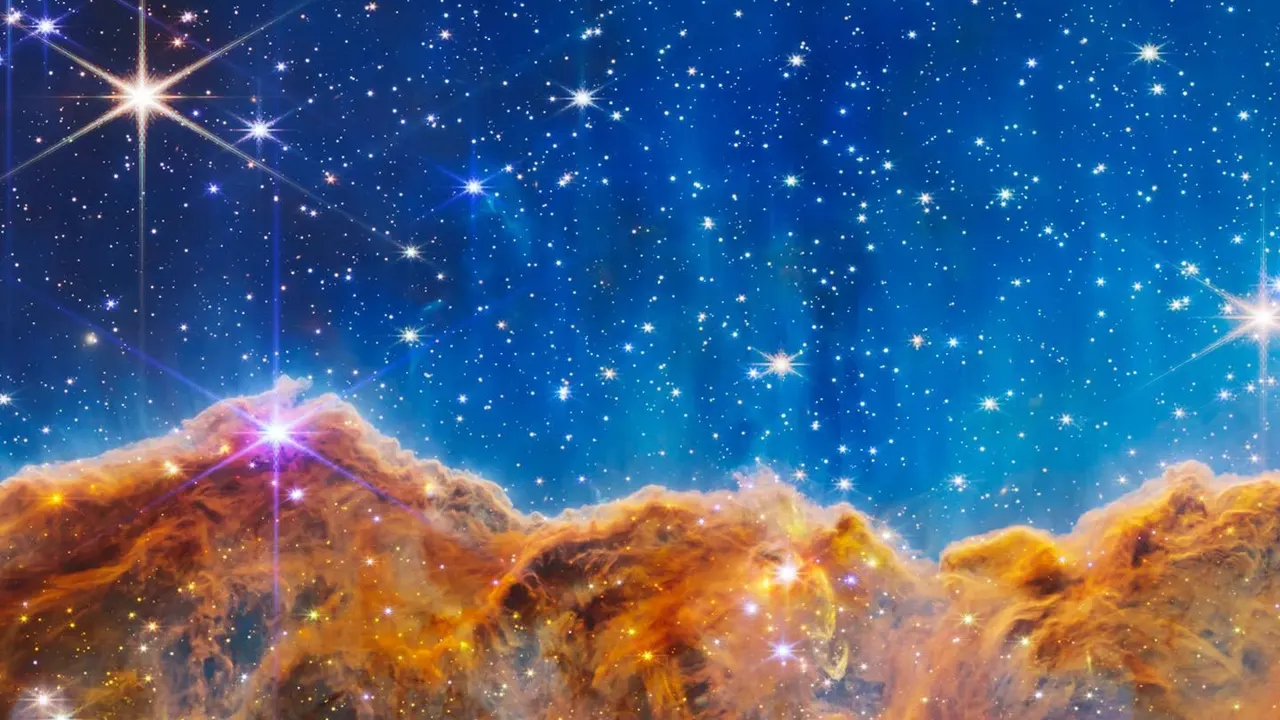
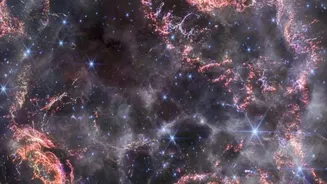
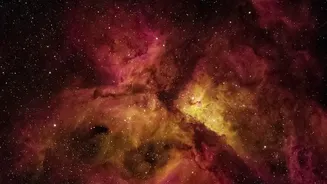
With this technological advantage, Webb is producing breathtakingly detailed maps of these distant regions. Images like those of the 'Cosmic Cliffs' in the Carina Nebula reveal hundreds of previously hidden stars and protostellar jets—massive outflows of gas that signal a star bursting through its dusty cocoon. More recent observations of regions like Sagittarius B2, the Milky Way's most active star-forming cloud, are helping scientists understand why some nurseries are far more prolific than others. Even in areas that appear dark and empty to Webb's instruments, scientists know these are ultra-dense clumps holding the material for the next generation of stars. By compiling a census of young stars and studying the distribution of dust and gas, astronomers are getting an unprecedented look at how star formation is triggered, evolves, and ultimately shapes galaxies across the universe.