


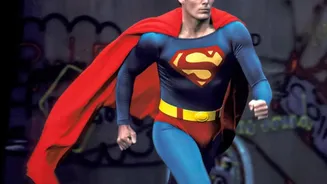
Superman: The Movie (1978)
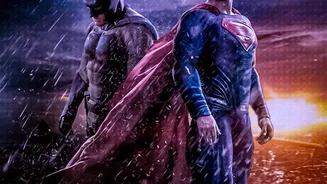
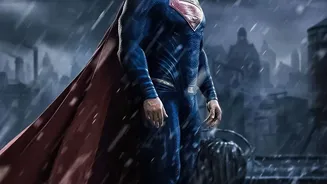
Before 1978, comic book heroes on screen were mostly campy, low-budget affairs. Richard Donner's 'Superman' changed everything with its then-staggering budget and earnest tone. The film's tagline was a promise: "You'll believe a man can fly." By treating
the source material with grandeur and respect, it proved that a superhero story could be a true cinematic epic. It established a blueprint for the modern blockbuster, blending special effects, an A-list cast, and a sweeping orchestral score to create a mythic experience. Superman made audiences feel the wonder and responsibility of heroism, proving that these characters were worthy of serious, large-scale cinematic treatment.
The Dark Knight (2008)
If 'Superman' made you believe a man could fly, Christopher Nolan’s 'The Dark Knight' made you believe he could exist in our world. This wasn't just a superhero sequel; it was a gritty crime thriller that explored complex themes of chaos, order, and sacrifice. The film achieved a level of critical acclaim previously unheard of for the genre, largely thanks to Heath Ledger's posthumous Oscar-winning performance as the Joker. 'The Dark Knight' transcended its comic book origins to become a cultural touchstone, forcing critics, audiences, and the Academy to take superhero films seriously as a legitimate art form. Its success proved that these movies could be dark, intellectually challenging, and profoundly resonant.
The Avengers (2012)
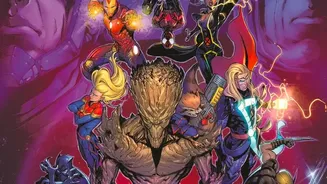
The idea was audacious, almost reckless: build a series of interconnected, individual films that culminate in one massive team-up event. When Nick Fury appeared after the credits of 'Iron Man', many fans thought an Avengers movie was a pipe dream. Yet, Marvel Studios pulled it off. 'The Avengers' was more than a movie; it was the triumphant validation of the Marvel Cinematic Universe (MCU) as a new form of long-form storytelling. Its massive success didn't just spawn sequels; it fundamentally changed the business model of Hollywood. Studios scrambled to create their own shared universes, making 'The Avengers' not just a pop culture phenomenon but a genuine industry game-changer.
Black Panther (2018)
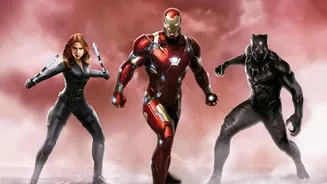
Few films have had the immediate cultural impact of 'Black Panther'. More than just a superhero story, the film became a global celebration of Black culture and identity. It shattered box office records and became a landmark moment for representation in Hollywood, featuring a predominantly Black cast and a story deeply rooted in Afrofuturist themes. The film presented a vision of heroism tied to community, heritage, and challenging colonial legacies. Its nomination for the Academy Award for Best Picture—a first for a superhero film—cemented its status as a critical and cultural powerhouse that proved diverse storytelling is both vital and immensely profitable.
Spider-Man: Into the Spider-Verse (2018)
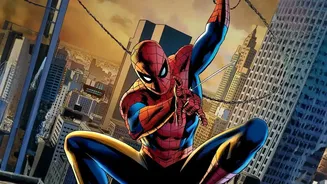
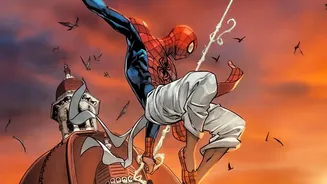
While live-action films were pushing the boundaries of realism, 'Into the Spider-Verse' broke all the rules of animation. The film brilliantly merged 2D and 3D techniques to create a living, breathing comic book. Every frame was a work of art, using visual language like paneling, halftone dots, and onomatopoeia to revolutionize what audiences thought an animated feature could look like. Beyond its visual splendor, the film’s story championed the idea that "anyone can wear the mask," offering a powerful and inclusive take on the Spider-Man mythos. It won the Oscar for Best Animated Feature and is widely seen as a turning point that inspired a new era of stylistic creativity in mainstream animation.