



The Global Spotlight and Growing Crowds
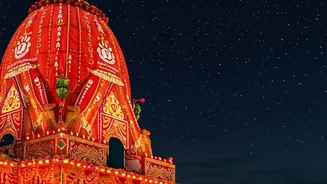
Since UNESCO added 'Durga Puja in Kolkata' to its list of Intangible Cultural Heritage in 2021, the festival's global profile has exploded. This recognition has attracted a significant surge in both international and domestic tourists, adding to the millions
of local residents who throng the streets. While this has been a boon for artists and the local economy, it means that the city’s resources—from transport to public spaces—are stretched thinner than ever before. Organisers and police are bracing for unprecedented footfall, making crowd management a massive challenge. For a visitor, this translates to longer queues, packed public transport, and the need for a well-thought-out itinerary.
The Great Scramble for Flights and Hotels
The days leading up to Durga Puja, which begins with Maha Shashthi on October 16, 2026, see a frantic rush for travel tickets. Airfares to Kolkata see a dramatic spike during this period. For instance, an analysis of flights for October 16 showed prices were up to 71% higher compared to regular days. The price surge affects major routes from cities like Chennai, Mumbai, and Bengaluru significantly. Hotels and guesthouses are booked out months in advance, and those that are available often come at a premium. Securing your travel and accommodation well ahead of time is no longer a suggestion; it's a necessity to avoid exorbitant costs and last-minute disappointment.
A Pandal Hopping Strategy is Essential
With thousands of pandals across the city, seeing them all is impossible. The sheer volume of people means moving between popular pandals can take hours. A strategic approach is crucial. It is wise to group your visits geographically—dedicate one evening to North Kolkata (like Baghbazar and Kumartuli Park), another to South Kolkata (such as Ekdalia Evergreen, Suruchi Sangha, and Badamtala Ashar Sangha), and so on. Many seasoned visitors recommend pandal hopping during late-night hours, between 2 AM and 5 AM, when crowds are relatively thinner. Visiting on Panchami (October 15) can also offer a less crowded experience before the main rush begins on Saptami. Without a plan, you risk spending more time stuck in traffic and queues than admiring the art.
Navigating the City's Arteries
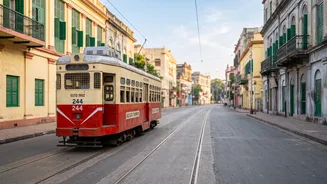
During the five main days of Puja (October 16-21, 2026), Kolkata's traffic is notoriously challenging. While the Kolkata Metro is a traveller's best friend, running extra services and often late into the night, the trains are incredibly crowded. Even with increased frequency on key lines like the Blue and Green Line, expect a tight squeeze. For shorter distances within a specific neighbourhood, walking is often the fastest option, so comfortable footwear is a must. Taxis and app-based cabs are available but be prepared for surge pricing and long waits. Planning your transport, combining metro rides with walking, is key to navigating the city efficiently.
Food, Safety, and Other Practicalities
Durga Puja is as much a culinary festival as it is a religious one, with street food stalls and restaurant specials everywhere. However, popular eateries will have long waiting times, so factor that into your plans. On a practical note, safety is paramount in large crowds. Keep your valuables like wallets and phones in a secure, front-facing bag. Stay hydrated by carrying a water bottle. With police and volunteers managing massive crowds, it's important to follow directions and be patient. Police are implementing detailed plans, including designated entry and exit points at pandals, to ensure visitor safety. Being prepared for these small realities will ensure your focus remains on the festive joy.