


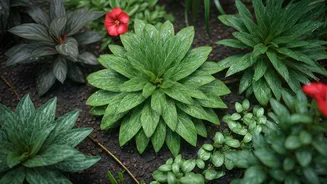



1. Pull Weeds Effortlessly
Weeding is often the most dreaded garden chore. It’s back-breaking, tedious, and seems never-ending. But after a good rain, it becomes surprisingly satisfying. When the ground is saturated, the soil structure loosens its grip on roots. This allows you
to pull out entire weeds—taproot and all—with minimal effort. In dry, compacted soil, weed stems often snap, leaving the root behind to gleefully regrow. But in moist earth, a gentle, steady pull is usually all it takes to extract the entire plant. This is particularly effective for stubborn weeds with deep taproots, like dandelion or certain types of wild grasses that plague Indian gardens. Seize this moment to clear your beds; you’ll get more done in less time and with far greater success.
2. Transplant with Less Stress
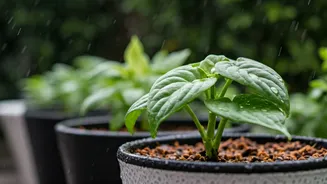
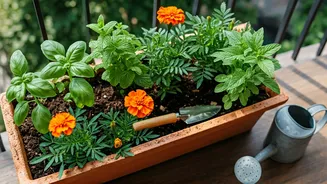
Moving a plant from one spot to another, or from a pot into the ground, can cause 'transplant shock.' The plant's delicate root system is disturbed and has to re-establish itself in a new environment, which can be stressful. Rain-softened soil is the perfect medium for this task. First, the ground is easy to dig, making the physical work of creating a new home for your plant much simpler. More importantly, the moist soil provides an ideal environment for the roots. They can immediately access the water they need to recover, and the soft earth makes it easier for them to spread out and anchor themselves. The surrounding soil will settle gently around the root ball, eliminating air pockets that can dry out roots and hinder growth. For best results, transplant on a cloudy day after a rain to minimize further stress from the sun.
3. Amend Your Soil Easily
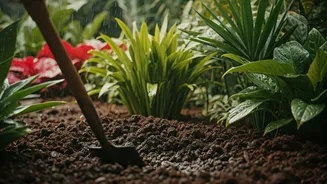
Whether you have clay-heavy soil that needs lightening or sandy soil that needs more substance, adding amendments like compost, coco-peat, or well-rotted manure is key to a healthy garden. The problem is, working these materials into dry, hard-packed earth is a strenuous workout. After a rain, the soil becomes pliable and receptive. It’s the perfect time to lightly turn the top few inches of your garden beds with a fork and mix in your chosen amendments. The moisture helps the new organic matter integrate more quickly with the existing soil, kick-starting the process of improving its structure and fertility. This is also an ideal time for 'top-dressing,' which is simply spreading a layer of compost around the base of existing plants. The nutrients will begin to wash down to the root zone with the next rainfall.
4. Fertilise for Maximum Impact
Applying fertiliser to dry soil can be inefficient and even harmful, as concentrated nutrients can 'burn' plant roots. When the soil is already moist, it acts as a perfect delivery system. The water in the soil helps to dissolve granular fertilisers and dilute liquid feeds, distributing them evenly throughout the root zone where they can be readily absorbed by the plants. The plants are actively 'drinking' after a rain, so they will take up the nutrients more effectively. This ensures that your expensive fertiliser isn't just sitting on the surface or getting washed away, but is actually feeding your plants when they need it most. Whether you’re using an organic blend or a conventional fertiliser, applying it to moist ground is the professional way to do it.
5. Know What to Avoid
While damp soil is a gift, waterlogged soil can be a liability. The most important rule is to avoid walking on or heavily working very wet soil, especially if it has a high clay content. This can severely compact the soil, squeezing out the air pockets that roots need to breathe and creating a hard, brick-like surface once it dries. This damage can take a whole season to undo. Wait until the soil is moist and crumbly, not squishy or muddy. It's also best to avoid planting very fine seeds right after a heavy downpour, as they can be easily washed away or buried too deep. Hold off on major digging projects in saturated ground, as this can destroy the soil structure. The goal is to work with the moisture, not against it.