






Start With a Wardrobe Audit
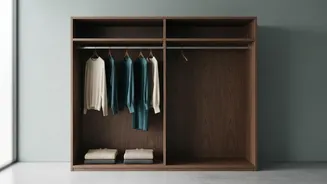
Before you shop, get a clear picture of what you already own. You don’t need a full-day decluttering session; a quick scan will do. Open your closet and mentally note your most-worn colours, cuts, and fabrics. What are the dominant themes?. Identify the "hero"
pieces you love and wear constantly—your favourite jeans, a go-to blazer, or a versatile dress.. Also, note any "wardrobe orphans—items you bought on impulse but can never seem to style.. This mental inventory is your baseline. Knowing what you have helps you instantly spot what will fill a genuine gap versus what will become another lonely piece. Creating a quick list or taking photos on your phone can provide a valuable reference when you're in a store..
Apply the 'Rule of Three'
This is a simple but powerful guideline for smarter shopping. Before you purchase any new item, you must be able to think of at least three distinct outfits you can create with it using pieces you already own.. Hold up the new shirt or dress and mentally pair it with your existing items. Can you wear it to work with your black trousers, on the weekend with your favourite jeans, and dress it up with a skirt for an evening out? If you can immediately imagine three combinations, it's likely a versatile addition.. If you struggle to think of even one complete look, it's a major red flag that the item may not integrate well.. This rule forces you to think in terms of complete outfits, preventing you from buying something that requires you to purchase even more clothes just to make it wearable.
Respect Your Colour Palette
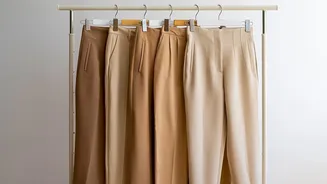
A cohesive wardrobe is often built around a consistent colour palette.. This doesn't mean you have to dress only in neutrals, but your clothes should generally harmonise. Most functional wardrobes have a few core neutral colours (like black, navy, grey, or white) that form the foundation.. These are complemented by a handful of accent colours that you love and that suit you.. When considering a new piece, see how its colour fits into your existing scheme. Does it complement your neutrals and work with your other accent colours? A bright, trendy top might look fantastic on the hanger, but if your wardrobe is filled with earthy tones, it will likely clash and go unworn. Prioritising colour continuity ensures that more of your clothes can be mixed and matched, dramatically increasing your outfit possibilities..
Think in Outfits, Not Items
Shift your shopping mindset from hunting for individual items to building complete outfits. When you see something you like, the first question shouldn't be "Do I like this?" but "What outfit will I create with this?". This encourages more purposeful purchasing and helps you consider the entire ecosystem of your closet.. Visualise the head-to-toe look: what shoes will you wear, what jacket, what accessories?. If you can't complete the picture with what you already have at home, you're not just buying a shirt; you're committing to a future shopping trip to find the missing pieces. This is how closets become cluttered. By focusing on creating functional, complete outfits, you ensure every new purchase has a clear purpose and a place in your daily rotation.
Use Your Phone as Your Stylist
Your smartphone is a powerful shopping ally. Before a shopping trip, take a few quick photos of your key wardrobe pieces—your most-worn jackets, trousers, shoes, and skirts. When you're in the fitting room, you can pull up these photos for an instant visual reference.. It’s far more effective than trying to remember the exact shade of blue of your favourite jeans. Some people even create a dedicated photo album for their wardrobe staples to use as a personal closet inventory.. This simple habit removes the guesswork. You can hold the new item next to the photo of your existing clothes to check for colour harmony and style compatibility. It’s like having your closet with you in the store, helping you make smarter, more informed decisions on the spot and drastically reducing the chances of buyer's remorse.