







The Balcony Orchard Boom
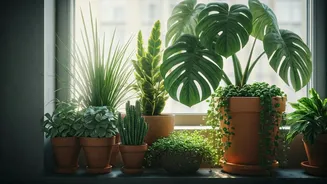
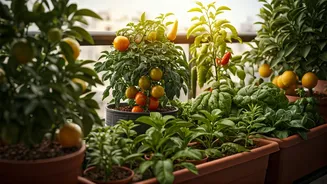
Across India's metropolitan areas, from Mumbai to Bengaluru, a growing movement is greening the grey cityscape. Urban farming is surging in popularity, with residents transforming underutilised spaces like rooftops and balconies into productive gardens.
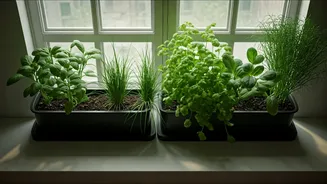
This isn't just about a few pots of herbs anymore. People are thinking bigger, dreaming of fruit-laden branches just outside their windows. This trend is driven by a desire for fresher, healthier food, concerns over pesticide use on commercial produce, and a yearning to reconnect with nature. The rise of social media has also played a part, with platforms like YouTube and Facebook providing a wealth of information and inspiration for aspiring gardeners. For many, it's a lifestyle choice that offers a sense of accomplishment and a delicious reward.
From Pot to Plate: Popular Picks
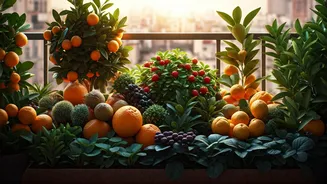
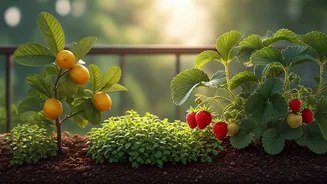
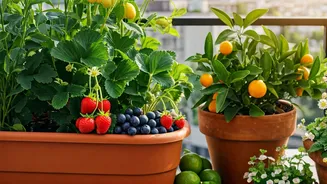
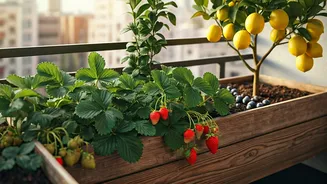
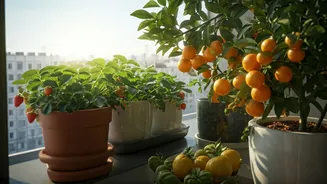
So, what exactly fills these urban fruit bowls? Dwarf and grafted varieties are the heroes of the home orchard, specially bred for container growth. Lemons are a top choice, with varieties like the Baramasi fruiting year-round and thriving in pots. Guavas are another favourite, known for being hardy, low-maintenance, and productive even in limited space. Papayas offer the thrill of a quick harvest, sometimes bearing fruit within a year. Pomegranates, particularly dwarf types, are also well-suited to balcony life, being both drought-tolerant and visually appealing. For the more ambitious, dwarf mango varieties like Amrapali, strawberries in hanging baskets, and even figs are becoming common sights in urban gardens.
More Than Just a Harvest
The motivation behind this trend runs deeper than just flavour. For many, gardening is a therapeutic activity that reduces stress and anxiety. It offers a chance to get outdoors, engage in light physical activity, and find a sense of purpose. Growing your own food is also an educational experience, helping both adults and children understand where their food comes from. There are significant environmental benefits, too. Home gardening reduces reliance on long-distance food transport, cuts down on plastic packaging, and provides a use for kitchen waste through composting. It creates small green pockets that can help mitigate urban heat and support local pollinators like bees. In essence, nurturing a plant is feeding not just the body, but the soul.
The Gritty Reality of Green Thumbs
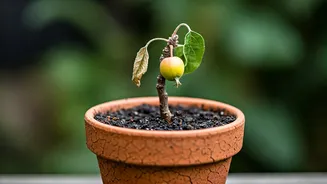
Chasing fruit-bowl dreams is not without its challenges. Limited space is the most obvious hurdle, requiring clever solutions like vertical gardening. Urban environments also present unique difficulties, such as pests, scorching summer heat that can wither plants, and ensuring adequate sunlight. Success requires knowledge and patience. Gardeners need to select the right plant for their specific conditions—considering sunlight, climate, and pot size. Proper soil mix, regular watering, and timely fertilisation are crucial, especially for potted plants which can lose nutrients quickly. The journey from a tiny sapling to a fruit-bearing tree is often a process of trial and error, demanding commitment and a willingness to learn from failures.
A Taste of Sweet Success
Despite the hurdles, the rewards are profoundly satisfying. There is nothing quite like the flavour of a fruit picked at its peak ripeness, fresh from your own plant—a taste that store-bought produce, often picked early for transport, can rarely match. Studies have shown that people who grow their own food tend to eat more fruits and vegetables and waste significantly less. Beyond the nutritional benefits, there is an immense sense of pride and joy in harvesting something you have nurtured from the beginning. Each lemon, guava, or handful of berries represents a small victory—a successful collaboration with nature in the heart of the city.