


Chawal ki Kheer: The North Indian Classic
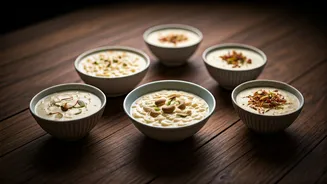
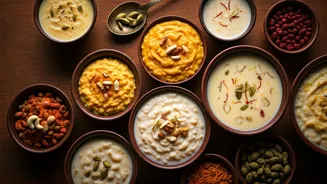
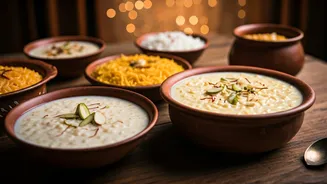
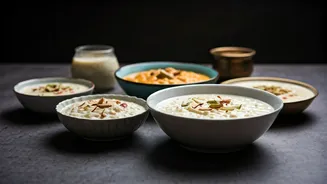
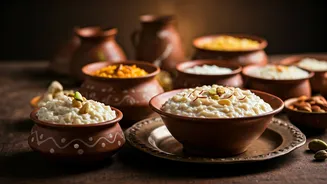
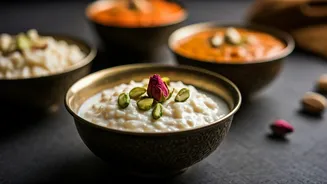
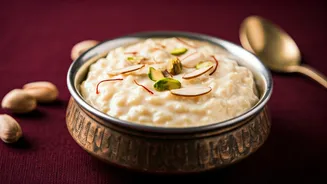
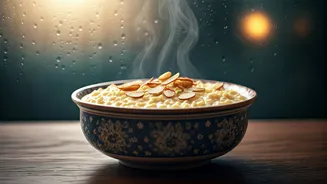
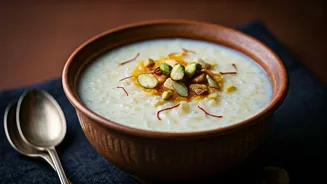
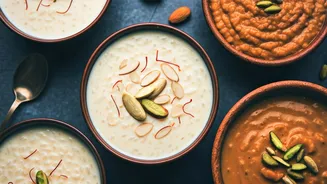
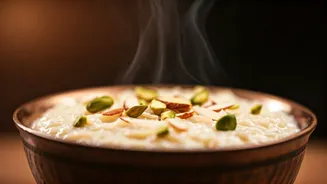
Arguably the most famous version, Chawal ki Kheer is the quintessential rice pudding savoured across North India. Made by slow-cooking rice (often Basmati) in full-fat milk until it's thick and creamy, this kheer is a testament to the beauty of simple
ingredients. The rice grains become incredibly soft, releasing their starch to create a luscious texture. It is typically sweetened with sugar and aromatised with green cardamom and sometimes a few strands of saffron, which imparts a beautiful golden hue and delicate fragrance. Garnished with slivered almonds and pistachios, it’s a comforting dessert that feels like a warm hug in a bowl, perfect for any celebration or a simple, sweet craving.
Nolen Gurer Payesh: Bengal’s Wintry Delicacy
Come winter, and Bengali households eagerly await the arrival of Nolen Gur, or fresh date palm jaggery. This special jaggery is the star of Nolen Gurer Payesh, a regional specialty with a unique smoky aroma and a deep, caramel-like sweetness that sugar cannot replicate. Traditionally made with fragrant Gobindobhog rice, which is short-grained and aromatic, the payesh is cooked in milk until it reaches a perfect creamy consistency. The jaggery is added towards the end of the cooking process to prevent the milk from curdling. This payesh isn't just a dessert; it's an experience that captures the essence of winter in Bengal.
Paruppu Pradhaman: Kerala’s Festive Favourite
Travel south to Kerala, and you'll discover a different world of kheer, known as payasam or pradhaman. Paruppu Pradhaman is a star component of the grand Onam Sadya (feast). Made with moong dal (cherupayar parippu) roasted in ghee, this dessert has a rich, earthy flavour. Instead of cow's milk and sugar, it uses layers of coconut milk and is sweetened with jaggery, giving it a dark, inviting colour and complex flavour. The payasam is spiced with cardamom and dry ginger powder and garnished with coconut bits and cashews fried in ghee, providing a delightful crunch in every spoonful. The term 'Pradhaman' means 'number one', a fitting name for this king of payasams.
Sheer Khurma: A Rich Eid Tradition
Sheer Khurma is a rich and luxurious vermicelli pudding synonymous with Eid celebrations across the Indian subcontinent. The name itself is Persian, with 'sheer' meaning milk and 'khurma' meaning dates. Fine vermicelli (seviyan) is fried in ghee before being simmered in milk with dates, which lend a natural sweetness and chewy texture. The dish is lavishly loaded with dried fruits and nuts like almonds, pistachios, and cashews. Served warm, this festive breakfast dish marks the joyous end of Ramadan and is shared with family and visiting guests throughout the day.
Sabudana Kheer: The Fasting Special
Sabudana Kheer, made from tapioca pearls, holds a special place in Indian culinary traditions, particularly during religious fasts like Navratri. Sabudana, being a pure carbohydrate source, provides a quick energy boost. The small, white pearls turn translucent and delightfully chewy when cooked in milk, creating a unique texture. Sweetened with sugar and flavoured with cardamom, this kheer is garnished with nuts for a bit of crunch. Its comforting and light-on-the-stomach nature makes it a beloved dish not just for fasting but for any day you need a simple, satisfying dessert.
Gajar ki Kheer: A Sweet Vegetable Twist
While Gajar ka Halwa is famous, its lesser-known cousin, Gajar ki Kheer, is a delightful dessert, especially popular in North India during winter when red carrots are in season. This pudding combines the earthy sweetness of grated carrots with the creaminess of milk, creating a dish that’s both a kheer and a halwa in spirit. The carrots are simmered in milk until tender, and the mixture thickens naturally. Often enhanced with rice for extra body, and garnished with cashews and raisins, it’s a wonderful way to enjoy carrots as a dessert.