




The Living Centrepiece: Choosing Your Plant
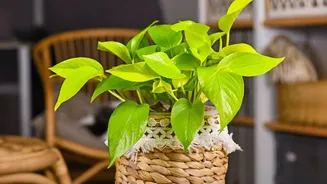
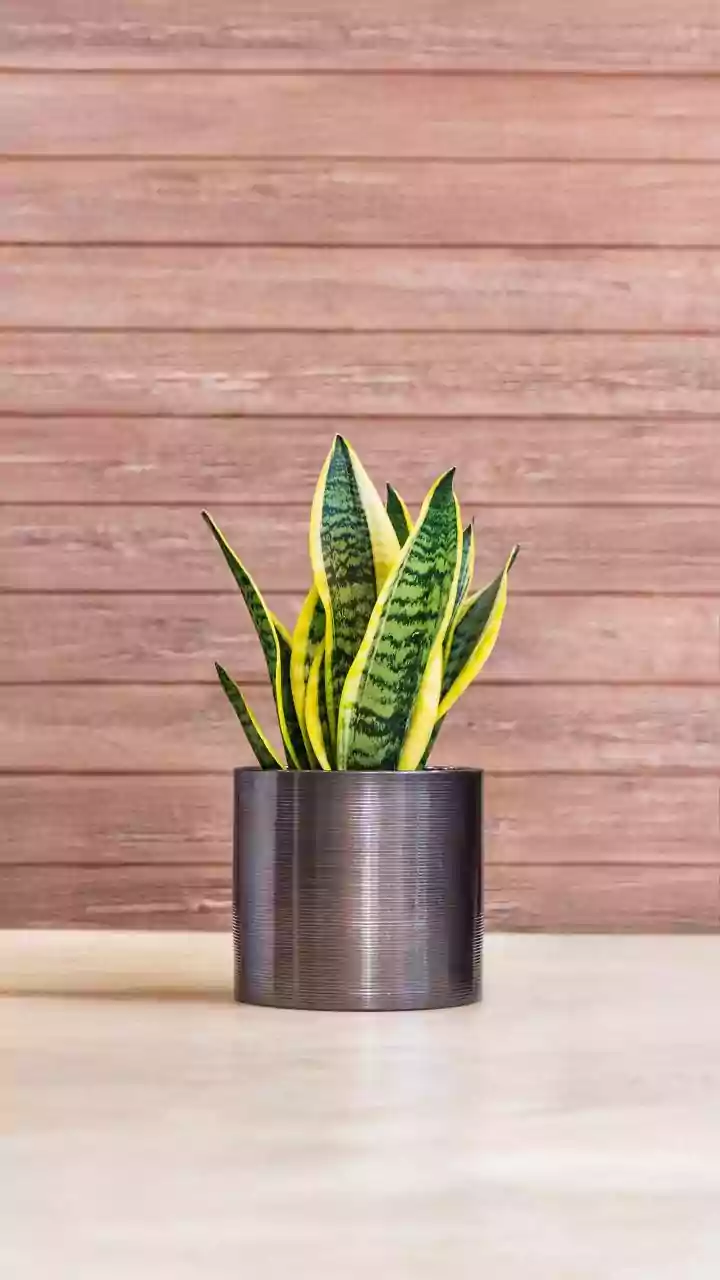
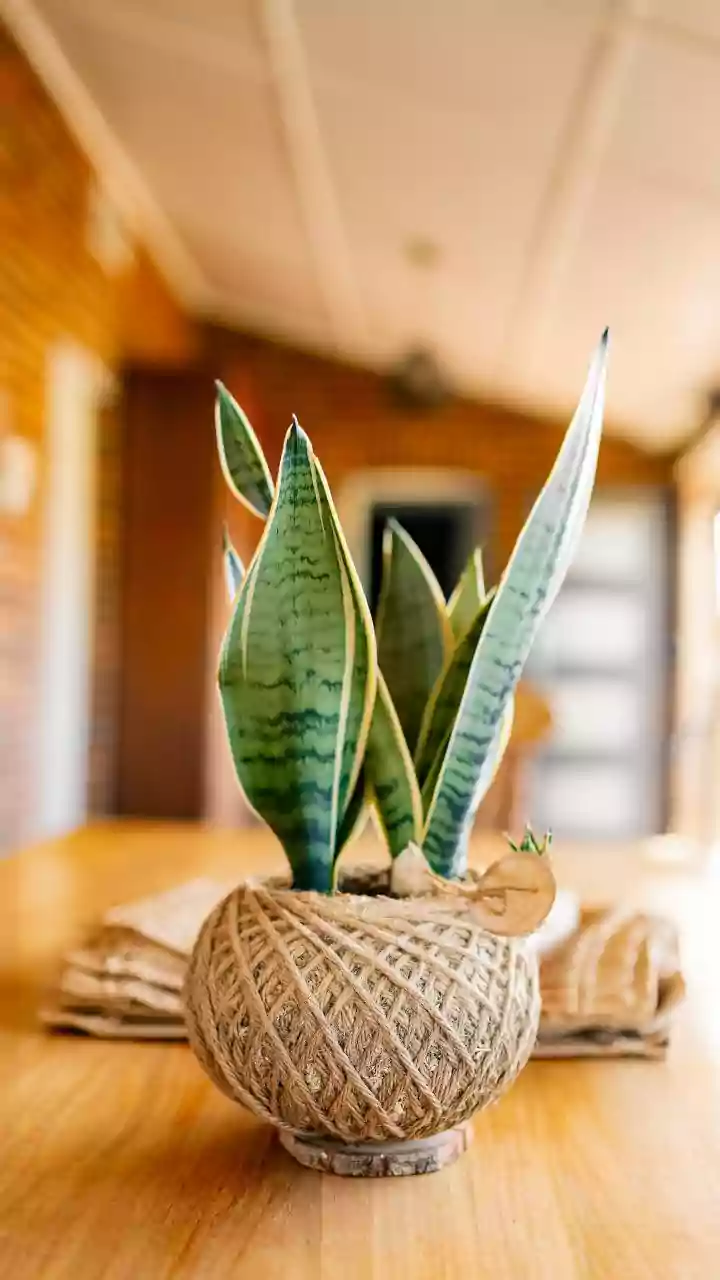
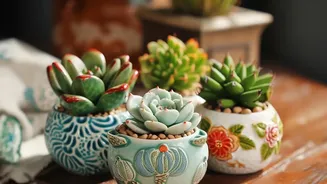
The heart of your hamper is the potted plant, a living gift that lasts long after the festive season. When selecting a plant, consider the recipient's lifestyle and home environment. Low-maintenance options are always a thoughtful choice. Popular and resilient
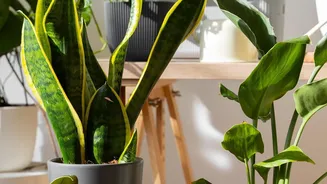
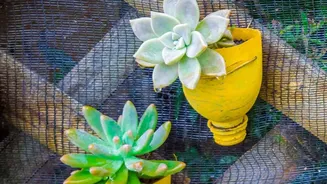
plants in India include the Snake Plant, known for its air-purifying qualities and resilience, and the Jade Plant, a succulent often called the 'friendship plant' that symbolises good luck. Money Plants and Peace Lilies are also excellent choices, believed to bring prosperity and harmony. For a touch of green elegance, a Bird's Nest Fern or an Areca Palm can brighten any space. Ensure the plant is in a sturdy, attractive pot—terracotta is a wonderful, earthy option that is both beautiful and biodegradable.
The Foundation: Artisan and Biodegradable Packaging
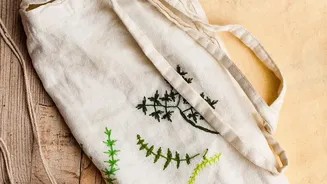
The container sets the stage for your zero-waste hamper. Ditch single-use plastics and opt for packaging that has a second life. Wicker or bamboo baskets, jute bags, and wooden crates are not only sturdy and reusable but also support local craftsmanship. These can be repurposed by the recipient for home storage or decor. For fillers, avoid plastic grass. Instead, use natural and compostable materials like shredded kraft paper, dried leaves, or even colourful shredded paper from old magazines. Another beautiful technique is Furoshiki, the Japanese art of wrapping gifts in cloth. A beautiful scarf or a handloom cotton fabric can be used to elegantly wrap the contents, becoming part of the gift itself.
The Fillers: Curating Thoughtful, Eco-Friendly Goodies
With the plant and basket chosen, it's time to add complementary items that align with the zero-waste, artisan theme. The key is to select products that are consumable, useful, or sustainably made. Think of items that come in glass jars, tins, or compostable packaging. Supporting local producers adds a meaningful story to your gift. Consider including gourmet foods like artisanal jams, raw honey, organic herbal teas, or fair-trade chocolates. Natural, handmade wellness products are another great addition; think of handmade soaps, beeswax candles, or solid shampoo bars that reduce packaging waste. Zero-waste lifestyle items like bamboo toothbrushes, reusable cotton tote bags, or beeswax food wraps are both practical and encouraging for a sustainable lifestyle.
The Art of Assembly: Creating a Beautiful Arrangement
Assembling the hamper is where your creativity comes to life. Start by creating a stable base with your chosen filler material, like shredded paper. Place the potted plant first, usually towards the back or in the centre, as it's the heaviest and tallest item. Arrange the other gifts around it, placing larger items first and filling in the gaps with smaller treasures. Think about colour, texture, and height to create a visually appealing display. You want the hamper to feel full and cohesive, not half-empty. Tuck fillers into any empty spaces to ensure items don't shift around. The goal is to create an arrangement that looks thoughtfully and professionally put together, delighting the recipient from the moment they see it.
The Final Flourish: Adding a Personal, Sustainable Touch
The final details elevate your hamper from a collection of items to a truly personal gift. Instead of plastic ribbons and glossy, non-recyclable tags, opt for natural alternatives. Use jute twine or cloth ribbons to tie around your hamper. For a gift tag, get creative with seed paper, which can be planted by the recipient to grow flowers or herbs. Alternatively, you can make your own tags from recycled cardboard or upcycled materials like old greeting cards. A handwritten note explaining the sustainable story behind the hamper adds a deeply personal touch that recipients appreciate. These small, conscious choices reinforce the hamper's zero-waste ethos and show the depth of your thoughtfulness.