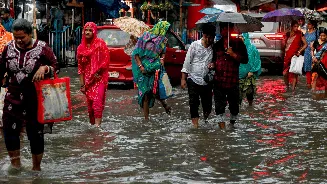









The Forecast Explained
The Regional Meteorological Centre in Bhubaneswar has forecast heavy rainfall across Odisha to continue until at least June 30. [5] The current weather pattern is driven by an active southwest monsoon, which is bringing widespread showers, thunderstorms
with lightning, and gusty winds reaching speeds of 40-50 kmph to several districts. [4, 5] While this provides relief from the recent heat, the intensity of the rainfall has prompted the IMD to issue specific warnings. [5, 21] Residents can expect fairly widespread to widespread rain to continue into early July. [19] This is part of a larger monsoon system that is also advancing into northern India. [5]
Which Districts Are on High Alert?
The IMD has issued a combination of orange and yellow warnings for numerous districts. An orange warning, indicating a need for preparedness, has been issued for June 28-29 for districts including Baleshwar, Bhadrak, Jajpur, Kendrapada, Jagatsinghpur, Cuttack, Kendujhar, Mayurbhanj, Kalahandi, Kandhamala, Nabarangapur, Rayagada, Koraput, Malkangiri, Gajapati, and Ganjam. [4] A yellow warning has been issued for districts such as Anugola, Dhenkanal, Boudh, Puri, Khordha, and Nayagad. [4] For June 29-30, the orange warning for thunderstorms continues for several coastal and northern districts, with specific heavy rainfall predicted for Nabarangapur and Koraput. [4] Koraput district is under an orange warning for very heavy rainfall from June 30 to July 1. [4]
Potential Impacts on Daily Life
Such intense rainfall poses several risks. Historically, heavy rains in Odisha have led to significant disruptions, including waterlogging in low-lying urban areas, flash floods, and damage to infrastructure like roads and bridges. [7, 9] The agricultural sector is particularly vulnerable, with past floods destroying vast areas of cropland. [12] Residents may face traffic disruptions, power outages, and an increased risk of vector-borne diseases like dengue and malaria, which thrive in stagnant water. [11] The combination of heavy rain and overflowing river systems like the Mahanadi, Brahmani, and Baitarani has previously caused widespread damage, especially in the coastal delta region. [9, 18]
Government Preparedness and Advisories
In anticipation of the monsoon, the Odisha government has already rolled out a detailed Standard Operating Procedure (SOP) for all Urban Local Bodies (ULBs) to handle potential urban flooding. [13, 14] This proactive plan, initiated in May 2026, includes 100% verification and repair of drainage systems and manholes, desilting drains, and identifying vulnerable low-lying zones for targeted intervention with pump sets. [11, 20] ULBs have been instructed to establish 24/7 control rooms to manage issues like drinking water supply and drainage congestion. [15] Authorities have advised farmers, fishermen, and residents in vulnerable areas to remain cautious. [5] People are urged to avoid open fields during lightning and take necessary safety measures during heavy downpours. [5, 22]
An Essential Safety Checklist for Residents
Given the forecast, it is crucial for residents to take proactive safety measures. Authorities advise staying indoors during thunderstorms and avoiding open areas to protect against lightning. [10] Do not take shelter under trees. [22] Secure loose objects on your property that could be blown away by gusty winds. Prepare an emergency kit with essentials like a flashlight, batteries, first-aid supplies, non-perishable food, and clean drinking water. Keep your mobile phones charged. Avoid driving or walking through waterlogged streets, as there may be hidden dangers like open manholes or submerged debris. Stay updated with the latest weather advisories from the IMD and follow instructions from local authorities.