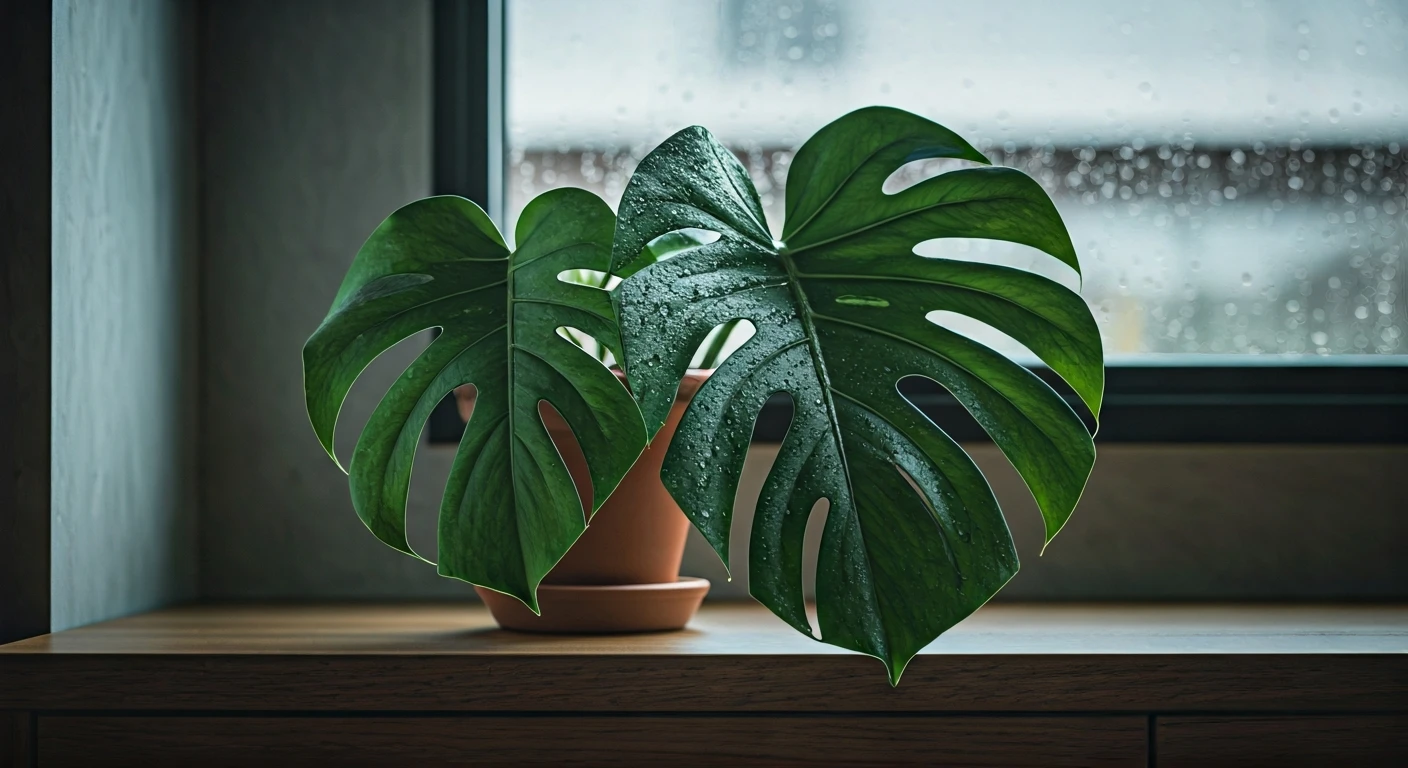


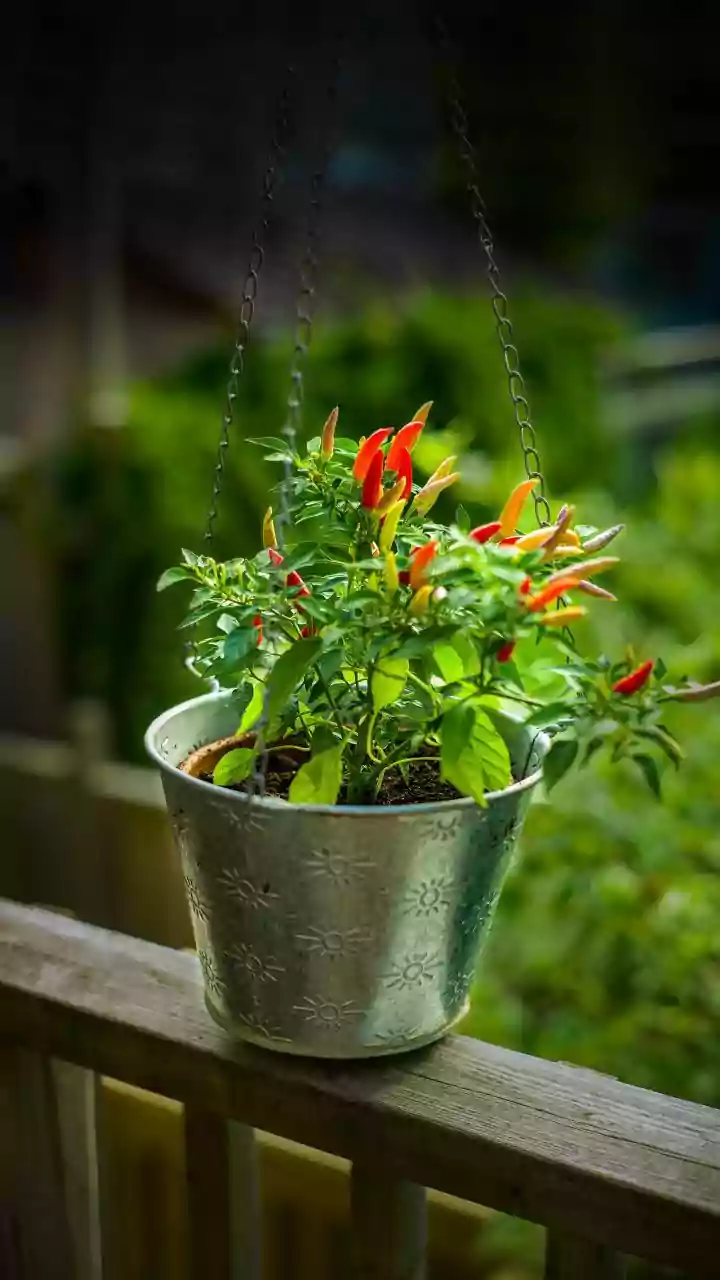






1. Adjust Your Watering Routine
This is the golden rule of monsoon plant care. With high humidity and frequent rain, the soil retains moisture for much longer. The biggest danger is overwatering, which leads to root rot—a plant killer. Before you reach for the watering can, perform
the finger test: stick your finger about an inch into the soil. If it feels damp, wait. Water only when the topsoil is completely dry. For outdoor potted plants, ensure they aren't getting drenched by continuous rain. If possible, move them to a covered balcony or under an eave where they get moisture from the air but aren't waterlogged.
2. Prioritise Drainage and Aeration
Waterlogged soil suffocates roots. During the monsoon, excellent drainage is non-negotiable. Check that your pots have drainage holes and that they aren't clogged. You can gently poke the holes with a stick to clear them. If your plants are in decorative pots without holes, it's time to drill some or use the 'double potting' method, where the plant sits in a nursery pot inside the larger decorative one. Also, consider aerating the soil. Gently poke the soil with a small stick or fork to create air pockets, which helps the roots breathe and prevents compaction from heavy rains.
3. Watch for Pests and Fungi
The damp, humid conditions of the monsoon are a paradise for pests and fungal diseases. Be extra vigilant. Regularly inspect the undersides of leaves, stems, and the soil surface. Look for common culprits like mealybugs (white, cotton-like clusters), aphids, and fungus gnats. Fungal issues like powdery mildew (a white dusty coating on leaves) and black spot are also rampant. To combat this, ensure good air circulation around your plants—don't crowd them together. For a natural fix, a simple spray of neem oil solution every 10-15 days acts as a great preventive measure against both pests and fungi.
4. Manage Sunlight and Location
Overcast skies mean less sunlight, which can be a problem for sun-loving plants. Your indoor plants that were happy in a corner might now need a brighter spot. Move them closer to a window, preferably one that is east-facing to catch the gentle morning light. Rotate your pots every few days so all sides of the plant get some light. For outdoor plants, the reduced intensity of the sun is often a welcome break after the harsh summer. However, ensure they aren't in complete shade all day. It’s all about finding that balance.
5. Prune with Purpose
The monsoon is a fantastic time for pruning. The increased humidity encourages new growth, so your plants will recover quickly. Trimming away overgrown, leggy, or yellowing branches not only makes your plant look better but also improves air circulation, further reducing the risk of fungal infections. Don't throw away the cuttings! This is also the perfect season for propagation. The high moisture in the air helps cuttings of plants like money plants, snake plants, and philodendrons root easily in water or soil.
6. Go Easy on the Fertiliser
Plants generally experience a period of active growth during the monsoon, but this doesn't mean they need a lot of fertiliser. The cloudy weather slows down photosynthesis, so they can't use up nutrients as quickly. Over-fertilising can lead to 'fertiliser burn,' damaging the roots. It's best to reduce the frequency and strength of your fertiliser during this season. If you must feed them, use a diluted liquid fertiliser or a slow-release organic option like vermicompost once a month. Let the plants focus on drawing natural nutrients and adjusting to the weather.