


A New Way to Travel
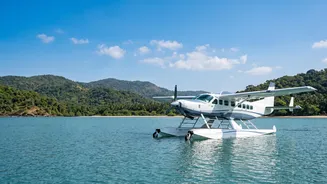
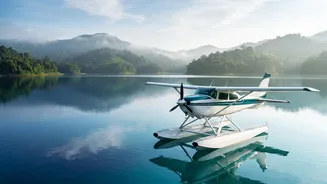
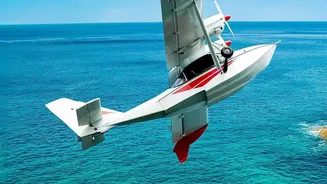
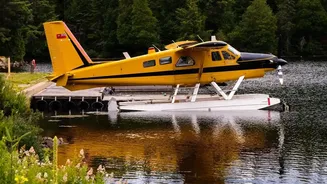
A seaplane is a fixed-wing aircraft designed to take off from and land on water. Unlike conventional airplanes that require sprawling runways, seaplanes can operate from lakes, rivers, and coastal waters, making them perfectly suited for a country with
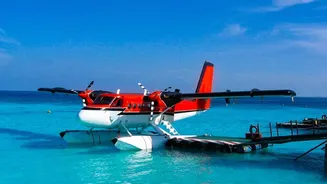
a vast coastline and extensive inland waterways. This capability opens up a new frontier for travel, allowing direct access to destinations that were previously hard to reach. Typically using versatile and reliable aircraft like the 19-seater DHC-6 Twin Otter, these services bypass the need for extensive airport infrastructure, offering a nimble solution to last-mile connectivity.
Connecting India’s Hidden Gems
The push for seaplane services is part of a larger national vision to enhance regional connectivity, a key objective of the government's UDAN (Ude Desh ka Aam Nagrik) scheme. By including water aerodrome routes, the scheme encourages airlines to connect underserved and unserved areas, making air travel more accessible and affordable. After some initial trial services, including a notable route from Ahmedabad’s Sabarmati Riverfront to the Statue of Unity that was paused, the focus has been renewed. New companies like SkyHop Aviation have received regulatory approvals to begin commercial operations, with initial focus on crucial links like connecting the Lakshadweep islands to the mainland. This is a game-changer, potentially cutting travel times from an overnight ferry ride to just over an hour.
The Ultimate Travel Experience
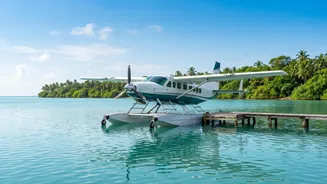
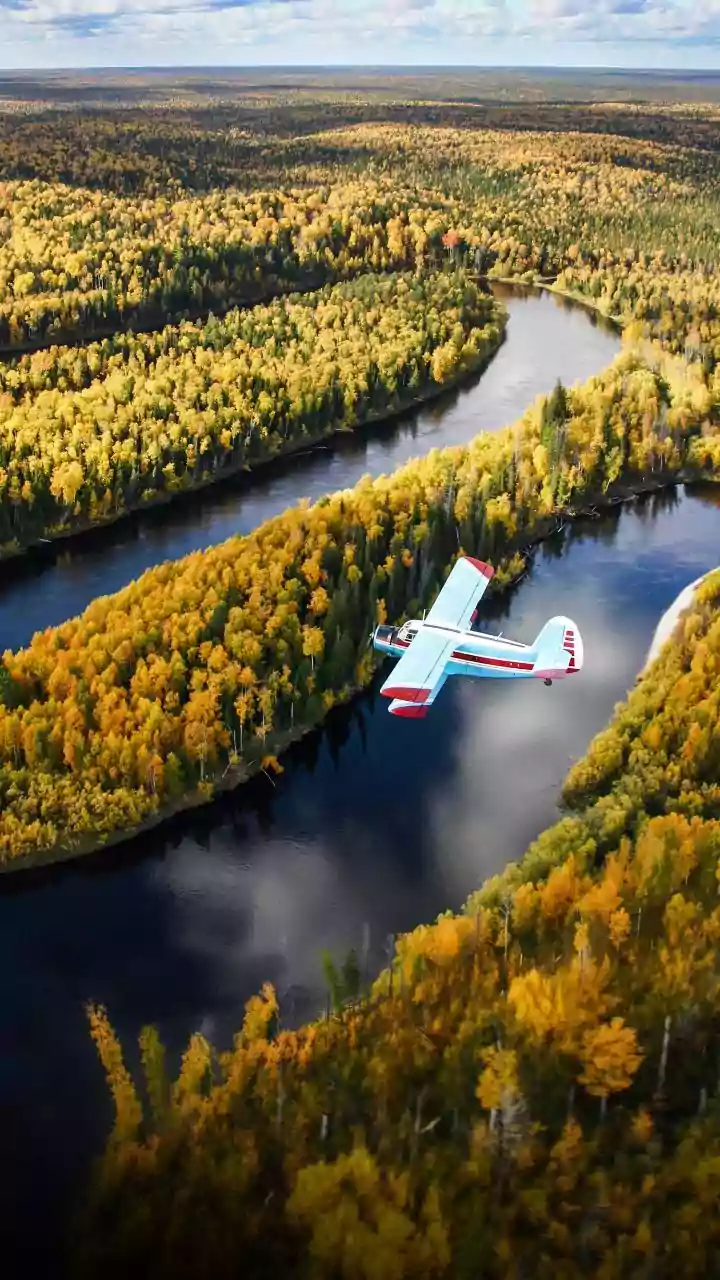
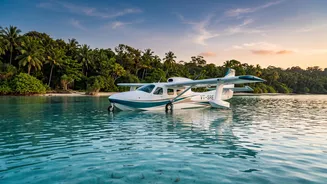
For travellers, a seaplane journey is an experience in itself. The thrill begins with a water takeoff and is followed by a low-altitude flight offering breathtaking aerial views of the landscape below. Instead of the usual airport hassle, you arrive directly at a floating jetty or a beach, often at the doorstep of your resort. This transforms the journey from a mere commute into a memorable part of the vacation. Proposed routes in states like Kerala aim to connect tourist hotspots like Kochi with backwater retreats and hill station reservoirs in Munnar, reducing a four-hour road journey to under 30 minutes. This convenience allows tourists to spend less time in transit and more time enjoying their destination.
Boosting Tourism and Local Economies
The introduction of seaplanes is more than just a novelty; it’s a significant economic driver. By opening up remote locations, it catalyses tourism in areas with immense natural beauty but poor accessibility. This encourages the development of high-quality, low-impact resorts and homestays, creating jobs and opportunities for local communities. For instance, planned services in Andhra Pradesh are set to connect destinations like Vijayawada with religious and eco-tourism spots such as Srisailam and Araku. Similarly, improved connectivity in island territories like Lakshadweep and the Andaman and Nicobar Islands not only boosts tourism but also provides a vital lifeline for residents, offering faster access for medical emergencies and other essential travel.
The Flight Path Ahead
While the potential is immense, the path to a widespread seaplane network has faced challenges, including high operational costs and regulatory hurdles that caused earlier projects to falter. However, with renewed government focus through the UDAN scheme and private players like SkyHop and SpiceJet gearing up for operations, the future looks promising. SpiceJet has announced plans to operationalize services on 20 routes starting in 2025, covering locations in Lakshadweep, Guwahati, Shillong, and Hyderabad. There is even talk of a sustainable future, with operators exploring the possibility of introducing electric seaplanes in the coming years. These developments signal a clear intent to make water-based aviation a key part of India's regional transport network.