
Embrace Multi-Functional Furniture
When square footage is a luxury, every piece of furniture must earn its place. The key is to invest in items that serve multiple purposes. Think of a sleek sofa that folds out into a comfortable bed for guests, or an elegant ottoman that opens up to reveal
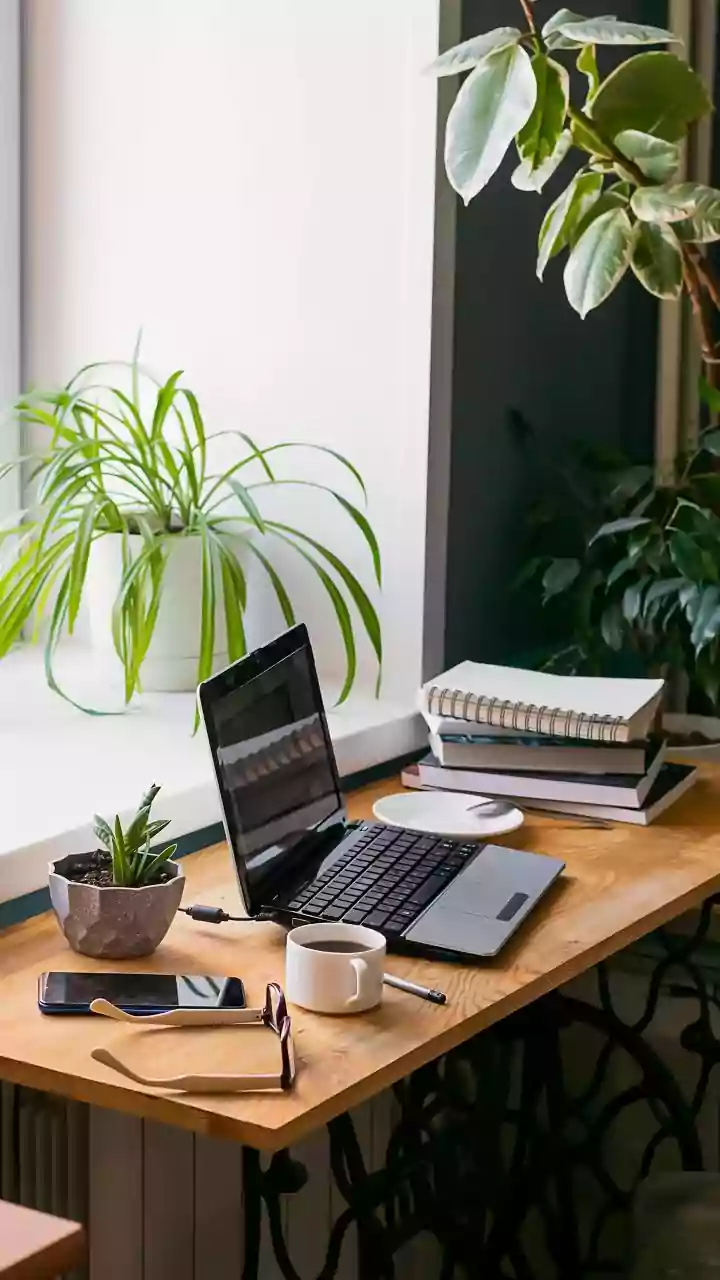
hidden storage for blankets and magazines. A lift-top coffee table can transform from a casual surface into a work-from-home desk in seconds. Even your dining area can be flexible; consider an extendable table that stays compact for daily use but expands to welcome friends. This approach ensures your home is ready for anything, without feeling crowded with single-use items.
Utilize Your Vertical Space
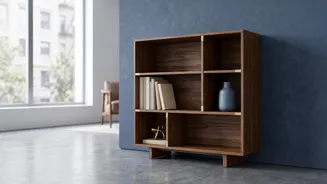
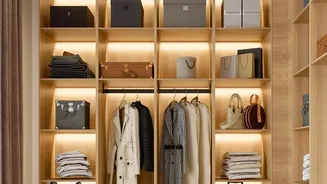
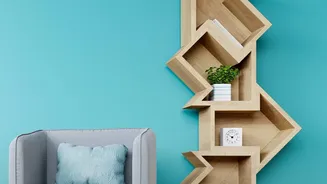
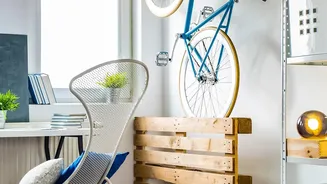
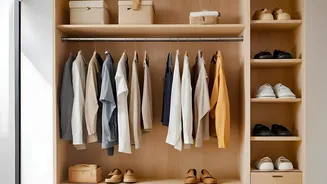
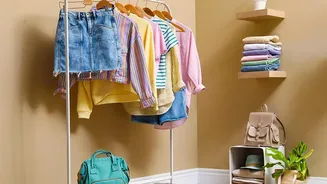
One of the most underutilized assets in any small apartment is the wall space. Instead of cluttering the floor, draw the eye upward. Floor-to-ceiling bookshelves or tall, narrow cabinets create an illusion of height while offering significant storage. Floating shelves are another excellent option; they provide a home for books, plants, and decor without the visual bulk of traditional bookcases. Don't forget the space over doors or in corners, which can be perfect for custom shelving to store items you don't need every day. By thinking vertically, you free up valuable floor space, making the room feel more open and organized.
Play with Light and Mirrors
Light is your best friend in a small space. One of the oldest tricks in the design book is using mirrors to create an illusion of depth and space. A large mirror placed opposite a window can dramatically brighten a room by reflecting natural light, making the area feel larger and more open. Even mirrored furniture, like a console table or a wardrobe, can contribute to this effect by bouncing light around. Beyond mirrors, focus on layered lighting. A combination of overhead fixtures, floor lamps, and table lamps allows you to control the mood and ensures no corner is left in the dark, which can make a room feel smaller.
Choose a Cohesive Colour Palette
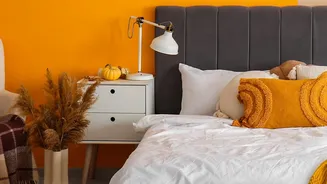
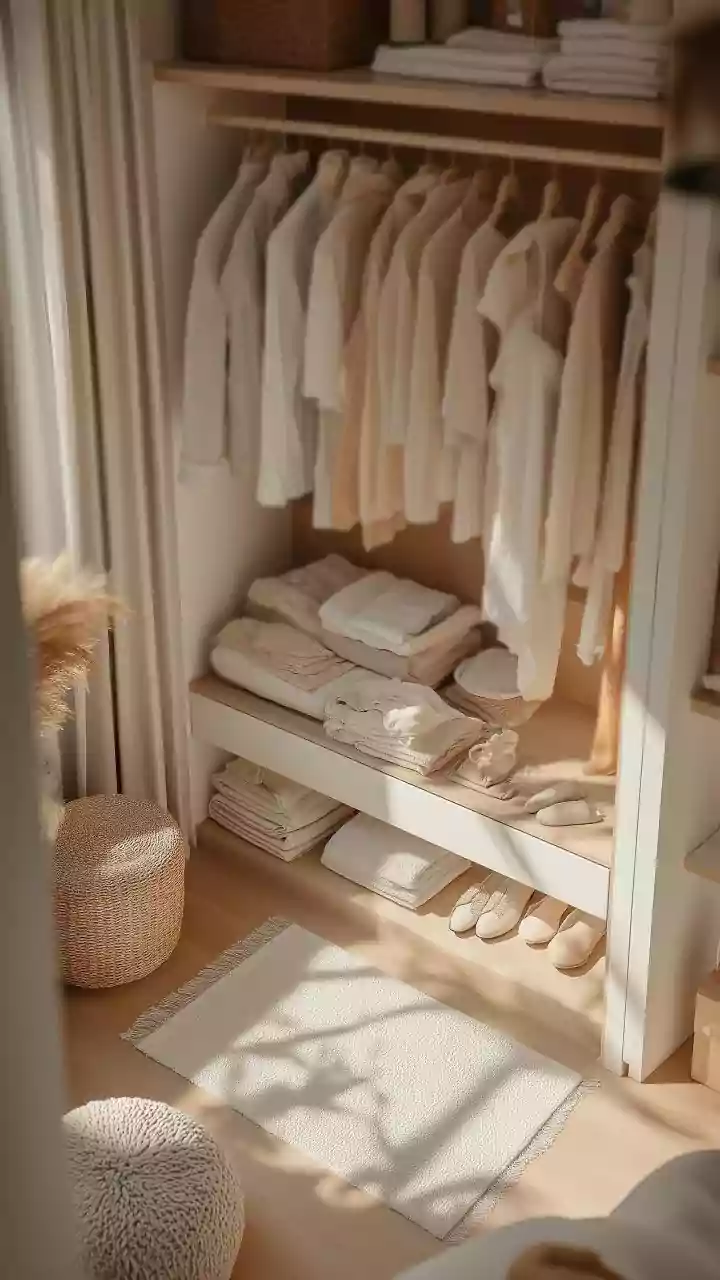
Your colour choices have a huge impact on the perception of space. A light, neutral colour palette—think whites, soft greys, and beiges—can make an apartment feel more airy and expansive. These colours serve as a calm backdrop, reflecting light and creating a sense of cohesion between different areas. This doesn't mean your home has to be boring. You can introduce personality and vibrancy with pops of colour through accessories like throw pillows, artwork, rugs, and plants. This strategy allows you to easily update your decor without committing to a bold wall colour that might visually shrink the space.
Opt for 'Floating' Furniture
To create a sense of openness, choose furniture that has a lighter visual profile. Pieces that are raised off the floor on slender legs—such as mid-century modern sofas, consoles, and chairs—allow you to see more of the floor, which tricks the eye into perceiving a larger area. Bulky, heavy furniture that sits directly on the ground can make a room feel weighed down and cramped. Transparent furniture, like an acrylic coffee table or clear dining chairs, takes this concept a step further. These pieces serve their function without adding visual clutter, helping to maintain an uninterrupted flow through the space.
Define Zones with Rugs and Layout
In a studio or open-plan apartment, creating distinct 'zones' for different activities is essential for practicality. You can do this without building walls. Use area rugs to visually separate the living area from the dining space or your workspace. The arrangement of your furniture can also create natural divisions. For instance, placing your sofa with its back to your desk area can create a subtle but effective boundary. This not only makes the apartment more functional but also helps it feel more organized and intentional, preventing the feeling that everything is jumbled into one room.