




The Wisdom of a Lighter Diet
The month of Shravan, dedicated to Lord Shiva, is a time of spiritual observance for many Hindus, often involving fasting. But beyond its religious significance lies a profound logic rooted in Ayurveda and seasonal well-being. The monsoon season is a time when
the digestive system is considered weaker. The traditional Shravan diet, or 'vrat' food, is designed to be light, clean, and easy on the gut. This means abstaining from 'tamasic' (heavy) foods like non-vegetarian items, onions, and garlic, as well as regular grains and certain spices. The result is a 'sattvik' diet that aims to keep the body light and the mind calm during the humid, sluggish weeks of rain.
Grains and Flours for Fasting
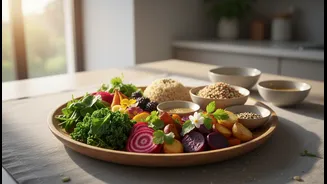
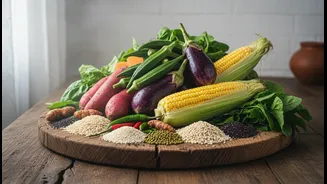
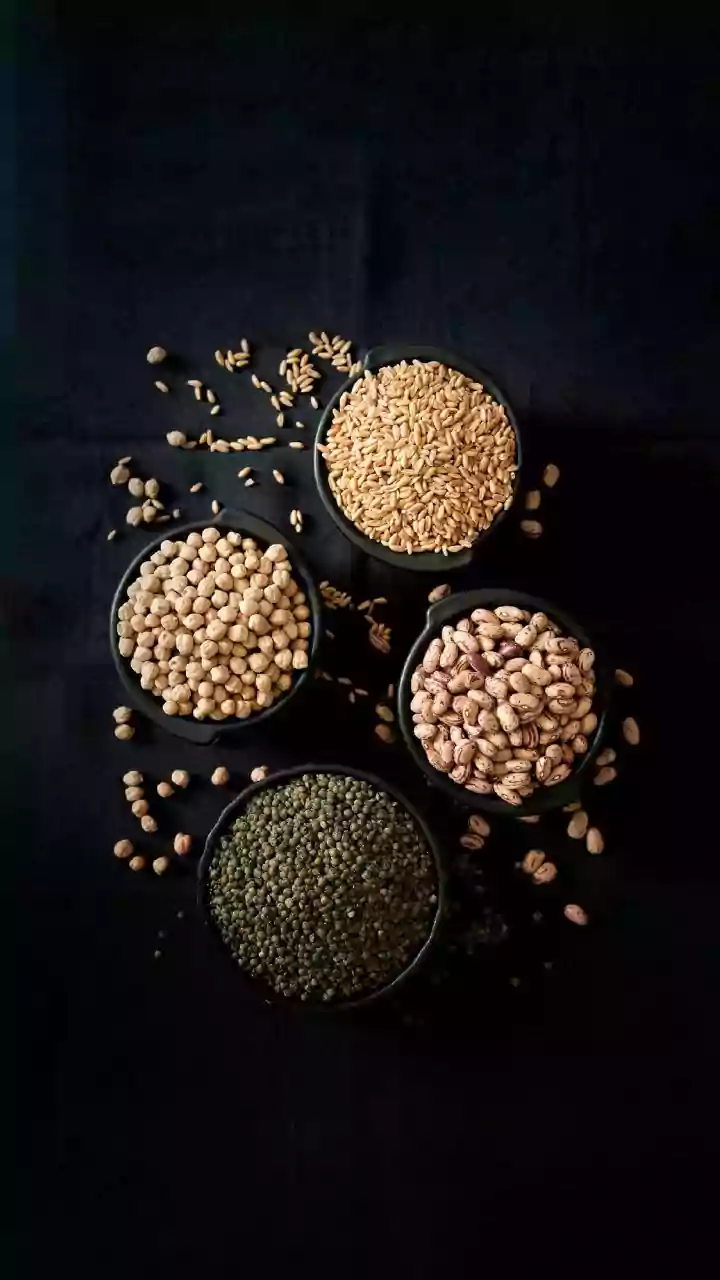
A Shravan plate swaps regular wheat and rice for a unique set of alternatives that are both nutritious and fasting-friendly. Flours like kuttu (buckwheat), singhara (water chestnut), and rajgira (amaranth) become staples. These are not only gluten-free but are also rich in protein and fibre, providing sustained energy. Sabudana (tapioca pearls) is another fasting hero, used to make comforting khichdi, vadas, or kheer. Samak rice, or barnyard millet, serves as a light substitute for regular rice, perfect for making pulao or kheer. These ingredients are chosen for their easy digestibility and ability to provide energy without being heavy.
The Role of Vegetables and Dairy
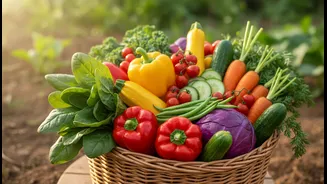
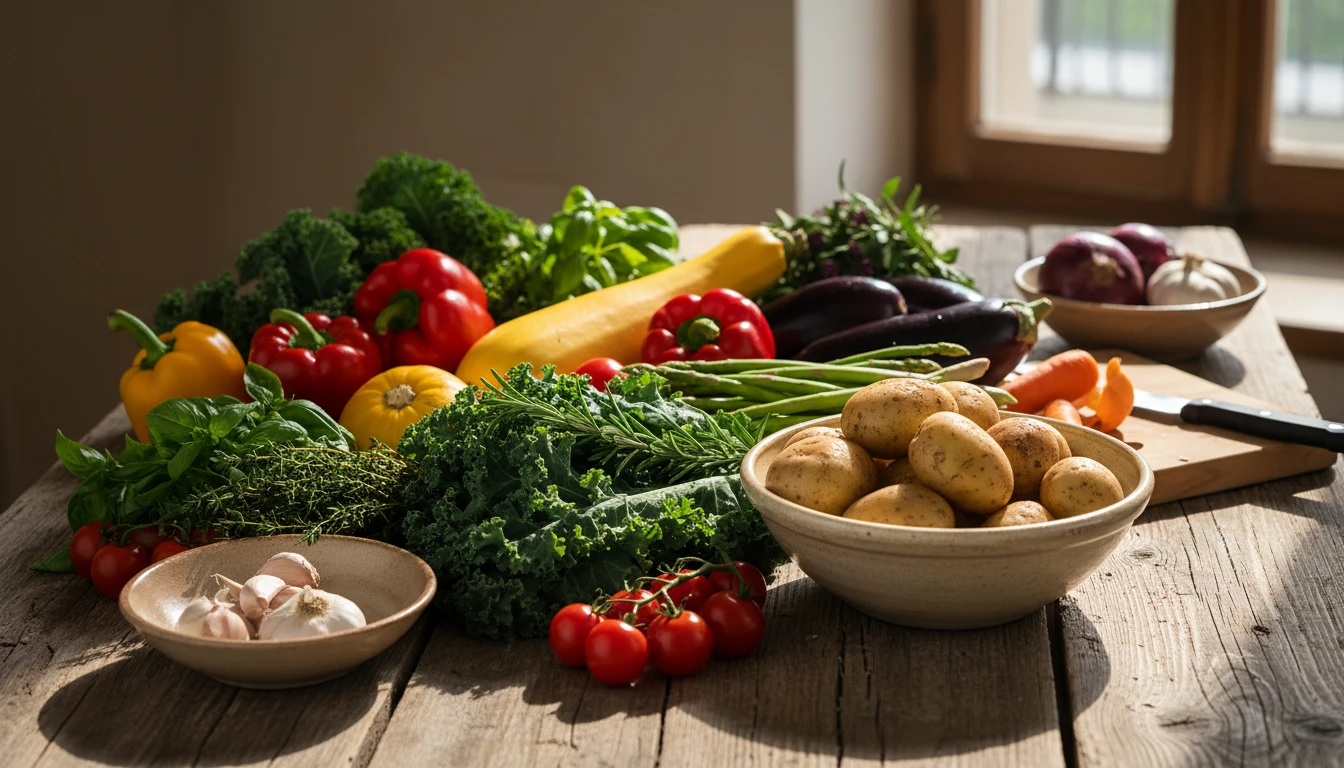
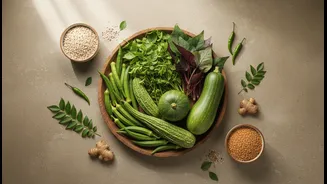
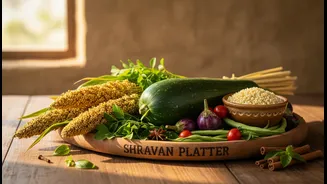
The vegetable basket during Shravan is filled with seasonal gourds like lauki (bottle gourd), along with pumpkin and root vegetables like potatoes, sweet potatoes, and yams. These vegetables are typically cooked in simple preparations, seasoned with sendha namak (rock salt) instead of regular table salt. Dairy plays a crucial role in providing protein and calcium. Milk, curd (dahi), paneer, and buttermilk are all welcome additions that keep you full and nourished. Nuts and peanuts are also widely used, either roasted as a snack or ground into gravies to add richness and healthy fats.
Spices and Seasonings
The spice box also undergoes a transformation during Shravan. Heavy, heat-producing spices like garam masala, turmeric, and mustard are often avoided. Instead, the focus is on cooling and digestive spices. Cumin, green chillies, ginger, and black pepper are commonly used to add flavour without overwhelming the system. This subtle seasoning allows the natural flavours of the vegetables to shine through and supports the body’s digestive process during a time when it is naturally weaker. Sendha namak is the preferred salt, valued for its purity and mineral content.
Health Benefits Beyond the Spiritual
Following a Shravan-style diet, even for a short period, can offer several health benefits. The emphasis on fruits, vegetables, and gluten-free grains gives the digestive system a much-needed rest. This period of clean eating acts as a natural detox, helping to flush out toxins from the body. The diet is rich in fibre, which aids digestion and promotes gut health. Many people experience improved energy levels, better skin, and even modest weight management. By aligning food choices with the season, the Shravan diet boosts immunity, which is particularly important during the monsoon when infections are common.
Simple Shravan Meal Ideas
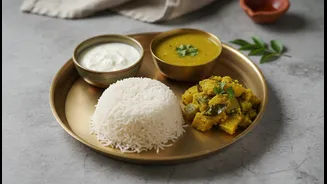
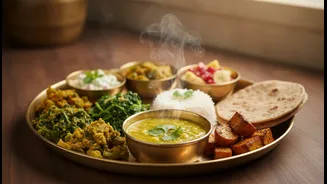
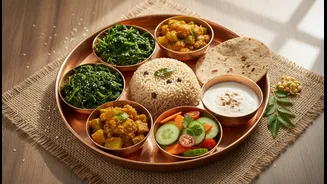
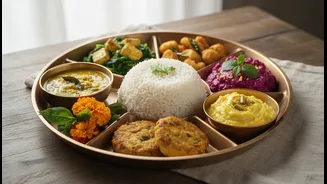
Putting together a Shravan plate is simple. For a filling lunch, you could have Sabudana Khichdi tossed with peanuts and potatoes, served with a side of plain yogurt. Another classic meal is Kuttu ki Puri (buckwheat flatbreads) paired with a simple potato curry seasoned with cumin and green chillies. For a light dinner, Samak Rice Pulao cooked with vegetables is an excellent option. Snacks can include roasted makhana (fox nuts), a handful of dry fruits, or a simple fruit chaat made with seasonal fruits like apples and bananas.