




The Boom Reaches India's Heartland
For years, the story of India's digital economy was written in its megacities. But as online shopping becomes a way of life for millions more, the logistical backbone of e-commerce is rapidly decentralizing. To meet the demand for faster deliveries in every
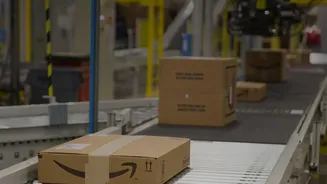
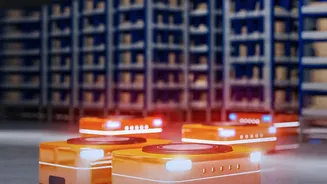
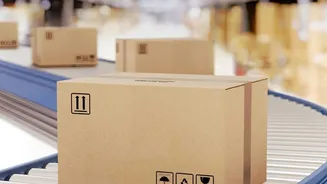
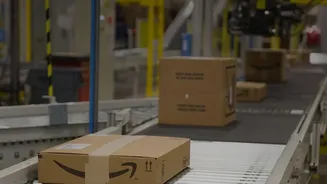
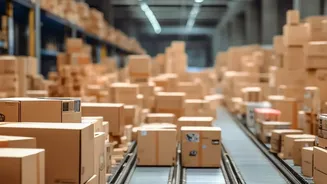
corner of the country, giants like Flipkart, Amazon, and Meesho, alongside logistics specialists such as Delhivery and Blue Dart, are aggressively expanding their footprint. This strategic shift involves building massive fulfillment centers, sortation hubs, and last-mile delivery stations in Tier 2 and Tier 3 cities. The core logic is simple: move inventory closer to the customer. This 'hub-and-spoke' model not only slashes delivery times and costs but also unlocks enormous economic potential far from the traditional commercial hubs of Mumbai, Delhi, and Bengaluru.
Mapping the New Opportunity Hubs
This expansion is redrawing India's employment map. Cities like Lucknow, Jaipur, Coimbatore, Nagpur, Indore, and Guwahati are emerging as the new nerve centers of the supply chain industry. These regional centers are attractive due to the availability of land for large warehouses, lower operational costs, and a ready workforce. Recent festive seasons have acted as a massive catalyst, with companies creating lakhs of seasonal and long-term jobs to handle the surge in orders. Flipkart, for instance, announced the creation of over 2.5 lakh direct and indirect jobs, adding more than 900 new delivery hubs specifically to cater to rising demand in these smaller cities. Amazon India has similarly bolstered its network with over 1.6 lakh seasonal roles, while Meesho's ecosystem has generated over 10 lakh opportunities. This investment isn't just about temporary hiring; it's about building permanent infrastructure that forms the foundation for sustained employment.
A New Spectrum of Jobs
The image of e-commerce employment is often limited to delivery riders, but the reality is far more diverse. While last-mile delivery roles do account for a significant portion of the hiring—Flipkart reported that 60% of its new festive roles were in this category—the opportunities extend deep into the supply chain. Inside these state-of-the-art fulfillment centers, a wide variety of skilled and semi-skilled jobs are available. These include warehouse associates, pickers, packers, sorters, inventory controllers, and forklift operators, with structured salaries often ranging from ₹18,000 to ₹30,000 per month plus benefits. Beyond the warehouse floor, there's a growing need for team leaders, shift supervisors, logistics coordinators, data analysts, and area managers, offering clear paths for career progression from an entry-level position to a managerial role.
A Chance to Build a Career at Home
Perhaps the most significant impact of this trend is social. For decades, ambitious young people from smaller towns have had to migrate to metropolitan areas in search of opportunity, often facing high living costs and crowded conditions. The growth of logistics hubs in Tier 2 cities presents a powerful counter-narrative. It offers a viable path to a stable, formal-sector career without leaving one's hometown. Reports indicate that a significant percentage of these new jobs are going to first-time entrants to the workforce, providing crucial early career experience. Furthermore, companies are making concerted efforts to build a more inclusive workforce, with women now comprising over 20% of Flipkart's supply chain employees. This trend not only distributes economic growth more evenly but also helps strengthen local communities by retaining talent.