





The Rise of the 'Micro-Holiday'
The traditional annual vacation is making way for the 'micro-holiday'. Instead of one long trip, families are increasingly opting for multiple short breaks throughout the year, especially during the festive season. Recent data shows a significant uptick
in this trend, with festive bookings for 2026 already running about 50% ahead of the previous year. This shift is driven by several factors. For one, shorter trips are more budget-friendly and easier to plan around busy work and school schedules. They allow families to escape the city bustle without the stress and expense of long-distance travel, avoiding airport chaos and lengthy car rides. The typical festive trip now lasts just two nights, with many bookings made spontaneously, sometimes even on the day of arrival. This desire for quick, refreshing breaks is fundamentally changing India's domestic travel landscape.
An Economic Lifeline for Local Hubs
This wave of short-distance travellers is a powerful economic engine for regional and Tier-II cities. While major tourist hubs have always drawn crowds, this trend funnels money directly into smaller towns and emerging leisure corridors. The biggest beneficiaries are alternative accommodation providers like homestays, villas, and boutique guesthouses. This sector is seeing explosive growth, with digitally listed properties more than doubling in recent years and the market projected to reach nearly $4.7 billion by FY29. Unlike large hotel chains, where revenue can be centralized, spending at local homestays and eateries circulates directly within the community. It supports local artisans, tour guides, and small business owners, creating jobs and stimulating growth in areas that have historically had limited industrial opportunities. For every rupee a tourist spends, it can create up to two rupees of additional economic activity, demonstrating a substantial multiplier effect.
Spotlight on Emerging Hotspots
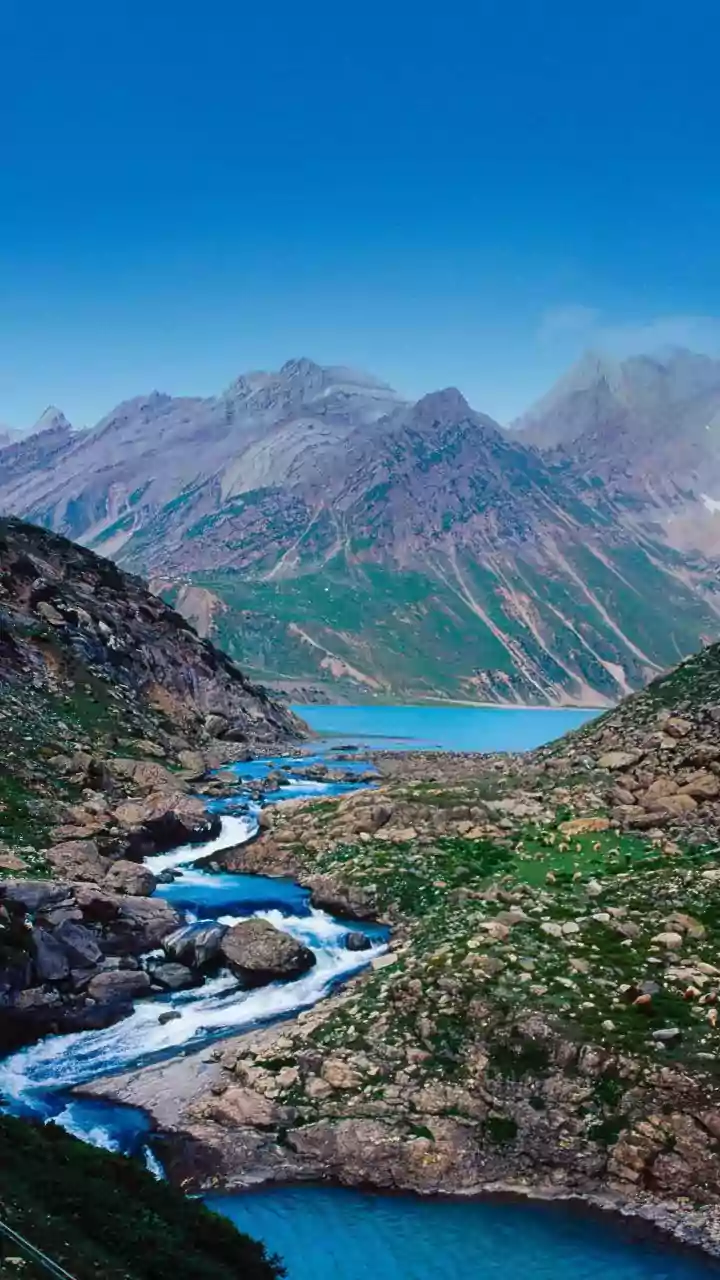
So, where are these travellers headed? The data points to destinations that offer a quick change of scenery within a few hours' drive from major metros. For those in Delhi-NCR, Himalayan getaways are booming. Destinations in Himachal Pradesh like Sangla, Kalpa, and Shoja have seen bookings grow by nearly three times compared to the previous year. Near Mumbai and Pune, the coastal towns of the Konkan region are popular choices. In the south, places like Hampi, Gokarna, Varkala, and the hill stations of Ooty and Munnar are drawing significant festive crowds. Even cities like Jaipur and Rishikesh remain perennial favourites for a quick cultural or spiritual reset. This growth isn't just happening in traditional tourist spots; improved road and rail connectivity is turning previously overlooked towns into viable weekend destinations.
More Than Just Money: Cultural and Social Gains
The benefits of this travel trend extend far beyond economic metrics. The rise of homestays, in particular, fosters a unique cultural exchange. Travellers are increasingly seeking authentic experiences—they want to engage with local culture, taste regional cuisine, and understand the heritage of a place. This interest provides local communities with a strong incentive to preserve and celebrate their traditions, from folk art to festivals. Furthermore, the influx of tourism often acts as a catalyst for infrastructure development. To meet traveller demands, local authorities and entrepreneurs invest in better roads, improved sanitation, and enhanced digital connectivity. This not only benefits tourists but also improves the quality of life for permanent residents, creating a cycle of sustainable development and community pride.