





The festive season is upon us, and with it comes the annual scramble for tickets home. In the chaotic world of last-minute travel, the biggest question is where to book. Should you go straight to the airline or use an aggregator? Let's break it down.
The Aggregator Advantage: A World of Choice
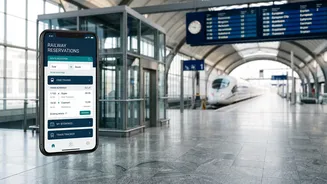
Online travel agencies (OTAs) or aggregator portals like MakeMyTrip, Goibibo, and Skyscanner are often the first stop for travellers. Their biggest selling point is convenience. In a single search, you can compare fares from dozens of airlines, saving you the tedious task of visiting each airline's website individually. This is invaluable when you're short on time and every minute counts. Aggregators also frequently offer bundled deals, combining flights and hotels at a discounted rate. For travellers whose plans are fixed, these portals can sometimes offer lower prices thanks to credit card offers and special promotions, even after accounting for their convenience fees. They provide a one-stop-shop experience, which is perfect for those who want to see all their options laid out clearly before making a choice.
The Direct Route: Reliability and Rewards
Booking directly with a carrier like IndiGo, Vistara, or Indian Railways offers a different set of advantages, centered on reliability and service. When you book direct, you 'own' the ticket, meaning you have a direct line of communication with the airline. This becomes critical during the festive rush when flights can be delayed or cancelled. Dealing directly with the airline for rebooking or refunds is almost always smoother and faster than going through a third-party intermediary. Furthermore, direct bookings ensure you receive loyalty points and status credits automatically, a significant perk for frequent flyers. Many airlines also offer special fares or ancillaries like extra baggage at a lower cost exclusively on their own websites.
Price Wars: Unmasking the Final Cost
While aggregators are great for comparing base fares, the price you see isn't always the price you pay. Many portals add a 'convenience fee' at the final payment stage, which can range from a few hundred to over a thousand rupees. These hidden charges, along with pre-selected insurance or seat-selection fees, can inflate the final cost. Direct airline sites have also started charging convenience fees, but comparing the final checkout price is crucial. For a true comparison, always proceed to the payment page on both the aggregator site and the direct airline website to see the total amount. A low headline fare on an OTA might end up being more expensive than an all-inclusive fare booked directly with the carrier.
Customer Service: Your Lifeline During Chaos
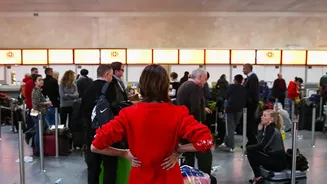
This is where booking direct often has a clear edge. During festive season disruptions—a common occurrence—airline customer service prioritises passengers who booked directly. If your flight is cancelled, airline staff can rebook you, but if you booked via an OTA, they will often instruct you to contact the portal. This adds a stressful layer of communication, often involving long hold times and less empowered customer service agents. Resolving issues like cancellations or schedule changes is far more streamlined when you are the airline's direct customer. For last minute, high stakes festive travel, this direct access can be a significant stress saver.
Flexibility: The Key to Last Minute Plans
Last minute travel often requires flexibility. If your plans might change, booking directly with the airline is generally safer. Airlines have clearer policies regarding fare classes, with differences between non refundable 'basic' fares and more flexible 'standard' fares clearly displayed. On aggregator sites, these distinctions can sometimes be obscured. When it comes to cancellations or changes, some OTAs add their own service fee on top of the airline's penalty, making it more expensive to alter your plans. Getting a refund can also be a slower process through a third party, as the money has to travel from the airline to the portal and then to you.