






The Vanishing Ink
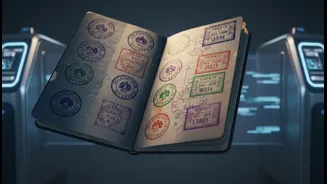
The colourful, sometimes chaotic, collection of stamps in a passport is a tangible record of journeys taken. It’s proof of entry, a conversation starter, and a prized souvenir. However, travelers are increasingly finding their passport pages conspicuously
blank after clearing immigration. A growing number of countries are phasing out physical stamps in favour of faster, more secure digital systems. Major travel hubs and regions have already made the switch. Australia stopped stamping passports in 2012, followed by places like Hong Kong and Israel in 2013. More recently, countries like Argentina, Peru, and Singapore have also gone digital. The most significant change for many travelers is happening across Europe. The 29 countries of the Schengen Area are completing the rollout of a new Entry/Exit System (EES), which will fully replace manual passport stamping for non-EU visitors by April 2026.
Efficiency, Security, and the Digital Border
The global move away from ink is driven by a desire for greater efficiency and enhanced security. Governments are implementing automated border control systems, often called e-gates, that use biometrics like facial scans and fingerprints to verify a traveler's identity against their electronic passport. The EU's new Entry/Exit System, for instance, digitally records the entry and exit of non-EU nationals, making it easier to track travel data and automatically detect overstayers. This automation aims to reduce queue times, standardize data collection across member states, and strengthen security by making it harder to use fraudulent documents. For the traveler, the first entry into a system like the EES involves registering biometric data, but subsequent crossings are expected to be much faster. This digital transformation moves the border control process from a physical interaction to a data-driven transaction.
More Than Just a Stamp
While governments praise the efficiency of digital borders, a community of travelers mourns the loss. For collectors, each stamp is a unique memento tied to a specific memory—the chaotic border crossing in Southeast Asia, the crisp Alpine entry in Switzerland, the vibrant insignia from a Caribbean island. The hobby of collecting these stamps is a close cousin to philately (stamp collecting), where the joy is in the history, geography, and art captured in a small square. It’s a physical representation of one's travel history, far more personal than a digital record stored on a server. This trend mirrors the broader decline of physical media, where digital convenience often comes at the cost of tangible ownership. With the disappearance of stamps, many feel a part of the romance and ritual of international travel is being lost.
The Future of Travel Souvenirs
All is not lost for those seeking to document their travels. While official stamps are disappearing in many places, the tradition is still alive elsewhere, particularly in parts of Asia, Africa, and the Middle East, where 137 countries still provide them. Some countries that are phasing out stamps may still issue them upon request at certain crossings, though this is becoming less common. In Europe's Schengen Area, once the EES is fully implemented, border officers will no longer issue stamps on request. In response, some travelers are turning to alternatives. Souvenir passport stamps from famous tourist sites, like Machu Picchu or Checkpoint Charlie, have become popular. Others are finding new ways to commemorate their trips, from collecting boarding passes and postcards to keeping detailed digital journals. As borders become invisible data checkpoints, travelers are adapting, finding new ways to hold onto the physical evidence of their adventures in an increasingly digital world.