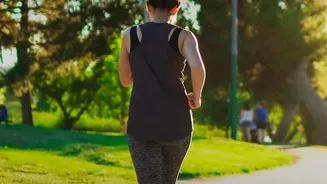








We all know that post-meal desire to sink into the couch. But what if the secret to better energy and health isn't a long, grueling workout, but a simple, short stroll you take right after eating? It's a small change with surprisingly big benefits.
The Science of the Post-Meal Walk
When
you consume a meal, particularly one rich in carbohydrates, your body breaks it down into glucose, which enters your bloodstream. This causes your blood sugar levels to rise. In response, your pancreas releases insulin to help shuttle that glucose into your cells for energy. However, large or rapid spikes in blood sugar can, over time, contribute to health issues. This is where a short walk works its magic. When you engage in light physical activity, your muscles begin to contract and draw glucose directly from the bloodstream for fuel. This process can happen even without high levels of insulin, providing an alternative pathway for your body to manage blood sugar. The result is a gentler, more gradual rise and fall in glucose levels, preventing the sharp peaks and subsequent crashes that can leave you feeling tired and sluggish.
How Short Is 'Short'?
The good news for the time-crunched is that you don't need a marathon session to reap the rewards. Research has shown that even two to five minutes of light walking can have a measurable effect on lowering post-meal blood sugar. Studies have found that a brief 10-minute walk taken shortly after eating can be highly effective. The ideal window seems to be within 60 to 90 minutes after you finish your meal, which is when blood glucose levels tend to be at their highest. Some experts suggest starting your walk about 10 to 15 minutes after eating to allow your food to settle. The key is consistency. A short walk after every meal adds up, contributing to better metabolic health and improved digestion by helping to reduce bloating and gas.
Not a Replacement, but a Powerful Complement
It's important to clarify that these short 'activity snacks' are not intended to replace your regular workout routine. Longer sessions of moderate-to-vigorous exercise are crucial for cardiovascular health, building strength, and overall endurance. Think of post-meal walks as a targeted tool with a specific job: managing the immediate glucose response to food. In this specific task, short walks after eating are often more effective than a single, longer workout performed hours later. By acting right when sugar is entering the bloodstream, they address the issue at its source. Therefore, the perfect strategy combines both: use short walks to manage your daily metabolic rhythm and maintain your structured workouts for long-term fitness.
Making It a Realistic Habit
Integrating this practice into your day is simpler than it sounds. It’s about seizing small windows of opportunity. After lunch at the office, instead of scrolling on your phone, take a five-minute walk around the building or use the stairs. If you work from home, a quick lap around the block or even pacing in your living room while on a call can be effective. After dinner, make it a family affair by taking a stroll together. The goal is to make it an automatic habit, like brushing your teeth. Start small by committing to a five-minute walk after just one meal each day. Once that feels easy, you can gradually increase the duration or add a walk after another meal. The focus should be on gentle, sustainable movement, not high-intensity effort.