







What Exactly is E20 Fuel?
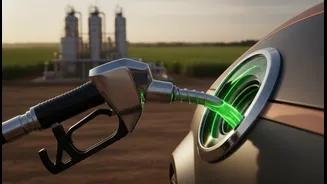
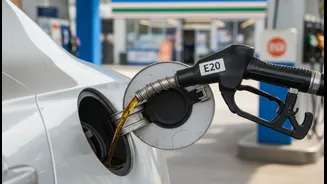
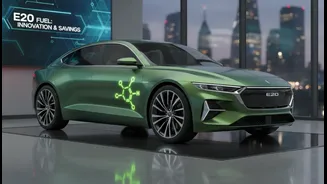
E20 fuel is a specific blend of petrol that contains 20% ethanol and 80% petrol. Ethanol is a biofuel, primarily produced in India from sugarcane and grains like maize and surplus rice. The nationwide rollout of E20 was completed in 2026, years ahead
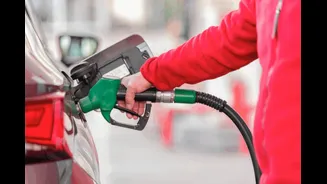
of the initial 2030 target, as part of a major government initiative. This policy aims to reduce India's heavy dependence on imported crude oil, lower carbon emissions, and provide a stable income stream for farmers by creating demand for their produce. For consumers, this has meant that E20 is no longer a specialty fuel but the new default petrol at pumps across the country.
The Real Reason for the Buzz: Price vs. Cost
The primary driver for consumer interest is the hope for a lower fuel bill. However, the pricing of E20 is more complex than it appears. Despite being 20% ethanol, E20 is not necessarily cheaper at the pump. The government has explained that the procurement price for domestically produced ethanol is currently high. At present global crude oil prices, it can actually be costlier to produce E20 than regular petrol. The real financial benefit, according to policymakers, is long-term price stability. By reducing reliance on volatile international oil markets, E20 helps cushion Indian consumers from sharp, sudden price hikes seen in neighboring countries. So, while you may not see immediate savings per litre, the blend is intended to prevent dramatic spikes in your fuel expenses over time.
Is Your Vehicle E20-Ready?
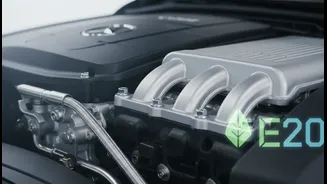
This is the most critical question for any vehicle owner. The good news is that most cars and two-wheelers sold in India from 2023 onwards were designed to be E20-compatible, with fully compliant models rolling out since 2025. These vehicles have engines, fuel lines, and seals specifically engineered to handle the higher ethanol content without any issues. For owners of older vehicles (typically pre-2023 models), the situation requires more attention. While the government and manufacturers state that E20 is generally safe for these cars, continuous use could potentially affect rubber and plastic components in the fuel system over time. The best course of action is to check your owner's manual or look for an 'E20 Compatible' sticker near the fuel filler cap. When in doubt, consulting an authorised service centre is advisable.
The Trade-Off: Mileage and Performance
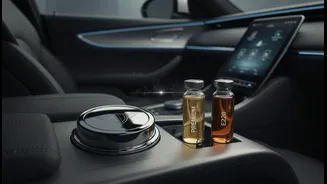
One of the most debated aspects of E20 is its impact on mileage. The science is straightforward: ethanol has a lower energy density than petrol, meaning it produces less energy per litre. Consequently, a vehicle running on E20 will burn slightly more fuel to cover the same distance. Most estimates place the potential reduction in fuel efficiency at around 5-10% compared to pure petrol. Some drivers have also reported slight changes in performance, such as slower acceleration. However, manufacturers who have calibrated new engines specifically for E20 claim these vehicles can offer optimised performance. Ultimately, the lower pump price is traded against a minor drop in mileage, a calculation budget-conscious drivers are now making with every tank fill.
The Nationwide Hunt: How to Find E20 Stations
With the nationwide rollout complete, finding E20 fuel is no longer a challenge—it's the standard petrol available. However, for urbanites who travel frequently or simply want to ensure they are filling up at a reputable station, tracking availability remains a key activity. All major Oil Marketing Companies (OMCs) like IndianOil, BPCL, and HPCL have updated their official apps and websites with fuel station locators. These digital tools allow users to find the nearest pump, check for specific fuel grades, and sometimes even view prices. Several third-party apps like Nawgati and FuelFind have also emerged, offering comprehensive maps of stations from various brands, making it easy for commuters to plan their refuelling stops.
More Than Just Savings: The Bigger Picture
While urban drivers focus on compatibility and cost-per-kilometre, the shift to E20 is part of a much larger national strategy. The Ethanol Blended Petrol (EBP) Programme is a cornerstone of India's plan for a cleaner, more self-reliant energy future. By successfully implementing E20, the country has significantly reduced its crude oil import bill, saving valuable foreign exchange. The policy also provides a massive boost to the rural economy by creating a sustained demand for agricultural products used in ethanol production. Furthermore, the cleaner-burning nature of E20 fuel contributes to reducing vehicular pollution in congested cities, aligning with India's broader climate and environmental goals. So, every litre of E20 used is a small contribution to these national objectives.