






The Monsoon Weather Myth
The primary reason July travel is more manageable is the significant drop in temperature. After the peak heat of May and June where temperatures can soar above 45°C, the monsoon arrives in early July, bringing temperatures down to a much more comfortable
range of 30°C to 38°C during the day. While humidity does increase, the state doesn't typically experience the continuous, torrential downpours seen elsewhere in India. Instead, travellers can expect intermittent showers that cool the air and settle the dust, often followed by sunny spells. This pattern breaks the relentless heat of summer, making sightseeing a far more pleasant prospect. Nights are also cooler, with temperatures dipping to between 22°C and 28°C.
A Landscape Reborn in Green
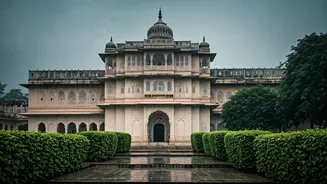
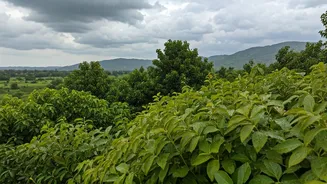
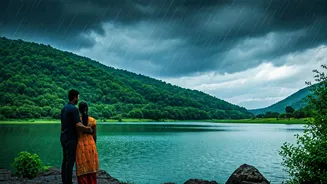
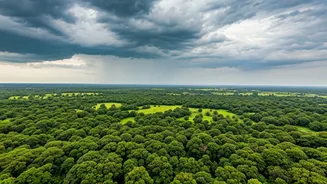
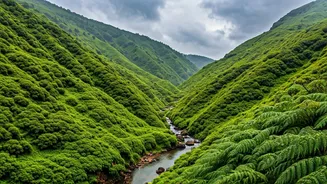
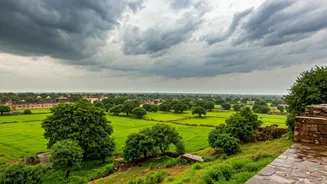
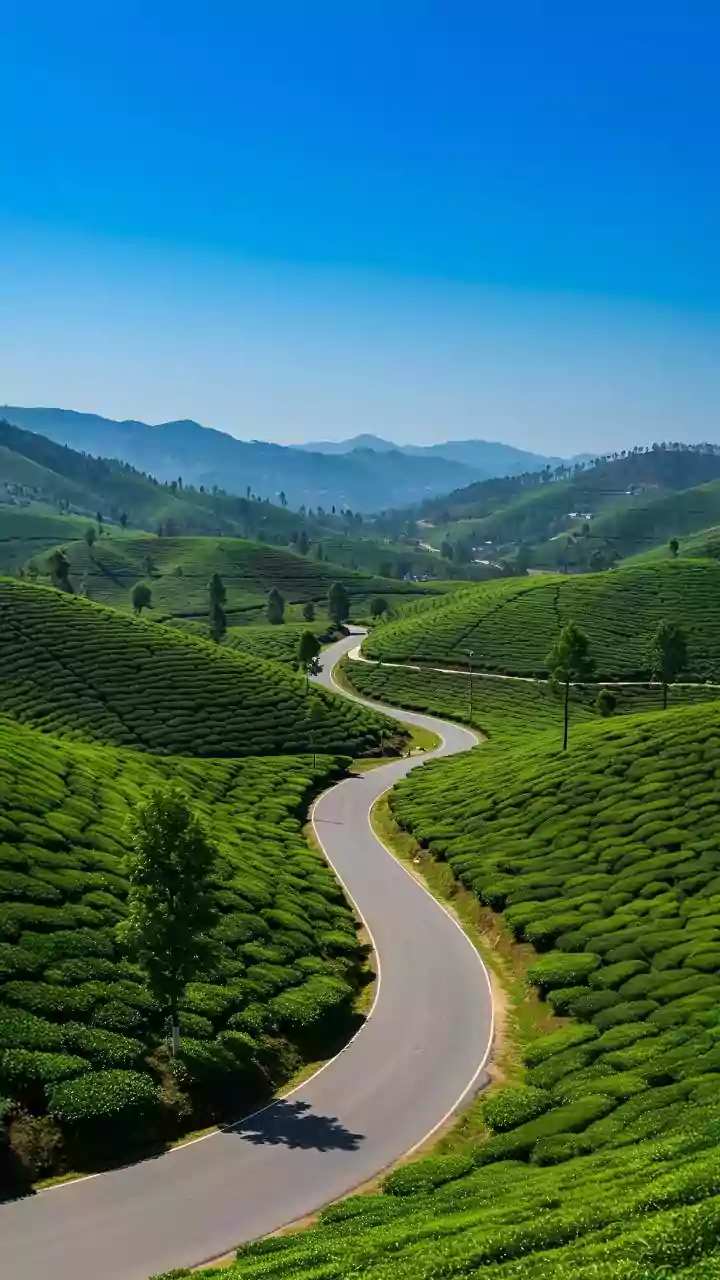
Perhaps the most magical part of a July visit is witnessing the landscape's dramatic transformation. The parched, dusty terrain gives way to a surprising flush of green, especially in the Aravalli hills and the southeastern parts of the state. This is a side of Rajasthan many visitors never see. The lakes, for which cities like Udaipur are famous, begin to fill, creating romantic, misty vistas. The air feels fresher and the washed-clean monuments stand out dramatically against moody, cloud-filled skies. This seasonal makeover provides a completely different, and arguably more poetic, visual experience compared to the popular winter season.
Best Monsoon Destinations
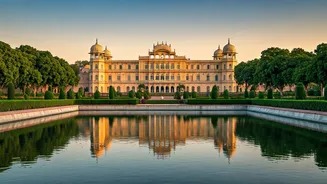
Certain areas of Rajasthan shine brightest during the monsoon. Udaipur, the 'City of Lakes', is a prime destination, with its brimming lakes and palaces looking especially romantic. A visit to the Sajjangarh Monsoon Palace, built specifically to watch the monsoon clouds, becomes particularly fitting. Mount Abu, the state's only hill station, becomes a cool, misty retreat enveloped in lush greenery, perfect for walks and hikes. Lesser-known gems like Bundi and Kota also come alive, with their ancient stepwells and waterfalls rejuvenated by the rain. While the western desert regions like Jaisalmer and Bikaner remain largely dry, they also benefit from cooler temperatures and can still be visited.
The Perks of Off-Season Travel
Beyond the pleasant weather, July is considered the off-season, which comes with significant practical advantages. The biggest perk is the sharp drop in prices for flights and hotels, with luxury and palace stays becoming much more affordable. The overwhelming crowds of the peak winter season are absent, allowing for a more relaxed and immersive experience. Imagine exploring the majestic Mehrangarh Fort in Jodhpur or the City Palace in Udaipur without navigating a sea of tourists. This quieter atmosphere allows for more meaningful interactions and a chance to appreciate the state's heritage at a leisurely pace.
How to Prepare for a July Trip
A successful monsoon trip requires some practical planning. Pack light cotton clothing suitable for warm and humid conditions. An umbrella or a lightweight waterproof jacket is essential for the sudden showers. Sturdy, quick-drying footwear with good grip is a must, as paths can become slippery. It's also wise to carry insect repellent, as the greenery can bring more mosquitoes. While major highways are generally fine, rural roads can sometimes be affected by heavy rain, so keeping your itinerary flexible is a good strategy. Plan your sightseeing for the cooler parts of the day, such as early mornings and late afternoons, to make the most of your time.