




Choose Your Route Wisely
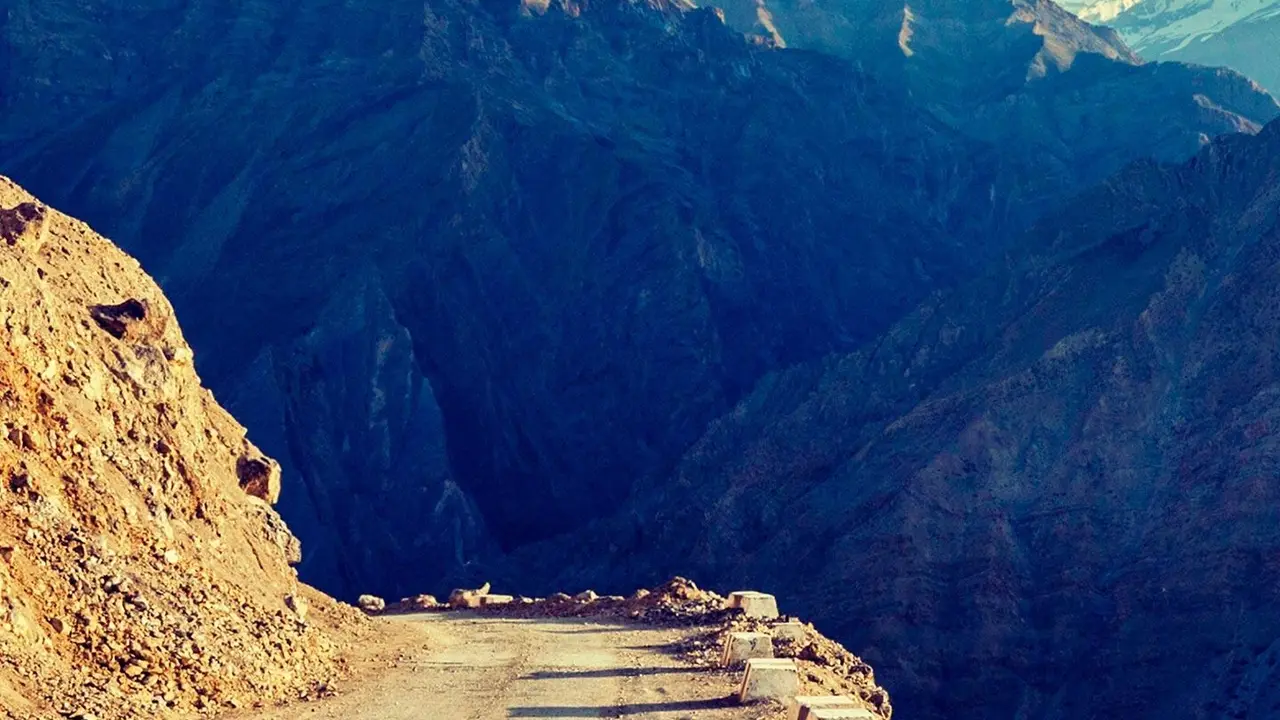
In autumn, the choice of route into Spiti Valley is your first major safety decision. There are two primary paths: one via Shimla and the other via Manali. The Shimla-Kaza highway is the more reliable option as autumn progresses. It offers a gradual ascent,
which is crucial for acclimatization, and generally remains open longer into the season. The Manali-Kaza route, while shorter, involves crossing the high-altitude Kunzum Pass (around 4,551 meters). This pass can close unexpectedly from late September or early October due to early snowfall. If you are travelling in late October, the Shimla route is significantly safer; the Manali route is a gamble that could lead to being stranded. Always check the live road status from official sources like the Border Roads Organisation (BRO) before you start.
Prepare Your Vehicle for the Cold
Your vehicle is your lifeline in Spiti's remote terrain. Before you leave, conduct a thorough service, paying special attention to brakes, tyres, and engine performance. Ensure your car has high ground clearance, as an SUV is better suited for the rough patches and potential water crossings than a sedan. Top up all essential fluids, especially coolant, to prevent the engine from overheating during steep climbs. As temperatures can drop below freezing at night, especially from October onwards, make sure your vehicle's battery is in excellent condition. Carry a complete tool kit, including a puncture repair kit, an air compressor, and jump-start cables. For those driving diesel vehicles in deep winter conditions, some locals even leave engines running overnight to prevent fuel from freezing, though this is an extreme measure for the harshest cold.
Master the Art of Driving on Black Ice
One of the greatest dangers of autumn and winter driving in Spiti is black ice. This is a thin, transparent layer of ice that forms on the road, making it incredibly slippery and difficult to see. It is most common in the early mornings, evenings, or in shaded sections of the road where the sun doesn't reach. Local police frequently issue advisories about this hazard. If you encounter black ice, the key is to remain calm. Do not slam on the brakes. Accelerate and decelerate slowly, using low gears to maintain control, especially on inclines. Keep your speed down and maintain a generous distance from the vehicle ahead. If conditions look particularly bad, it is always safer to wait for the sun to warm the road surface before proceeding.
Acclimatize, Don't Rush
Acute Mountain Sickness (AMS) is a serious risk in Spiti, where you’ll be driving at altitudes well above 3,500 meters. It is not related to physical fitness and can affect anyone. The golden rule is to ascend gradually. The Shimla route is better for this, with recommended overnight stops at places like Kalpa or Reckong Peo (around 2,700 meters) to help your body adjust before climbing higher. Regardless of your route, plan for at least two nights in Kaza (3,800 meters) to acclimatize before visiting higher villages like Kibber or Hikkim. Stay well-hydrated by drinking 3-4 litres of water daily, eat carbohydrate-rich meals, and avoid alcohol for the first few days at altitude. If you experience symptoms like persistent headache, nausea, or dizziness, do not ascend further. If symptoms worsen, the only cure is immediate descent.
Pack for Four Seasons in One Day
Autumn weather in Spiti is notoriously unpredictable. While daytime can be sunny and pleasant, temperatures plummet the moment the sun sets, often falling below freezing at night. The key is layering. Your packing list should include thermal innerwear, fleece jackets, and a windproof and waterproof outer jacket. Woolen socks, a beanie, warm gloves, and UV-protection sunglasses are non-negotiable. Many guesthouses and camps, especially around Chandratal, close down by early to mid-October, so carrying a sleeping bag for extra warmth is a wise move. Also, remember to pack a thermos flask to carry hot water or tea, which can be a huge comfort during long, cold drives.
Be Prepared for Limited Services
As the tourist season winds down in autumn, so do the services. Many smaller guesthouses, dhabas, and seasonal camps shut down, especially after mid-October. It's essential to book your accommodation in advance. Always carry more cash than you think you will need; ATMs are scarce (only one in Kaza) and often unreliable. Fuel pumps are also few and far between, with the last reliable one often being in Reckong Peo or Manali before entering the valley proper. Tank up whenever you get the chance. Mobile connectivity is patchy; BSNL and Jio have the best coverage in Kaza, but don't expect a signal in many areas. Downloading offline maps on your phone is crucial for navigation.