
Beyond the Global Blueprint
For the better part of two decades, the modern Indian café experience was built on a familiar global blueprint. Whether it was an international chain or a domestic imitation, the offering was predictable: a uniform menu of espresso-based drinks, a pastry
case filled with croissants and muffins, and a food menu featuring sandwiches, pasta, and maybe a cheesecake. This model was successful, introducing a new way of socialising and working into urban Indian life. It offered a neutral, air-conditioned space that felt cosmopolitan and reliable. However, this uniformity also led to a sea of sameness, where one café’s menu was virtually indistinguishable from another’s.
The Rise of the Desi Twist
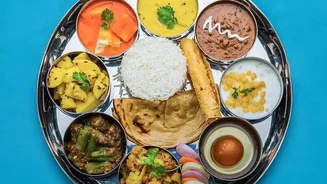
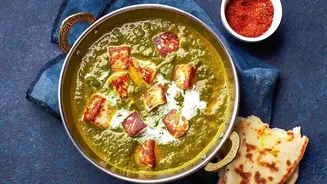
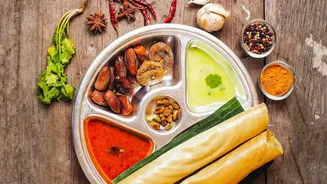
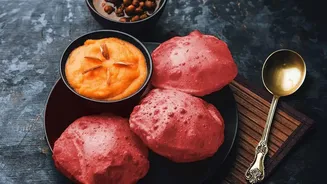
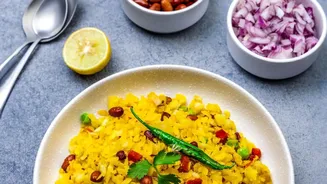
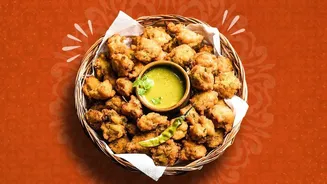
In recent years, a quiet but confident rebellion has been taking shape. A growing number of chefs and entrepreneurs are challenging the notion that a café needs to be a Western-style outpost. Instead, they are turning to India’s own vast and varied culinary landscape for inspiration. This has given rise to a new wave of establishments where the familiar comfort of a café setting is enhanced with a distinctly Indian soul. The shift involves more than just adding a few 'fusion' items; it's a fundamental change in philosophy, prioritising local ingredients and regional recipes. This move taps into a deeper consumer desire for authenticity and connection to their own culture.
What's on the Menu?
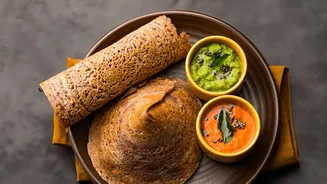
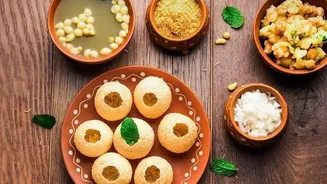
The results of this trend are as delicious as they are diverse. Instead of a standard latte, you might find a turmeric latte, a beverage with roots in traditional Indian home remedies that gained global fame. Coffee menus now proudly feature single-origin beans from Indian estates in Chikmagalur or Coorg. You'll see cold coffee sweetened with nolen gur (date palm jaggery) in the winter or drinks infused with kokum and tamarind in the summer. The food menu is where the innovation truly shines. Think millet-based pastries, jackfruit sliders, masala croissant sandwiches, and desserts like gulab jamun cheesecake or filter coffee-flavoured tiramisu. These creations aren't gimmicks; they are thoughtful combinations that celebrate ingredients like panch phoran, kasundi, and local cheeses in a modern, approachable format.
A Search for Authenticity
Several factors are driving this culinary homecoming. A post-pandemic emphasis on local sourcing and supporting domestic producers has made chefs look more closely at the ingredients available in their own backyards. There is also a generational shift. A younger, globally-aware but culturally-rooted clientele is seeking experiences that feel authentic and meaningful. They are no longer automatically impressed by foreign imports and are eager to embrace modern interpretations of their own heritage. This has empowered chefs, many with international training, to return to India and explore the depths of their own regional cuisines, from Nagaland to Kerala, rather than replicating foreign ones.
More Than Just Food
This embrace of regional identity extends beyond the menu. The design and ambiance of these new-wave cafés often reflect a modern Indian aesthetic. You'll find interiors that use local materials, display art from Indian artists, and play curated playlists of homegrown music. The names of the cafes and their dishes often tell a story, connecting the customer to a specific region, community, or ingredient. This creates a holistic experience that is both contemporary and deeply rooted in place. It's a move away from the anonymous, placeless feel of global chains towards creating a community hub that feels vibrant, relevant, and unmistakably Indian.