

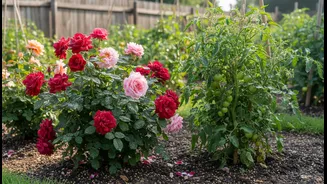




The Urban Gardener's Dilemma
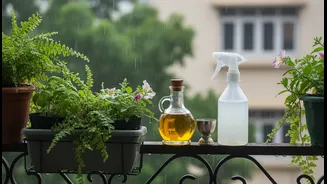
For the growing tribe of Indian urban gardeners, the balcony is a cherished slice of nature. It’s a space for vibrant flowers, fresh herbs, and even homegrown vegetables. But with this green oasis comes a persistent challenge: pests. Aphids, mealybugs,
spider mites, and whiteflies can quickly turn a flourishing garden into a sad, wilted affair. In the close confines of a city apartment, using harsh chemical pesticides is often undesirable due to concerns for the health of families and pets, making natural alternatives highly sought after.
Neem: The Traditional Protector
Neem has been a cornerstone of Indian agriculture and traditional medicine for centuries. Extracted from the seeds of the neem tree (Azadirachta indica), the oil contains powerful compounds, most notably Azadirachtin. This active ingredient doesn't just kill pests on contact; it disrupts their feeding habits, growth, and ability to reproduce. It's also effective against common fungal diseases like powdery mildew. This deep-rooted history makes neem the first choice for many gardeners looking for an organic solution.
The Problem with Guesswork
While neem oil is powerful, it’s not foolproof. Many new gardeners, working from vague advice, make crucial mistakes. The most common error is improper dilution and application, which can lead to disastrous results. Using too much oil or spraying in direct sunlight, especially in the intense Indian summer, can scorch and burn plant leaves, doing more harm than good. Conversely, using too little or forgetting a key ingredient means the solution is ineffective. Oil and water famously don't mix, and without a proper emulsifier, the neem oil simply floats on top, leading to uneven and useless application.
The Standard Blogger Recipe
This is where India's creative gardening bloggers and YouTubers have stepped in. They have experimented, refined, and ultimately standardised a simple, effective, and safe recipe that works for Indian conditions. The consensus recipe is wonderfully simple: for one litre of water, you need 5ml of pure, cold-pressed neem oil and 1-2ml of a mild liquid soap. The soap is not for cleaning; it’s the crucial emulsifier that allows the oil and water to mix properly, ensuring every drop of your spray is effective. The process is to first mix the soap into the water, then add the neem oil and shake vigorously.
Perfect Application, Every Time
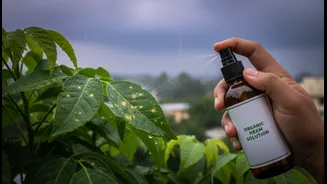
The standardisation extends to application methods. Bloggers universally advise spraying in the late evening or very early morning. This prevents leaf burn from direct sun on oiled leaves and protects beneficial pollinators like bees, which are less active at these times. A thorough application is key—spray the tops and bottoms of all leaves until they are dripping wet, as pests love to hide on the undersides. For active infestations, a repeat application every 5-7 days is recommended. For prevention, a spray every 14-15 days is sufficient. And always, shake the bottle frequently during use to keep the mixture emulsified.
Important Safety Precautions
While diluted neem oil is generally considered safe for pets and humans once dry, it's wise to take precautions. Always use pure, cold-pressed neem oil, as products labelled 'clarified hydrophobic extract of neem' have had the active ingredient Azadirachtin removed and are far less effective. Keep pets and children away from the area during spraying and until the solution has completely dried. Before spraying an entire plant for the first time, it's a best practice to do a 'patch test' on a single leaf and wait 24-48 hours to check for any signs of stress or burning. Avoid spraying stressed plants, such as those that are newly transplanted or wilting.