








The Monsoon Deception: How Humidity Tricks Your Body
The core of the problem lies in the high humidity that defines the monsoon season. Normally, your body cools itself efficiently through sweat. As perspiration evaporates from your skin, it takes heat with it. But when the air is already saturated with moisture
— with humidity levels often soaring above 80-90% — your sweat has nowhere to go. It drips off your body instead of evaporating, meaning you lose the cooling effect. Your body, trying to regulate its temperature, responds by producing even more sweat. This creates a deceptive situation: you're losing significant amounts of fluid and essential minerals, but because the cooling process is failing and your thirst signal may be suppressed, you don't realize how dehydrated you're becoming.
From Fluid Loss to Agonising Cramps
Those sudden, sharp muscle spasms are your body's distress signal. Sweat isn't just water; it's packed with electrolytes like sodium, potassium, magnesium, and calcium. These minerals carry electrical charges that are vital for proper muscle function, enabling them to contract and relax smoothly. When you sweat excessively in high humidity without adequately replenishing these losses, you develop an electrolyte imbalance. This imbalance disrupts the nerve signals to your muscles. Essentially, your muscles can receive the signal to contract but struggle to get the signal to relax, resulting in a painful, involuntary cramp.
Signs of Dehydration You Might Be Ignoring
Thirst is a lagging indicator of dehydration; by the time you feel thirsty, you're already behind on fluids. During the monsoon, it's crucial to watch for more subtle signs. One of the most reliable indicators is the colour of your urine; if it's dark yellow or amber, you need to hydrate immediately. Other common but often overlooked symptoms include persistent fatigue or sluggishness, unexplained headaches, dizziness, dry mouth, and a reduced need to urinate. You might mistake these feelings for general discomfort from the sticky weather, but they are often your body’s early warnings of dehydration.
Your Monsoon Hydration Blueprint
Preventing cramps means being proactive, not reactive. Start hydrating well before your workout begins, drinking 12-20 ounces of water two to three hours prior. During your run, cycle, or outdoor gym session, don't wait until you're thirsty. Make it a habit to take small, frequent sips of water every 15-20 minutes. Post-workout recovery is just as critical. You need to replace the fluids and electrolytes you've lost. Aim to drink about three cups of fluid for every pound of body weight lost during your exercise session. Weighing yourself before and after a workout can provide a clear picture of your fluid loss and hydration needs.
Beyond Water: The Crucial Role of Electrolytes
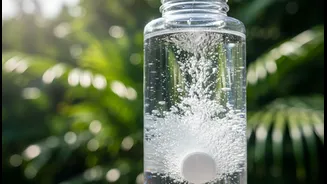
In highly humid conditions where sweat loss is significant, plain water alone may not be enough. Drinking excessive amounts of water without replacing lost salts can further dilute the sodium levels in your blood, potentially worsening the risk of cramps. To effectively rehydrate, you must also replenish your electrolytes. You don't necessarily need sugary sports drinks for a moderate workout. Natural sources are highly effective. Incorporating foods like bananas, coconut water, yogurt, salted nuts, and leafy greens into your diet can help restore your mineral balance. For longer or more intense workouts, adding a pinch of salt to lemon water or using an electrolyte supplement can make a significant difference.