




What Exactly Is Ambali?
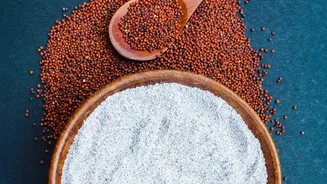
Ambali is a traditional beverage with deep roots in South Indian states like Karnataka, Andhra Pradesh, and Telangana. At its core, it is a simple yet potent concoction made from ragi, or finger millet flour. The process begins by cooking the ragi flour with water
to form a smooth porridge or paste. This mixture is then allowed to cool and left to ferment naturally, typically overnight. The next day, this fermented base is thinned with water and often mixed with buttermilk or curd, along with savoury additions like salt, finely chopped onions, roasted cumin powder, and curry leaves. The result is a refreshing, slightly tangy, and earthy drink that was once the trusted fuel for farmers, providing sustained energy and hydration under the hot sun.
The Probiotic Powerhouse
The magic of Ambali lies in its fermentation. This ancient, natural process transforms the simple millet porridge into a rich source of probiotics—the beneficial live bacteria that are crucial for a healthy gut. Much like yogurt, the fermentation cultivates cultures such as Lactobacillus that help nourish the gut microbiome, improve digestion, and can reduce issues like bloating. Furthermore, this process works to break down compounds known as 'anti-nutrients,' like phytic acid, which are naturally present in grains. By reducing these compounds, the fermentation makes the abundant minerals in ragi, especially calcium and iron, more easily absorbable by the body.
A Nutritional Superstar
Beyond its probiotic benefits, Ambali’s nutritional profile is incredibly impressive, thanks to its star ingredient: ragi. Finger millet is widely regarded as a superfood. It is naturally gluten-free, making it an excellent choice for individuals with celiac disease or gluten sensitivity. Ragi boasts one of the highest calcium contents among all cereals, providing around 344mg per 100g, making it a fantastic food for bone health and helping to prevent conditions like osteoporosis. It is also packed with dietary fibre, which aids in digestion, promotes a feeling of fullness for weight management, and helps regulate blood sugar levels due to its low glycemic index. Its rich reserves of iron, protein, and essential amino acids further cement its status as a nutritional giant.
From Ancient Staple to Modern Trend
So, why is this age-old drink suddenly appearing on urban cafe menus and in the kitchens of health-conscious city dwellers? Ambali’s comeback is perfectly timed with a global shift in wellness culture. There is a massive, worldwide interest in gut health, immunity, and the power of fermented foods. Consumers are increasingly turning away from processed items and looking for authentic, nutrient-dense alternatives. Ambali fits this need perfectly. It’s a natural, functional food that has been trusted for centuries for its cooling properties, making it an ideal summer beverage. Urban cafes are now giving this traditional drink a modern makeover, branding it as India's answer to kombucha and serving it chilled to a new generation of wellness enthusiasts.
Making Ambali at Home
Bringing this healthy tradition into your own home is surprisingly simple. Start by mixing a few tablespoons of ragi flour with a little water to create a smooth, lump-free paste. Cook this slurry with more water over a low flame, stirring continuously until it thickens into a glossy porridge. Let this cool down completely. Once at room temperature, cover the pot and leave it to ferment for 8 to 12 hours, or overnight. The next morning, whisk the fermented ragi base, adding buttermilk, water, salt, roasted cumin powder, and finely chopped onions or coriander to taste. Adjust the consistency to your liking—some prefer it as a thin, drinkable liquid, while others enjoy it as a thicker porridge.