



When we measure what makes a country truly 'prosperous', the top of the leaderboard is consistently packed with European nations. But a look at the latest global rankings reveals two notable exceptions to the rule: New Zealand and Singapore.
Deconstructing Global Prosperity
The headline
refers to a recent global prosperity or happiness index, several of which are published annually. One prominent example is the 'Happy Passports Index 2026', which evaluates 50 countries not just on wealth, but on a blend of four key categories: life satisfaction, civil liberties, travel opportunities (passport power), and conditions for health and safety. In this ranking, the top ten is overwhelmingly European, with nations like Finland, Iceland, and Denmark taking the highest spots. This isn't an anomaly; reports like the Legatum Prosperity Index also show a strong European presence at the top, measuring pillars like governance, economic quality, and social capital. The common thread is that true prosperity is seen as more than just money; it's about the overall quality of life and the freedoms citizens enjoy.
The European Blueprint
So, why does Europe dominate these lists? The top-ranking Nordic countries, along with nations like Switzerland and the Netherlands, share a successful formula. They combine robust, open economies with strong social safety nets, including comprehensive public healthcare and education. Researchers point to a culture of high social trust, strong democratic institutions, and a long history of international cooperation as foundational elements. This model creates a stable environment where citizens have the freedom and security to thrive. Countries like Norway, for instance, leverage natural resource wealth to fund a massive sovereign wealth fund that supports public services for the long term, ensuring economic stability translates into widespread well-being.
Singapore’s Path: Efficiency and Investment
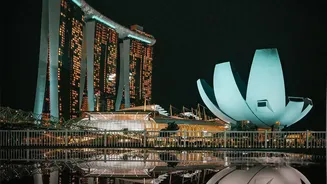
Singapore carves its own path into the top tier, demonstrating a different model of success. It consistently ranks as a global leader for its powerful passport, high income levels, and exceptional public infrastructure. The nation's prosperity is built on a foundation of deliberate, long-term state-led investment in housing, healthcare, and education, transforming it into one of the world's most competitive economies. While it scores exceptionally high on metrics like economic freedom, safety, and health outcomes, some indices note that it scores lower on measures of life satisfaction and personal freedoms compared to its European peers. This highlights a trade-off: a highly efficient, safe, and economically dynamic society that operates with a different balance of state control and individual liberty.
New Zealand’s Edge: Society and Freedom
New Zealand, which the headline appears to refer to with the typo 'Fresh Zealand', earns its place through a different set of strengths. While its economy is robust, its true competitive edge lies in non-economic factors. The country consistently receives top marks for personal freedom, governance, and what experts call 'social capital' — the strength of community and family bonds. In fact, some reports have ranked its society as the strongest in the world, noting that nearly all New Zealanders feel they can rely on family and friends in a time of need. This strong social fabric, combined with a renowned natural environment and a healthy work-life balance, creates a high quality of life that allows the country to convert its wealth into well-being more effectively than many richer nations.