
The Calm Day Advantage
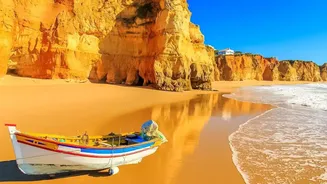
While crashing waves make for powerful images, calm seas open up unique photographic possibilities. The water becomes a vast, reflective surface, perfect for capturing the rich colours of the cliffs and the sky. This tranquility allows for crystal-clear
shots of underwater rock formations from above and turns sea caves into peaceful, accessible studios. Reflections, sharp details, and an overwhelming sense of serenity become the main subjects. On these days, the usual challenges of sea spray and wind are minimized, letting you focus entirely on composition and light without constantly wiping your lens or fighting for stability.
Essential, Minimalist Gear
You don't need a heavy bag to capture the Algarve's beauty. A camera with manual settings and a versatile wide-angle lens (like a 16-35mm or 24-70mm) will cover most scenarios, from vast landscapes to details within a cove. A sturdy tripod is non-negotiable for shooting in the low light of dawn and dusk and for creating long exposures that smooth the water into a silky, ethereal surface. A circular polarizing filter is another key accessory; it cuts through glare on the water's surface to reveal the colour and detail beneath, while also making the blue sky richer. Lastly, pack a lens cloth and a dry bag—even on calm days, the coastal environment is unpredictable.
Iconic Spot: Ponta da Piedade
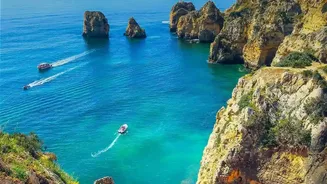
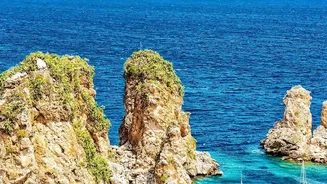
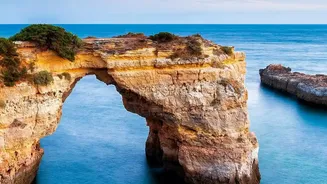
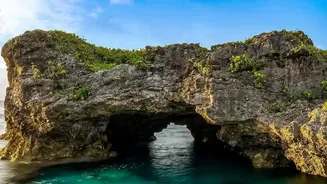
Ponta da Piedade, just south of Lagos, is arguably the Algarve's most photogenic location. It's a wonderland of sea stacks, grottos, and natural arches. For the best light, arrive before sunrise. The clifftop boardwalks offer breathtaking panoramic views as the first light paints the limestone formations in warm, golden tones. For a different perspective, take the long staircase down to the water level. From here, you can frame shots through arches or take a kayak or boat tour to capture the caves from the inside, where calm water allows for incredible reflections. The golden hour just before sunset is equally magical, casting long, dramatic shadows.
Iconic Spot: Praia da Marinha
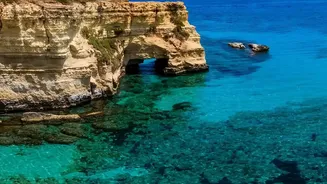
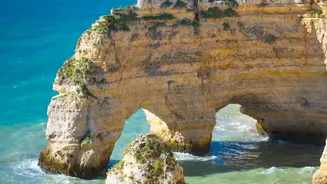
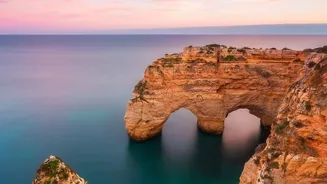
Often cited as one of the world's most beautiful beaches, Praia da Marinha is famous for its M-shaped double rock arch and crystal-clear water. The view from the clifftop is classic, especially looking down towards the arches. The best time to visit is during shoulder seasons like spring or autumn to avoid the largest crowds. The water here is exceptionally clear, making it ideal for snorkeling and capturing underwater scenes from the surface on a calm day. This beach is also the starting point for the Seven Hanging Valleys Trail, a coastal path that leads to more viewpoints and hidden coves, including Benagil.
The Challenge: Benagil Cave
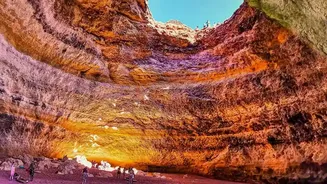
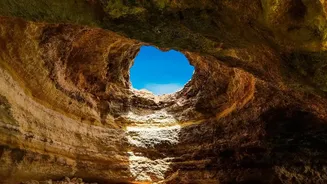
The sea cave at Benagil, with its iconic hole in the ceiling, is a must-see. However, access is restricted and requires planning. You can only reach it by sea, and entry is now limited to licensed boat tours or guided kayak and SUP tours; independent swimming or kayaking into the cave is no longer permitted. On a calm day, a guided kayak tour offers the best photographic opportunity, allowing you to land on the interior beach and take your time composing shots of the light streaming through the oculus. Boat tours are quicker but often don't allow you to disembark. Alternatively, you can walk along the cliffs above and photograph the cave from the top, looking down through the hole.
Beyond the Postcards
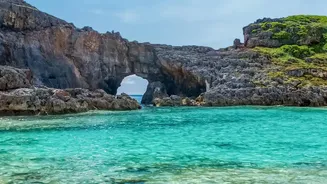
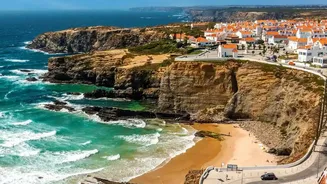
While the famous spots are popular for a reason, the Algarve coast is filled with lesser-known coves that shine on calm days. Explore the area between Portimão and Carvoeiro, where locations like Algar Seco offer windows carved into the rock and natural pools. At low tide, Praia dos Três Irmãos reveals passages and arches you can walk through. West of Lagos, the coastline toward Sagres becomes wilder. Locations like Praia da Cordoama and Praia do Amado offer vast, dramatic landscapes with black rock formations, especially powerful at sunset. Don't be afraid to explore the smaller, unnamed beaches; you might find your own unique shot away from the crowds.