


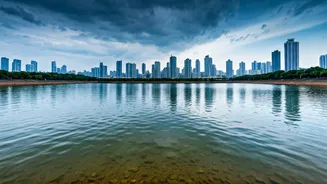


The Challenge: More Than Just Rain
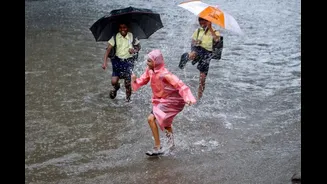
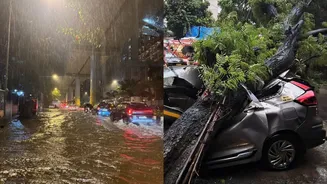
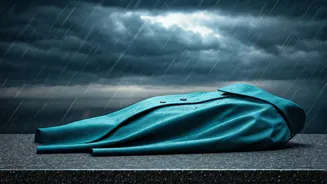
A Mumbai downpour isn't a gentle shower; it's a combination of intense rain and high humidity. The city can receive an average of 2,400mm of rain between June and September. This dual threat of external water and internal sweat is why most standard raincoats
fail. A jacket that keeps rain out but doesn't let sweat escape will leave you just as drenched from the inside. The goal isn't just to block water, but to stay comfortable.
Demystifying Waterproof Ratings
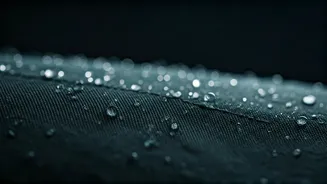
Forget vague labels. The most important number on a rain jacket's tag is its Hydrostatic Head (HH) rating, measured in millimetres (mm). This test measures how tall a column of water a fabric can withstand before it leaks. For the kind of sustained, heavy rain seen in Mumbai, a rating of at least 10,000mm is recommended. Anything less may not hold up. For extreme conditions, a 15,000mm to 20,000mm rating provides superior protection, especially if you're carrying a backpack which adds pressure to the fabric.
The Unsung Hero: Taped Seams
The most advanced waterproof fabric is useless if water can sneak in through the stitch holes. This is where seam taping becomes critical. When garments are sewn, the needles create hundreds of tiny punctures. Waterproof seam tape is a layer applied with heat and pressure over these seams to create a complete seal. Look for jackets with 'fully taped' or 'critically taped' seams. Fully taped means every single seam is sealed for maximum protection, while critically taped jackets seal only the most exposed areas like the shoulders and hood.
Breathability is Non-Negotiable
In Mumbai's humidity, a non-breathable jacket is a personal sauna. Breathability refers to a fabric's ability to allow moisture vapour (sweat) to escape. This is measured by the Moisture Vapour Transmission Rate (MVTR). Higher values mean better breathability. This is often achieved through a waterproof membrane—a thin film with microscopic pores that are too small for water droplets to enter, but large enough for vapour to exit. Without this feature, you'll end up feeling clammy and uncomfortable, defeating the purpose of staying dry.
Essential Design Features
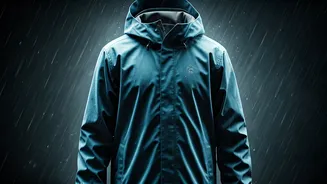
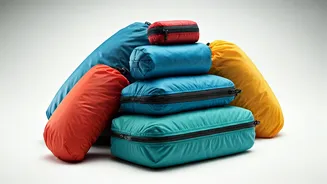
Beyond fabric ratings, smart design makes a world of difference. A well-designed hood with adjustable cords will protect your face without obscuring your vision. A storm flap—a strip of fabric covering the main zipper—is crucial for preventing wind-driven rain from penetrating this vulnerable area. Adjustable cuffs seal out water at your wrists, while waterproof zippers provide another line of defence. Also, consider packability; a lightweight jacket that can be easily stowed in a bag is more practical for the city's unpredictable weather patterns.
Don't Forget the Bottom Half
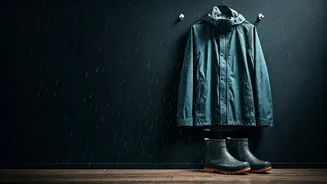
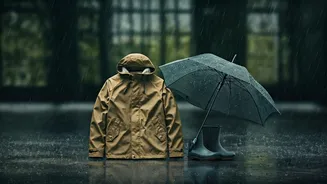
A great jacket is only half the battle. Waterproof trousers and footwear are just as important for commuters, especially those on two-wheelers. Look for trousers with the same waterproof and breathability ratings as a good jacket. Ankle zips are a useful feature, making it easier to pull them on over your shoes. For footwear, prioritise grip for slippery surfaces and true waterproofing—not just water resistance—to keep your feet dry and comfortable during your commute. Many people keep a pair of office shoes at work and commute in waterproof floaters or boots.