




The Science of a Satisfying Bite
The magic of a truly memorable meal often lies in contrast. While we focus heavily on balancing sweet, sour, and spicy flavours, we often overlook an equally crucial element: texture. Our brains are wired to appreciate variety, and the interplay between
soft and crunchy is deeply satisfying. A dish that is uniformly soft can become monotonous or 'flat' after a few bites. Introducing a crunchy element does more than just add noise; it wakes up the palate, keeps our brains engaged, and can even make food seem fresher and more flavourful. The sound and feel of a crunch trigger pleasure centres in our brain, signalling freshness and making the eating experience more dynamic and enjoyable. This principle is why a creamy dip is so much better with a crisp chip, and it’s the exact reason your favourite curry is calling out for some crunch.
The Classic Crunch: Fresh Salads
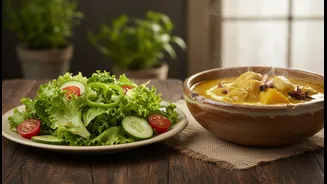
One of the easiest and most traditional ways to add crunch is with a simple, fresh salad served alongside or on top of your curry. The quintessential Indian side salad is Kachumber. It's a mix of finely chopped raw onion, tomato, and cucumber, brought to life with a squeeze of lemon juice, a pinch of salt, and often some chopped coriander and green chilli. This salad is not dressed with oil, which allows its clean, zesty flavours to cut through the richness of the curry. The coolness of the raw vegetables provides a refreshing temperature contrast, while their crispness offers that all-important textural bite. You can adapt it with whatever crunchy vegetables you have on hand, such as radish or carrots, making it a versatile and indispensable addition to your meal.
Fried and Toasted Toppings
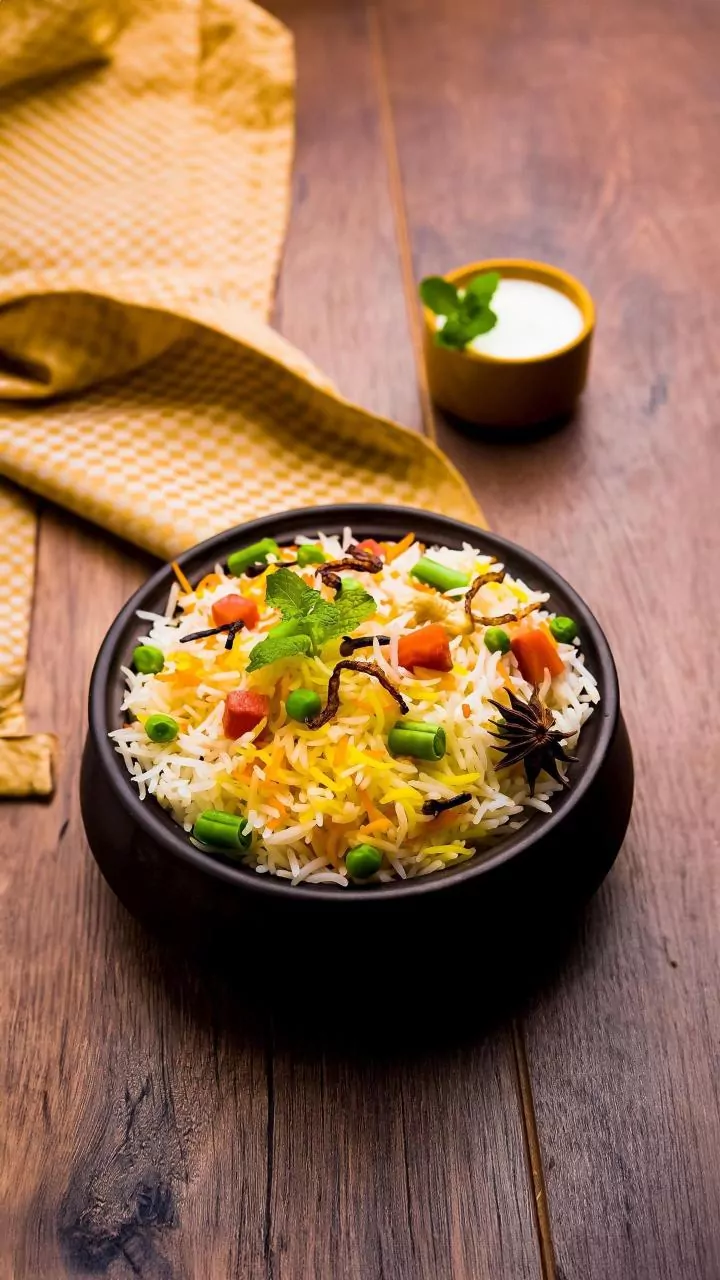
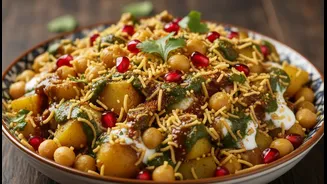
For a different kind of crunch, look to fried and toasted garnishes. Crispy fried onions, a staple in many biryanis, are a fantastic addition to creamy kormas or dal makhani. They add a deep, sweet, and savoury flavour along with a delicate crispness. Toasted nuts and seeds are another brilliant option. A sprinkle of toasted flaked almonds or cashews on a Mughlai-style curry adds a rich, nutty crunch that complements the creaminess. For a quicker fix, look to pantry staples like sev or boondi. These crispy chickpea flour snacks, often used in chaat, can be scattered over a curry just before serving for an instant textural boost. Even toasted coconut flakes can add a lovely crunch and flavour, especially to South Indian or coastal curries.
Don't Forget the Papadum
No discussion of curry accompaniments would be complete without mentioning the humble papadum. This thin, crisp wafer, typically made from lentil flour, is the perfect tool for scooping up curry and rice. Whether roasted over an open flame, deep-fried, or cooked in a microwave, its defining characteristic is its shatteringly crisp texture. Serving a basket of papadums alongside your meal allows everyone to add crunch as they please. It’s a classic pairing for a reason; the combination of soft rice, rich dal or curry, and the snap of the papadum creates a perfect, multi-textured bite that is fundamental to the Indian dining experience.
Crunchy Vegetable Sides
Sometimes the crunch doesn't have to be a garnish, but a dish in its own right. A simple, dry vegetable stir-fry served alongside a wet curry creates a wonderful balance. A classic example is a crispy Bhindi Fry, where okra is sliced and fried until it loses its sliminess and becomes wonderfully crunchy. This can be a simple stir-fry or a more elaborate version coated in gram flour (besan) for extra crispiness. The key is to cook the vegetable on a relatively high heat, uncovered, to drive off moisture and encourage crisping. This approach works well with other vegetables too, such as cabbage (in a poriyal), beans, or potatoes. The contrast between a spoonful of creamy, saucy curry and a bite of a crisp, dry vegetable side dish makes the entire meal more complex and satisfying.