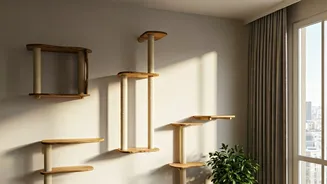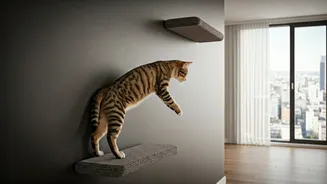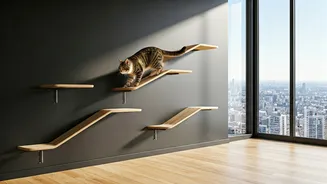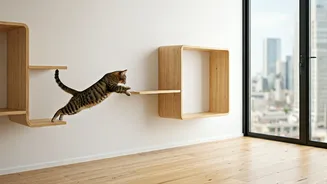






What is a Vertical Cat Highway?
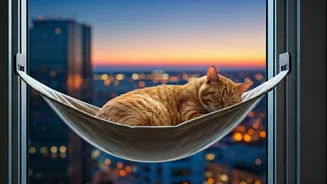
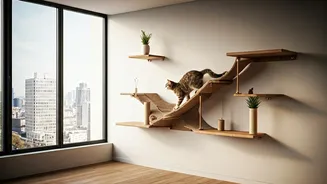
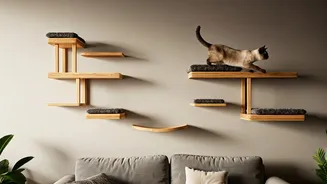
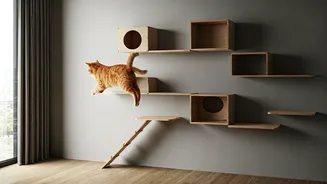
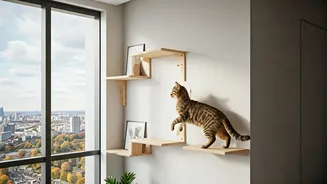
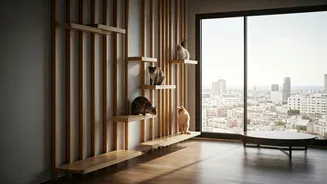
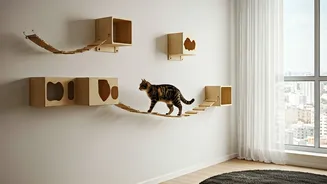
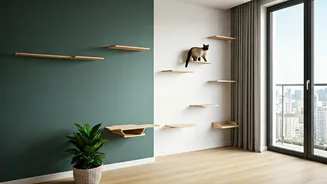
Imagine a playground for your feline friend, but mounted on the wall. That’s the essence of vertical wall bridges and cat shelves. This trend, often called 'catification', involves installing a series of shelves, perches, steps, and bridges on your walls,
creating an elevated highway system. It transforms unused vertical space into an interactive environment. These aren't just carpeted towers tucked in a corner; they are thoughtfully designed pathways that allow your cat to navigate a room without ever touching the floor. From simple wooden steps to elaborate rope bridges connecting high perches, the goal is to give your cat a domain of its own, up high where it feels most secure.
The Instinct to Be on Top
Why are cats so drawn to these setups? The answer is rooted in their DNA. In the wild, cats are both predators and prey. Height offers a distinct evolutionary advantage. From a high vantage point, a cat can survey its territory for potential threats and opportunities (like the opening of a snack packet) with a sense of security. Being up high removes them from the chaotic ground level, away from stomping feet, other pets, or boisterous children. This feeling of safety is crucial for a cat’s mental well-being, especially for timid or anxious felines. Providing vertical space isn't just indulging a whim; it's satisfying a deep, instinctual need for safety, control, and observation.
Benefits Beyond the View
The perks of a wall-mounted cat world go far beyond a good view. For apartment cats, it’s a vital source of physical exercise. Leaping between shelves, balancing on bridges, and climbing to a perch engages muscles and prevents the lethargy that can lead to obesity. It's also a powerful tool for mental stimulation. Navigating the course requires focus and problem-solving, keeping their minds sharp and staving off boredom-related behaviours like destructive scratching or excessive meowing. In multi-cat households, vertical space is a peacemaker. It expands the available territory, allowing cats to create their own personal zones and avoid conflicts over resources like a favourite sunning spot on the floor.
Choosing the Right Setup
When planning your cat's vertical paradise, function and safety are key. Look for materials that offer good grip. Unfinished wood, sisal rope, and sturdy carpeting are excellent choices, as they give claws something to hold onto. Avoid materials that are too slick or polished. The sturdiness of the shelves and bridges is non-negotiable. They must be able to support more than your cat's weight to withstand the force of them jumping. Consider your cat’s personality and agility. An athletic young cat might love a challenging course with wider gaps, while a senior cat will need steps that are closer together and wider, more stable perches.
Installation and Safety First
A poorly installed cat bridge is more dangerous than no bridge at all. The single most important aspect is securing the elements firmly to the wall. Do not rely on simple nails or adhesive. Use screws and wall plugs (or anchors) appropriate for your wall type—whether it's brick, concrete, or drywall. Always locate the wall studs for the most secure attachment points whenever possible. Before letting your cat explore, test every single piece by applying significant pressure. Wiggle it, push on it, and pull on it. If there is any movement, it needs to be reinforced. Finally, consider the layout. Create a path that has clear entry and exit points, and ensure there are no dead ends where a cat could feel trapped by another pet.