
ISRO’s Answer: The Shukrayaan-1 Mission
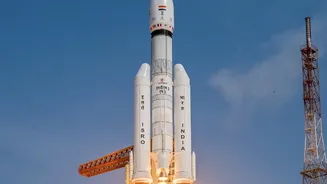
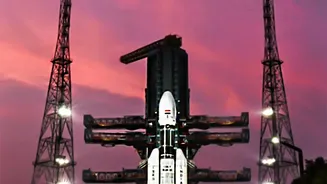
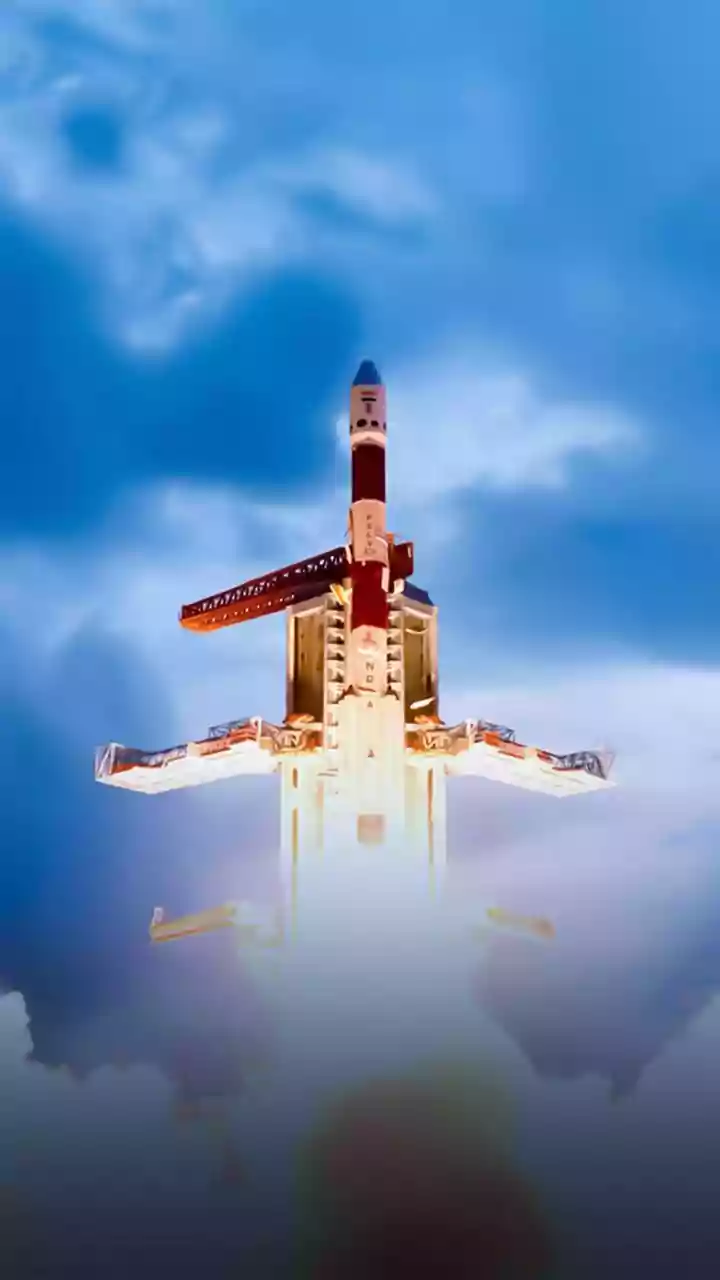
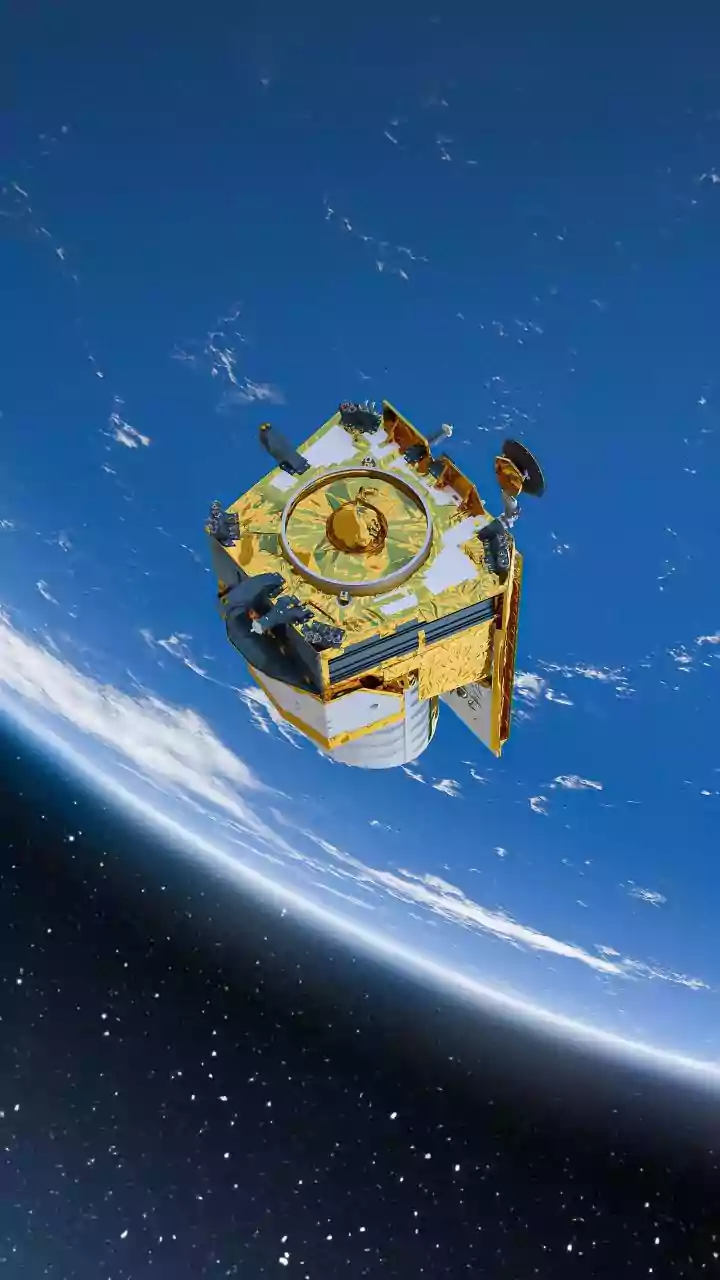
India’s ambitious answer to this question is the Shukrayaan-1 mission, the nation's first robotic orbiter sent to Venus. Formally approved in September 2024 and planned for a March 2028 launch, this mission from the Indian Space Research Organisation
(ISRO) is designed specifically to overcome the planet's observational challenges. Following in the footsteps of the successful Mangalyaan Mars mission, Shukrayaan-1 represents India's next great leap in interplanetary exploration. The spacecraft, carrying a suite of sophisticated instruments, will enter a large elliptical orbit around Venus to begin its four-year mission of unravelling the planet's secrets.
Peering Through the Veil with Radar
The primary tool for seeing through the dense Venusian clouds is a high-resolution Synthetic Aperture Radar, or SAR. Unlike optical cameras that need light and a clear view, radar works by sending radio waves towards the planet's surface and interpreting the signals that bounce back. These signals can penetrate the thick cloud cover, day or night, allowing ISRO to build detailed, 3D maps of the Venusian surface. This technology will be crucial for identifying geological features like volcanoes, mountains, and lava flows, and for looking for signs of recent volcanic activity, something scientists have long suspected but struggled to confirm. An even more advanced ground-penetrating radar will probe the shallow subsurface, a first for any Venus mission.
Analysing the Atmosphere Itself
While the radar maps the ground, other instruments will focus on the composition of the atmosphere at various altitudes. Shukrayaan-1 will carry a payload of around 19 instruments, many of them Indian-made, with key collaborations from international partners like Sweden and Germany. One of these, the Venus InfraRed Atmospheric Gases Linker (VIRAL), is a collaboration with Russia and France designed to study atmospheric chemistry. It will hunt for specific gases, including sulphur dioxide and even phosphine, a compound that has generated excitement as a potential, though unconfirmed, indicator of biological processes. Other instruments, like thermal cameras and spectrometers, will measure cloud temperatures, monitor for lightning, and analyse how the atmosphere interacts with the constant stream of particles from the Sun, known as the solar wind.
What These Discoveries Could Mean
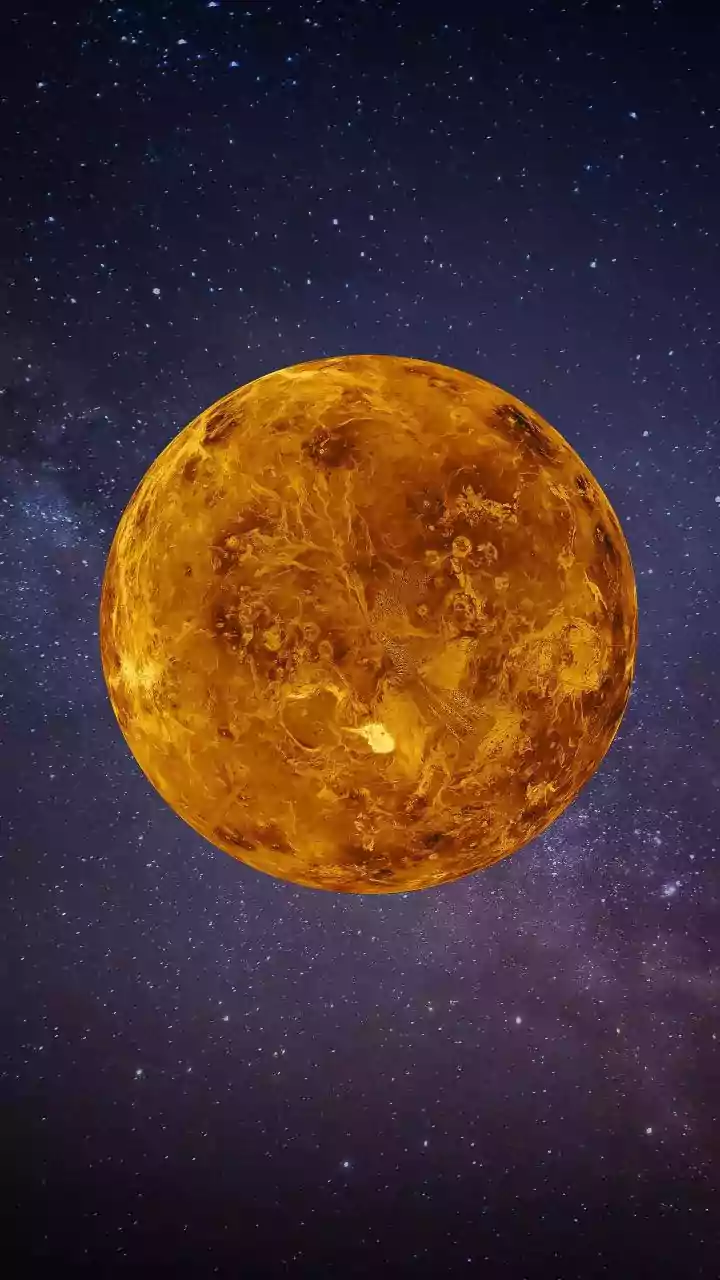
By studying Venus, scientists hope to solve a major planetary puzzle: why did Earth and Venus, two planets so similar in size and composition, evolve so differently? Venus is believed to have once been a more temperate world, possibly with liquid water, but it suffered a runaway greenhouse effect that turned it into the scorching, high-pressure world it is today. Understanding this process is not just about learning Venus's history; it serves as a crucial case study for climate change on our own planet. The data gathered by Shukrayaan’s sensors on the atmospheric layers, volcanic activity, and surface geology will provide vital clues to piece together the story of how Earth's twin became its 'evil twin' and will help in the search for habitable Earth-sized planets beyond our solar system.