







The Problem with Cooking Oils
Edible oil is a staple, but it's also one of the most commonly adulterated food items. A major issue is the mixing of expensive oils like mustard or groundnut oil with cheaper alternatives such as palm olein, cottonseed oil, or mineral oil to increase
volume and profit. This not only cheats the consumer but also poses significant health risks. For instance, argemone oil, a frequent and dangerous adulterant, has been linked to severe conditions like epidemic dropsy, glaucoma, and even cancer. Beyond deliberate mixing, the quality of oil is also a concern. Repeatedly heated or recycled oils, which can find their way into the supply chain, contain harmful compounds that increase the risk of cardiovascular disease, liver damage, and other chronic illnesses. Even the refining process, which uses high heat and chemicals, can strip oils of their natural nutrients and create harmful trans fats.
What's Hiding in Your Packaged Staples?
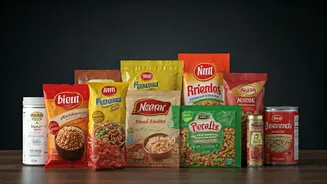
Packaged staples like grains, flours, and pulses are not immune to quality issues. While adulteration here is often less sophisticated, it's still a concern. Common problems include the presence of excess sand, dirt, dust, or stones in grains and pulses. Sometimes, different or inferior quality grains are mixed in. For example, 'sella' rice might be artificially coloured with turmeric to give it a better appearance. In flours like atta and besan, adulterants can include excess bran, chalk powder, or starch from other sources. Another issue is the use of artificial colours and polishing agents to make products look more attractive. Pulses and vegetables may be coated with non-permitted colours like malachite green to make them appear fresher and more vibrant, which can be toxic. These substances don't add any nutritional value and can be detrimental to long-term health.
How to Be a Smarter Shopper
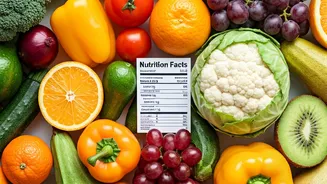
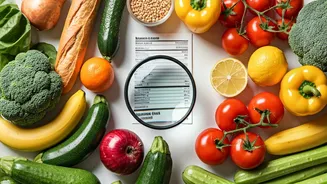
The first line of defence is becoming an informed consumer. When buying packaged goods, the label is your best friend. Always look for the FSSAI logo and the 14-digit license number. This is a mandatory mark of compliance with the Food Safety and Standards Authority of India. Check the ingredient list, which should be printed in descending order of weight. This tells you what the product is primarily made of. For oils, be wary of labels that use small fonts to mention the presence of cheaper oils in a blend. Pay attention to nutritional information, especially declared levels of saturated and trans fats. Finally, inspect the packaging itself. Avoid packages that are torn, leaking, or appear to have been tampered with, as this can compromise the integrity of the food inside. Choosing reputable brands from trusted retailers also significantly reduces risk.
Simple Purity Tests You Can Do at Home
While definitive proof of adulteration requires lab testing, the FSSAI recommends several simple checks you can perform at home. For coconut oil, refrigerate a small sample for 30 minutes; pure coconut oil will freeze, while any adulterating oil may separate and form a layer on top. To test for detergents in milk, shake a small amount of milk with an equal amount of water. A dense lather indicates the presence of detergent. With food grains, you can check for added colours by adding two teaspoons to a glass of water. Pure grains won't bleed colour, whereas adulterated ones will immediately release colour into the water. For spices like chilli powder, sprinkling them on a glass of water will reveal artificial colours, which descend as coloured streaks. These simple visual inspections can help you spot obvious signs of poor quality before consumption.