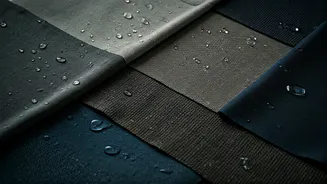






Why Fabric Is Your First Line of Defence
During the monsoon, your clothing has two main enemies: relentless humidity and sudden rain. The wrong material can turn into a heavy, clingy mess that takes hours to dry and can even lead to skin irritation. The right fabric, however, acts as your personal
climate control. The goal is to choose materials that are breathable, allowing sweat to evaporate, and quick-drying, so an unexpected splash doesn't ruin your day. Fabrics that manage moisture well prevent that sticky, uncomfortable feeling and help you stay fresh from your morning commute to your evening plans.
The Monsoon Fabric Hall of Fame
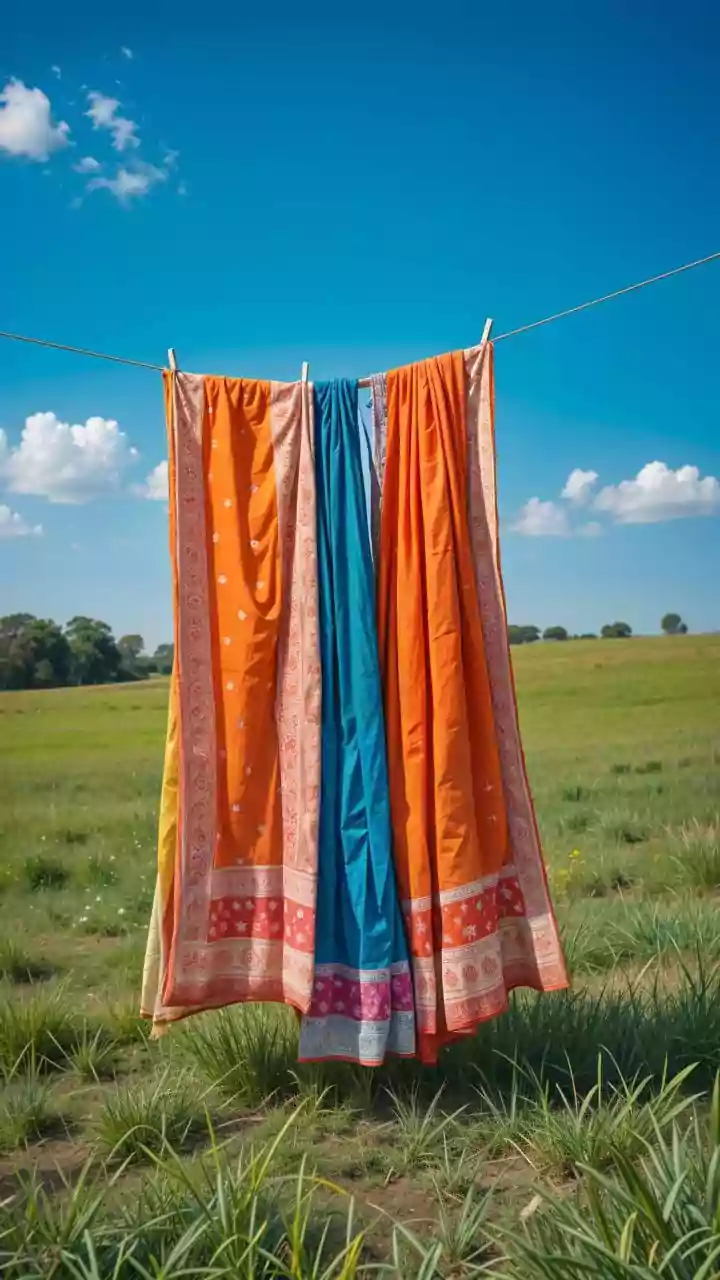
Building a monsoon-proof wardrobe is easy when you know which materials to look for. Lightweight cotton, a classic choice, is celebrated for its breathability, which helps keep you cool. However, it's best to opt for finer cottons or cotton blends, as heavy cotton can absorb a lot of water and dry slowly. Linen is another champion, prized for its exceptional breathability and ability to dry even faster than cotton. Rayon offers a silky feel and drapes beautifully without clinging when damp, making it an excellent choice for dresses and blouses. For Indian wear, fabrics like Chanderi (a cotton-silk blend) provide an elegant, breathable option for semi-formal occasions, while synthetic georgette and crepe are praised for their quick-dry properties and resistance to wrinkling when wet.
Fabrics to Leave in the Wardrobe
Just as important as knowing what to wear is knowing what to avoid. Heavy denim is a top offender; it becomes incredibly heavy when wet and can take a full day to dry in high humidity. Pure, heavy silk is another material to sideline, as it can develop permanent water spots and holds moisture for hours. While synthetics like polyester are quick-drying, many non-performance versions are not breathable and can trap heat and sweat against your skin, making you feel sticky and uncomfortable in the humidity. Other materials to skip include leather, which can be ruined by moisture and mould, and wool, which gets heavy and loses its shape when damp.
Beyond the Material: Smart Monsoon Styling
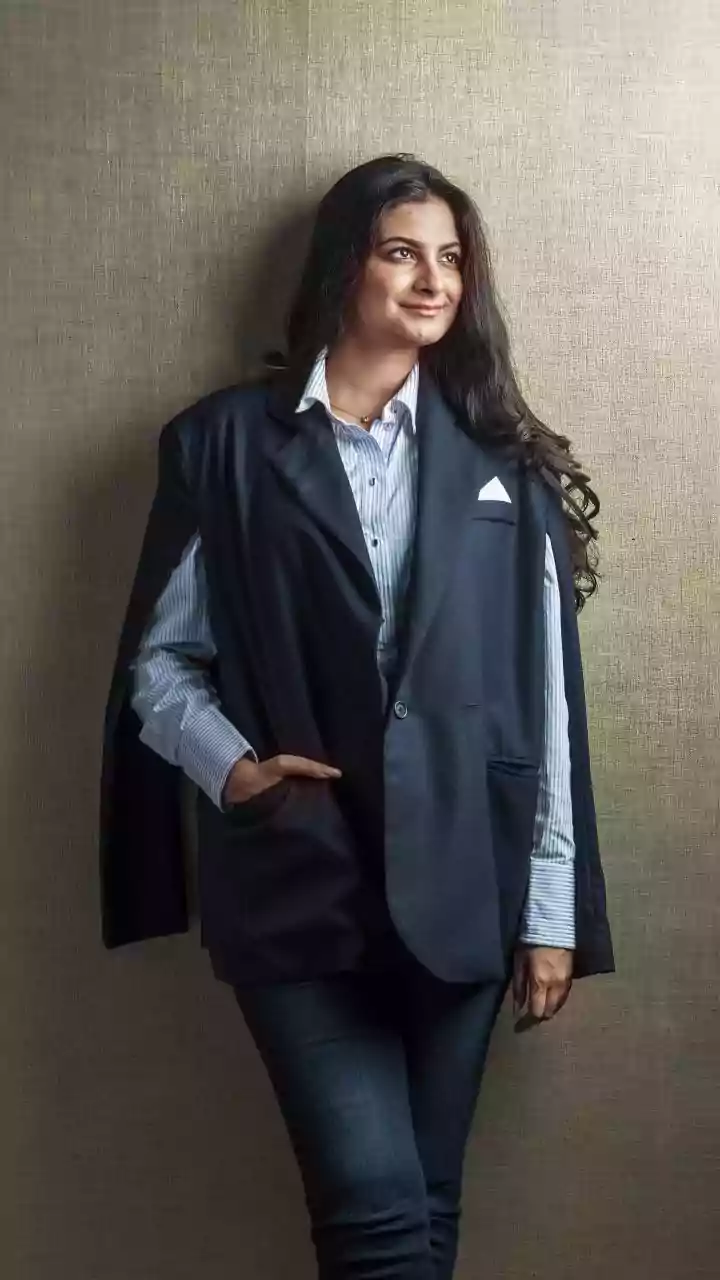
Once you've got your fabrics sorted, a few styling tricks can further enhance your comfort. Opt for relaxed, airy silhouettes like A-line dresses and straight-cut shirts that allow for better air circulation and don't stick to the body. Shorter hemlines for pants, skirts, and kurtas are practical for navigating puddles and splashes. While light colours can feel fresh, they may also become transparent when wet, so vibrant hues and prints are often a safer and more cheerful choice that can also help camouflage mud splashes. Finally, smart layering with a light, water-resistant jacket or a cotton scarf can provide protection from a sudden drizzle without adding bulk or heat.