



What is Horse Gram?
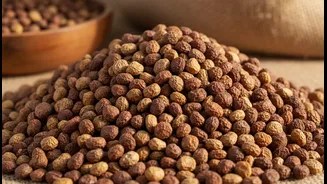
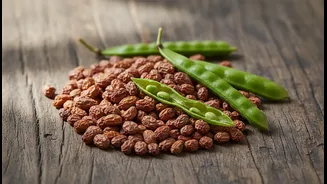
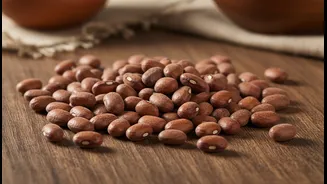
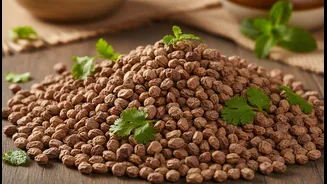
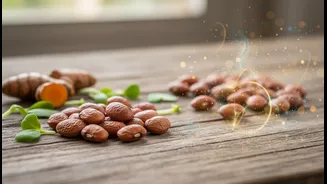
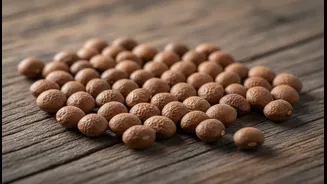
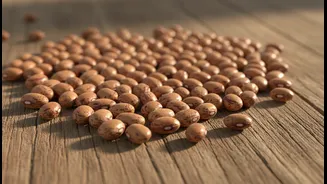
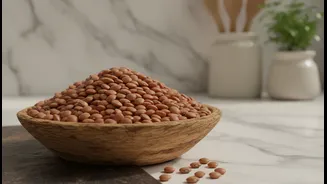
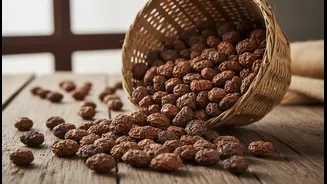
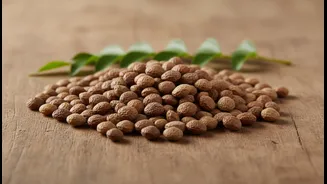
Horse gram, known regionally as kulthi, hurali, or kollu, is a small but mighty lentil that has been cultivated in India for thousands of years. It has a distinctive reddish-brown colour and a robust, earthy flavour. Historically, this resilient crop
was valued for its ability to thrive in arid conditions where other plants might fail, making it a reliable food source. Its English name comes from its traditional use as a high-energy feed for horses and cattle, a testament to its powerful nutritional profile. While it may not be as common as toor or moong dal in modern pantries, horse gram is a cherished ingredient in many regional cuisines, from Karnataka's 'hurali saaru' to the warming 'kollu rasam' of Tamil Nadu.
A Nutritional Powerhouse
The primary reason for horse gram's resurgence is its exceptional nutritional value. It is one of the most protein-rich lentils available, with various sources stating it contains around 22 grams of protein per 100 grams. This makes it an excellent plant-based protein source, crucial for muscle repair, energy, and overall health. Beyond protein, horse gram is packed with dietary fibre, which aids digestion and promotes a feeling of fullness. It is also a significant source of essential minerals, boasting higher levels of calcium and iron than many other pulses. In fact, it has the highest calcium content among common pulses, making it beneficial for bone health.
Preparing Horse Gram for Cooking
Unlike softer lentils, horse gram has a tough outer skin and requires some preparation to ensure it's tender and easy to digest. Soaking is the most important step. It is highly recommended to soak the lentils overnight, or for at least 6-8 hours, before cooking. This process not only dramatically reduces cooking time but also helps to break down compounds like phytic acid, making the nutrients more available for absorption and reducing the potential for bloating. After soaking, discard the water, rinse the lentils, and they are ready for the pressure cooker. A pressure cooker is the ideal tool for cooking horse gram, as it needs a significant amount of time—often 30-40 minutes on low heat after the first whistle—to become soft and mashable.
Easy Ways to Add Variety
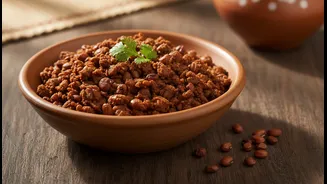
Incorporating horse gram into your weekly menu is simpler than you might think. Its earthy flavour pairs beautifully with bold spices like cumin, garlic, tamarind, and black pepper. Here are a few ideas: Hearty Dal: Prepare a simple 'kulthi dal' as you would any other dal. After pressure cooking, temper it with mustard seeds, cumin, garlic, and curry leaves for a deeply flavourful and comforting dish that goes perfectly with steamed rice or roti. Nourishing Soup (Rasam): Use the water from boiling horse gram as a base for a nutritious 'rasam'. Season the liquid with tamarind, pepper, and garlic for a classic South Indian soup that is traditionally used to combat colds and aid digestion. Sprouted Salad: Sprouting horse gram enhances its nutritional profile and gives it a wonderful crunch. Toss the sprouts with chopped onion, tomato, cucumber, and a squeeze of lemon juice for a refreshing and protein-packed salad. Flour Power: You can also find horse gram flour, which can be mixed into dosa or idli batter, or added to multigrain atta to boost the protein content of your daily rotis.
Buying and Storing Tips
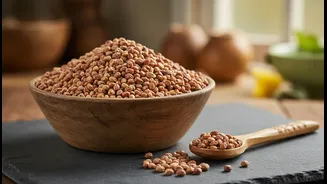
Horse gram is increasingly available in Indian grocery stores and online. Look for small, uniformly coloured lentils that are free from dust or debris. Because of their hard exterior, they have a long shelf life. Store them in a cool, dark place in an airtight container, just as you would any other dried pulse. They will keep well for many months, making it easy to have this nutritional giant on hand whenever you need a wholesome meal.