






The Fundamental Difference: Impact
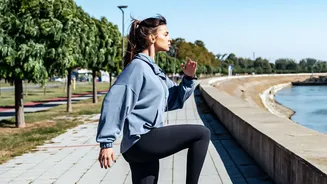
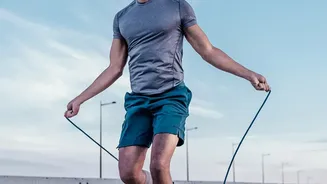
The primary distinction between walking and skipping comes down to impact. Walking is a low-impact exercise, meaning one foot is always in contact with the ground. This creates a smooth, rolling motion that is gentle on the body. Skipping, by definition,
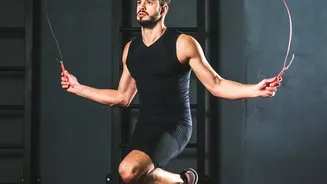
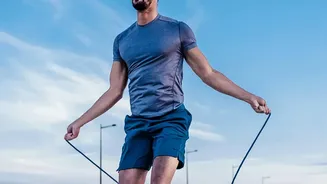
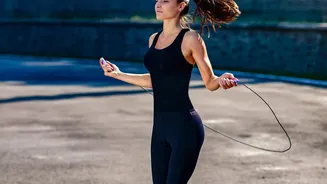
is a high-impact activity because it involves a period where both feet are off the ground, followed by a landing. While this sounds harsh, the way you land makes a huge difference. Proper skipping form involves staying on the balls of your feet and using your calf muscles as shock absorbers, which can mitigate some of the stress. However, the force is inherently greater than that of walking.
A Closer Look at Joint Stress
For those with healthy joints, the moderate impact from skipping can be beneficial, helping to build bone density. However, for individuals with pre-existing joint pain, arthritis, or injuries, this repetitive impact can be problematic. Walking, on the other hand, is frequently recommended for people with joint issues. It helps lubricate the joints by circulating synovial fluid and strengthens the supporting muscles around the knees and hips without subjecting them to excessive strain. Studies have even shown that skipping can create less stress on the knee joint than running, but walking remains the undisputed champion for low-impact movement.
Calorie Burn and Cardiovascular Intensity
If your goal is to maximise calorie burn in a short amount of time, skipping is the clear winner. As a high-intensity activity, it elevates your heart rate much more quickly than walking. A 10-minute session of moderate skipping can burn significantly more calories than a 10-minute brisk walk. Some estimates suggest skipping can burn roughly 200 calories in just 10 minutes. However, consistency is key. While skipping is more efficient per minute, many people can walk for much longer periods—such as 30 to 60 minutes—which can lead to a greater total calorie burn for the entire session.
Muscle Engagement and Coordination
Walking primarily engages the muscles of the lower body, including your glutes, hamstrings, and quadriceps. Pumping your arms can also provide a mild upper body workout. Skipping offers a more comprehensive, full body workout. It heavily engages your calves, works your core for stabilization, and uses your shoulders and arms to turn the rope. Furthermore, skipping is excellent for developing coordination, balance, and rhythm, as it requires your hands, feet, and eyes to all work in sync. This makes it a popular training tool for athletes in sports like boxing and tennis.
Who Should Walk?
Walking is the ideal choice for nearly everyone, from beginners to seasoned athletes on a recovery day. It is especially beneficial for individuals with arthritis, joint pain, or those who are overweight and want to start an exercise program without placing undue stress on their bodies. It's a sustainable, accessible, and highly effective way to improve cardiovascular health, support joint function, and maintain a healthy weight over the long term. The key is consistency and aiming for a brisk pace that gets your heart rate up.
Who Should Skip?
Skipping is best for individuals with healthy joints who are looking for a high intensity workout to boost their cardiovascular fitness , burn calories efficiently , and improve coordination . It can be a fun and effective way to incorporate high intensity interval training (HIIT) into your routine . If you 're new to skipping , it 's crucial to start slow—perhaps with intervals of 30 to 60 seconds—and focus on proper form to minimise joint impact . It can be a fantastic addition to a well rounded fitness plan , but it 's not typically recommended as a primary exercise for those with joint sensitivities .